Newsroom
Plastic Water Bottles—How They Impact Our Environment
Plastic Water Bottles—How They Impact Our Environment
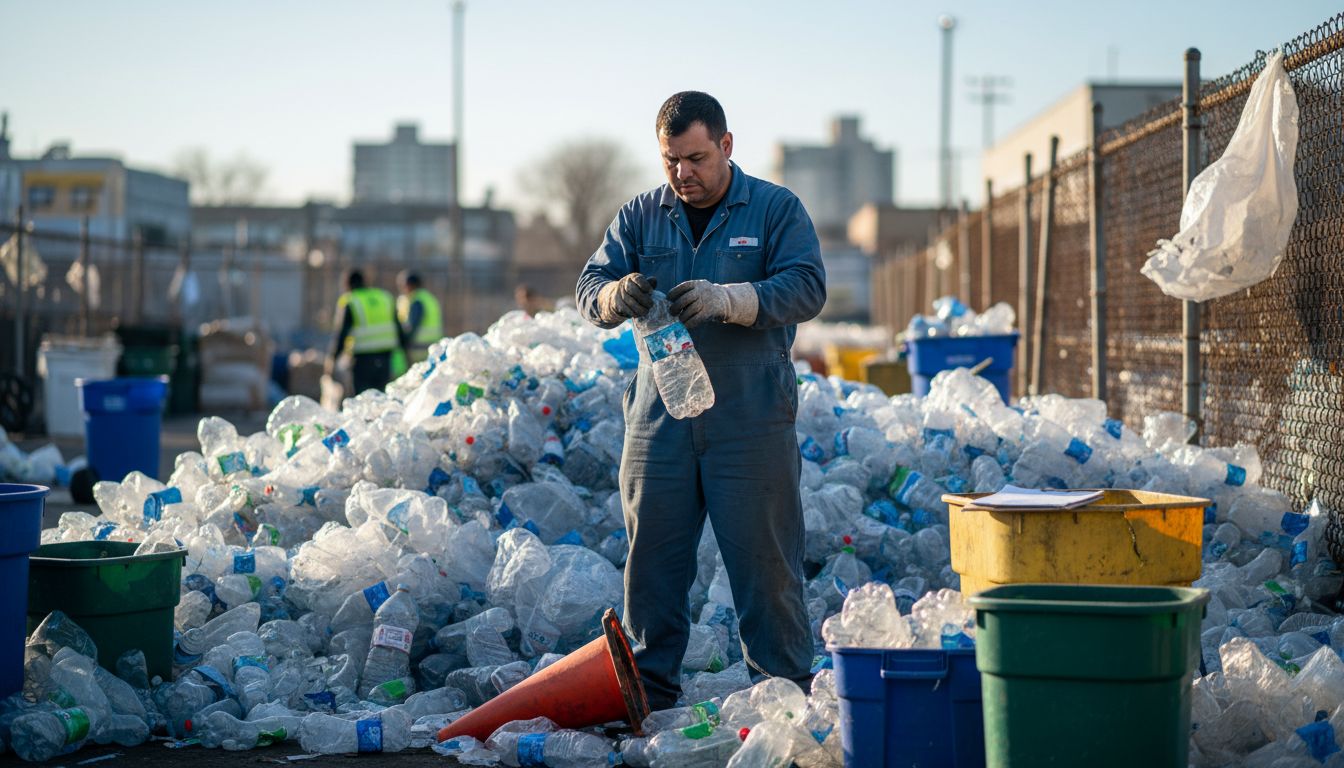
Every American encounters plastic water bottles in daily life, yet few realize the staggering impact behind this simple convenience. The world now produces over 500 billion plastic water bottles each year, signaling both a shift in modern habits and a growing environmental crisis. From pollution concerns to hidden threats like microplastics, understanding the full journey of these bottles sheds light on challenges and opportunities for more sustainable choices.
Table of Contents
- Defining Plastic Water Bottles And Their Use
- Environmental Pollution From Production To Disposal
- Microplastics And Threats To Ecosystems
- Business Liability And Waste Management Costs
- Sustainable Alternatives For Foodservice Providers
Key Takeaways
| Point | Details |
|---|---|
| Plastic Water Bottles Are Ubiquitous | Over 500 billion plastic water bottles are produced annually, serving as a critical solution for convenient drinking water worldwide. |
| Environmental Impact Is Significant | The long decomposition time of plastic bottles poses serious environmental challenges, with most remaining in ecosystems for centuries. |
| Microplastics Threaten Ecosystems | Microplastics from bottled water contaminate drinking supplies and disrupt marine life, creating a challenging ecological threat. |
| Corporate Responsibility Is Essential | Major corporations face increasing pressures to manage plastic waste responsibly, which includes adapting sustainable practices and complying with regulations. |
Defining Plastic Water Bottles And Their Use
Plastic water bottles represent a ubiquitous modern packaging solution designed for portable liquid transportation and consumption. These containers, typically manufactured from polyethylene terephthalate (PET), have become a global phenomenon driven by convenience and perceived safety. The global consumption of plastic water bottles has reached alarming levels, with over 500 billion units produced annually, highlighting their widespread adoption across different economic and social contexts.
Manufactured through complex industrial processes, these bottles serve multiple purposes beyond simple hydration. They provide sterile, portable water solutions for consumers in regions with limited infrastructure, emergency scenarios, sporting events, and daily personal hydration needs. Their lightweight design, durability, and low production costs have made them a preferred packaging choice for beverage companies worldwide.
However, the convenience of plastic water bottles comes with significant environmental consequences. Plastic water bottles are widely used for their convenience in providing portable drinking water, but their extensive use has raised substantial environmental concerns due to the material’s long decomposition time. Most plastic water bottles require approximately 450 years to fully decompose, creating persistent waste challenges in landfills, oceans, and natural ecosystems. This prolonged breakdown period means that virtually every plastic water bottle ever produced still exists in some form today, presenting a critical sustainability challenge for global waste management systems.
Key characteristics of plastic water bottles include:
- Lightweight and portable design
- Typically made from PET (polyethylene terephthalate)
- Single use or limited reuse potential
- Transparent or translucent appearance
- Widely available across global markets
- Low manufacturing cost
- Convenient liquid transportation mechanism
Environmental Pollution From Production To Disposal
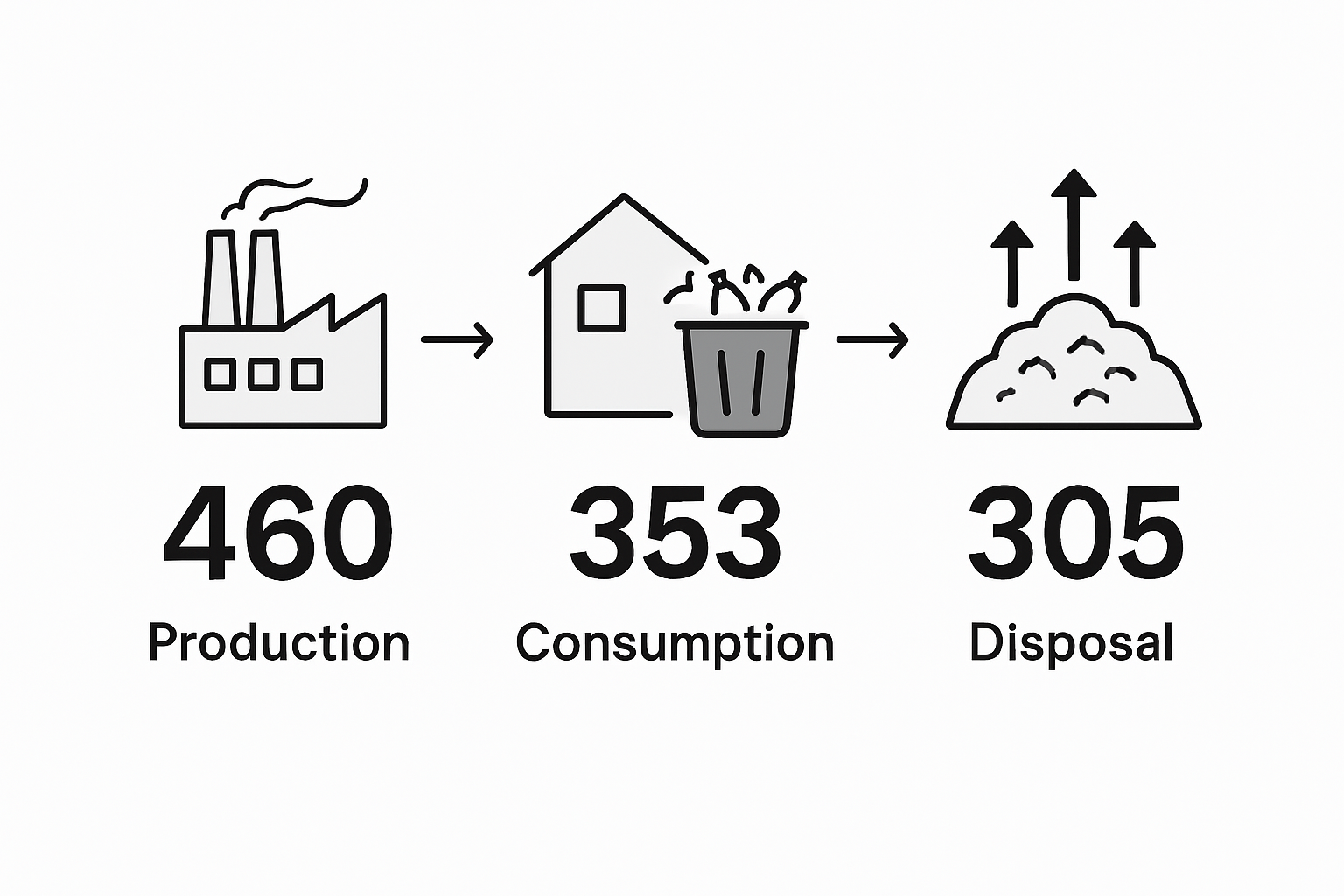
Plastic water bottle production represents a complex industrial process with significant environmental implications. The lifecycle of PET plastic water bottles contributes dramatically to environmental pollution through extensive energy consumption and greenhouse gas emissions, creating a substantial ecological footprint from the moment raw materials are extracted to their eventual disposal.
Manufacturing processes generate substantial pollution across multiple environmental domains. Plastic production and recycling release numerous pollutants that contaminate air, water, and soil systems, creating cascading negative impacts on ecological balance. The extraction of petroleum-based materials, energy-intensive manufacturing, and transportation of plastic water bottles all contribute to carbon emissions and climate change.
The disposal stage presents equally significant environmental challenges. Most plastic water bottles end up in landfills, oceans, or incineration facilities, each disposal method presenting unique ecological risks. Landfill accumulation leads to long-term soil and groundwater contamination, while incineration releases toxic chemicals into the atmosphere. Oceanic disposal creates devastating marine ecosystem disruptions, with microplastics entering food chains and causing widespread environmental degradation.
Key environmental pollution stages include:
- Raw material extraction
- Manufacturing energy consumption
- Transportation emissions
- Packaging production
- Distribution processes
- Waste management and disposal
- Long-term ecological contamination
The environmental impact of plastic water bottles extends far beyond their brief moment of utility, representing a complex and persistent ecological challenge that requires comprehensive global intervention.
Microplastics And Threats To Ecosystems
Microplastics represent an increasingly alarming environmental threat emerging from plastic water bottle pollution. A comprehensive study analyzing over 250 bottled water samples from 11 brands across nine countries discovered that more than 90% contained microplastic particles, averaging 10.4 particles per liter, revealing the pervasive contamination of our drinking water supply.
These microscopic plastic fragments pose significant risks to global ecosystems, particularly marine environments. Research has uncovered alarming microplastic concentrations in major European rivers, with samples showing up to 100 micrograms of microplastics per cubic meter. These tiny particles act as potent environmental toxins, disrupting delicate ecological balances and introducing complex contamination pathways.
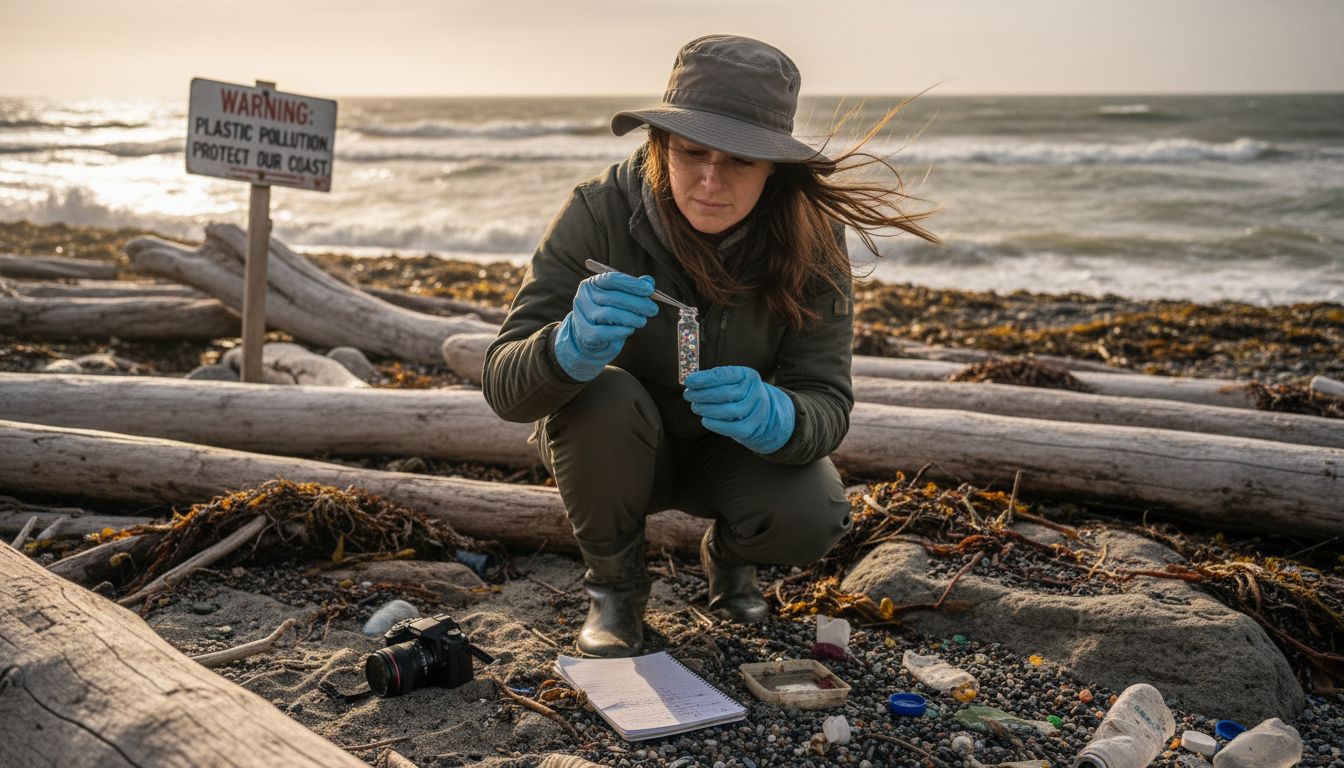
Microplastics enter ecosystems through multiple mechanisms, including direct water bottle disposal, fragmentation of larger plastic materials, and industrial manufacturing processes. Once introduced, these particles can travel through food chains, accumulate in biological tissues, and potentially transfer toxic chemicals. Marine organisms frequently mistake microplastics for food, leading to physiological damage, reproductive challenges, and potential species extinction.
Key ecosystem threats from microplastics include:
- Bioaccumulation in marine food chains
- Disruption of reproductive systems
- Potential genetic mutations
- Compromise of immune system functions
- Introduction of toxic chemical carriers
- Reduction of biodiversity
- Long-term ecological destabilization
Understanding and mitigating microplastic pollution requires comprehensive global strategies addressing production, consumption, and waste management practices across multiple industries and economic sectors.
Business Liability And Waste Management Costs
Corporate plastic waste has emerged as a critical financial and environmental challenge for businesses worldwide. A global study revealed The Coca-Cola Company as the largest contributor to branded plastic waste, responsible for 11% of such pollution, highlighting the substantial economic and regulatory risks facing major corporations in managing their environmental footprint.
Waste management expenses are rapidly becoming a significant line item for corporate budgets. Companies now face mounting pressures from regulatory bodies, environmental organizations, and consumer advocacy groups to develop comprehensive waste reduction strategies. These escalating costs include waste collection, processing, recycling infrastructure, compliance monitoring, potential legal penalties, and reputation management associated with environmental impact.
Scientists have issued urgent warnings about the severe health and environmental impacts of plastic pollution, compelling businesses to proactively address their roles in plastic production and waste management. The financial implications extend beyond direct waste management expenses, encompassing potential litigation risks, regulatory fines, brand reputation damage, and mandatory investments in sustainable alternatives.
Key business liability considerations include:
- Compliance with environmental regulations
- Potential legal penalties for excessive waste
- Cost of implementing sustainable practices
- Reputation management expenses
- Infrastructure redesign investments
- Environmental remediation responsibilities
- Consumer perception and market positioning
Successful navigation of these challenges requires strategic planning, significant financial investment, and a genuine commitment to sustainable business practices.
Sustainable Alternatives For Foodservice Providers
Innovative waste management technologies are transforming how foodservice providers approach plastic consumption. Emerging research into high-entropy oxide catalysts has demonstrated promising potential for simultaneously degrading plastic waste and producing hydrogen fuel, offering a groundbreaking approach to environmental sustainability in the food industry.
Foodservice providers now have multiple strategies for reducing plastic water bottle dependence. Low plastic water bottles have been developed to decrease environmental impact, utilizing thinner plastic while maintaining the same internal volume. These innovations represent critical steps toward reducing plastic waste, allowing businesses to maintain product functionality while minimizing ecological footprints.
The transition to sustainable alternatives requires a comprehensive approach that goes beyond simple material substitution. Successful foodservice providers are implementing multi-faceted strategies that include reducing overall plastic consumption, investing in recyclable materials, implementing robust recycling programs, and educating consumers about environmental responsibility. These approaches not only mitigate environmental damage but also enhance brand reputation and appeal to environmentally conscious customers.
Key sustainable alternatives for foodservice providers include:
- Reusable water container systems
- Biodegradable packaging materials
- Refill station implementations
- Lightweight plastic reduction technologies
- Water filtration and dispensing solutions
- Compostable serving containers
- Closed-loop recycling programs
Navigating this transition demands strategic investment, innovative thinking, and a genuine commitment to environmental stewardship across all operational levels.
Take Action Against Plastic Water Bottle Pollution with Sustainable Alternatives
The widespread use of plastic water bottles creates lasting environmental damage and contributes to microplastic pollution that threatens ecosystems worldwide. If you are committed to reducing single-use plastic waste and protecting our planet’s fragile balance consider sustainable alternatives in your foodservice or hospitality business. Switching to reusable products made from natural materials can significantly lower your ecological footprint while meeting growing consumer demand for eco-friendly solutions.
Explore durable and biodegradable options like the innovative wood and plant-based straws available at TheOceanStraw.com. These products align perfectly with your sustainability goals by replacing harmful plastics and enhancing your brand’s environmental responsibility. Visit TheOceanStraw.com to learn how to integrate premium reusable straws into your operations now and join the global movement to combat plastic pollution effectively.
Frequently Asked Questions
What are plastic water bottles made of?
Plastic water bottles are typically made from polyethylene terephthalate (PET), which is a type of polyester. This material is lightweight, durable, and has low production costs.
How long does it take for plastic water bottles to decompose?
Plastic water bottles can take approximately 450 years to fully decompose, contributing to long-lasting waste challenges in landfills and natural ecosystems.
What environmental impacts are associated with the production of plastic water bottles?
The production of plastic water bottles involves significant energy consumption, greenhouse gas emissions, and pollution of air, water, and soil, contributing to a substantial ecological footprint.
What are microplastics and why are they a concern related to plastic water bottles?
Microplastics are tiny plastic particles that can emerge from plastic water bottle pollution. They pose serious risks to ecosystems by disrupting food chains, contaminating water sources, and impacting marine life.
Recommended
- Plastic Water Bottles: Complete Guide to Environmental Impact – The Ocean Straw
- Understanding Environmental Damage Created by Plastic – The Ocean Straw
- Understanding the Effects of Plastic on Environment – The Ocean Straw
- Plastic Pollution Environmental Impact: Complete Guide – The Ocean Straw
- Why Invest in Water Purifiers: Understanding Benefits - Coway Water Purifier