Newsroom
Understanding What is Waste Diversion for Businesses
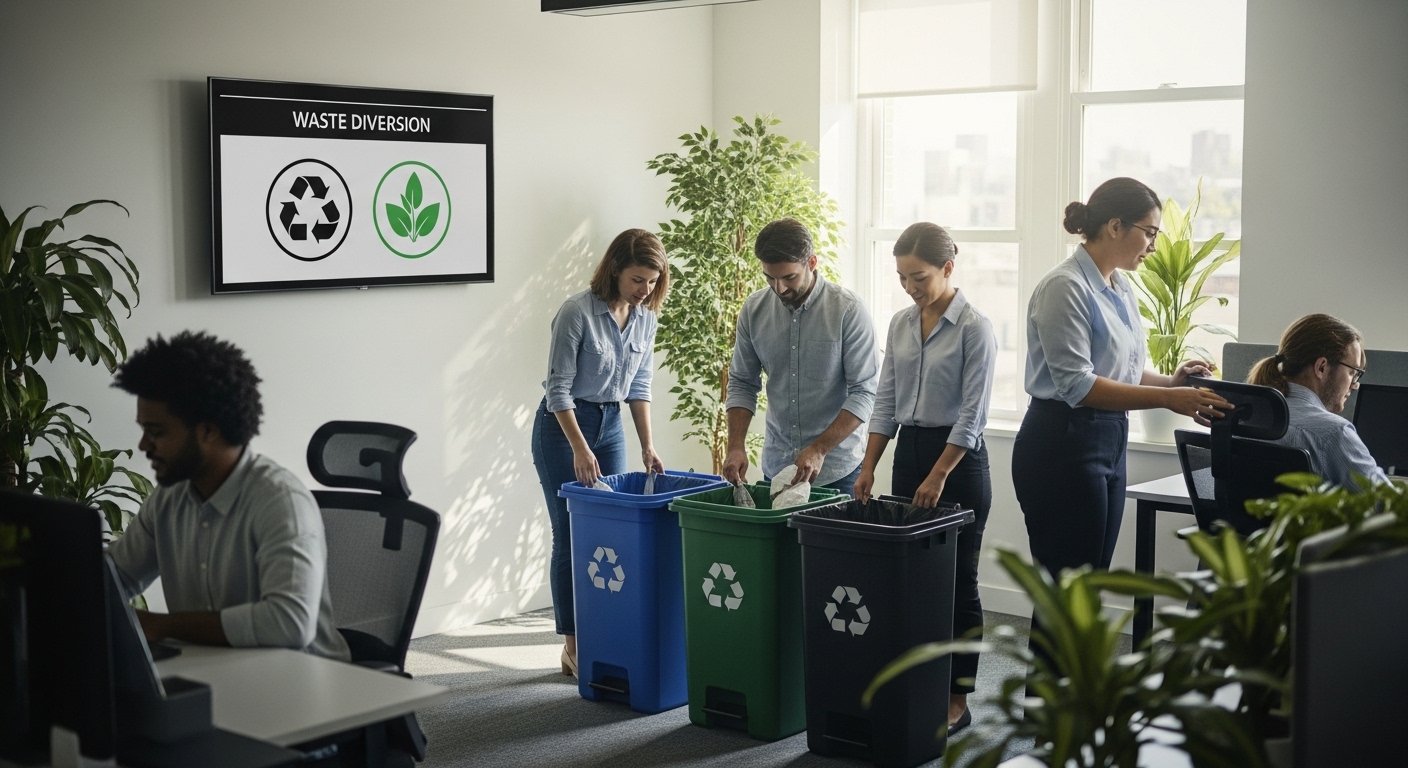
Understanding What is Waste Diversion for Businesses
Waste is piling up fast and every year the world sends over 2 billion tons of waste to landfills. Most people think tossing things in the trash is a dead end for their garbage. But some businesses are flipping the script by treating waste as an opportunity and finding ways to turn trash into valuable resources.
Table of Contents
- Defining Waste Diversion: Key Concepts And Terms
- The Importance Of Waste Diversion In Hospitality
- How Waste Diversion Works: Processes And Methods
- Real-World Applications: Success Stories In Waste Diversion
- Challenges And Opportunities In Waste Diversion Practices
Quick Summary
| Takeaway | Explanation |
|---|---|
| Waste diversion minimizes landfill waste | Redirect waste away from landfills through recycling, composting, and reusing materials. |
| Proactive waste management creates cost savings | Effective waste diversion can lead to decreased disposal costs and improved operational efficiency. |
| Hospitality industry can benefit significantly | The hospitality sector generates large amounts of waste, making waste diversion essential for sustainability and profitability. |
| Comprehensive waste sorting is critical | Proper classification of waste streams maximizes recovery and minimizes environmental impact. |
| Innovative processing techniques enhance resource recovery | Advanced methods like upcycling and mechanical processing turn potential waste into valuable resources. |
Defining Waste Diversion: Key Concepts and Terms
Waste diversion represents a strategic environmental approach designed to redirect solid waste from traditional disposal methods like landfills and incineration toward more sustainable management practices. Understanding what is waste diversion requires examining its core principles and transformative potential for businesses seeking responsible waste management strategies.
Understanding the Fundamental Concept
At its essence, waste diversion represents a proactive methodology for minimizing waste generation and redirecting materials away from final disposal sites.
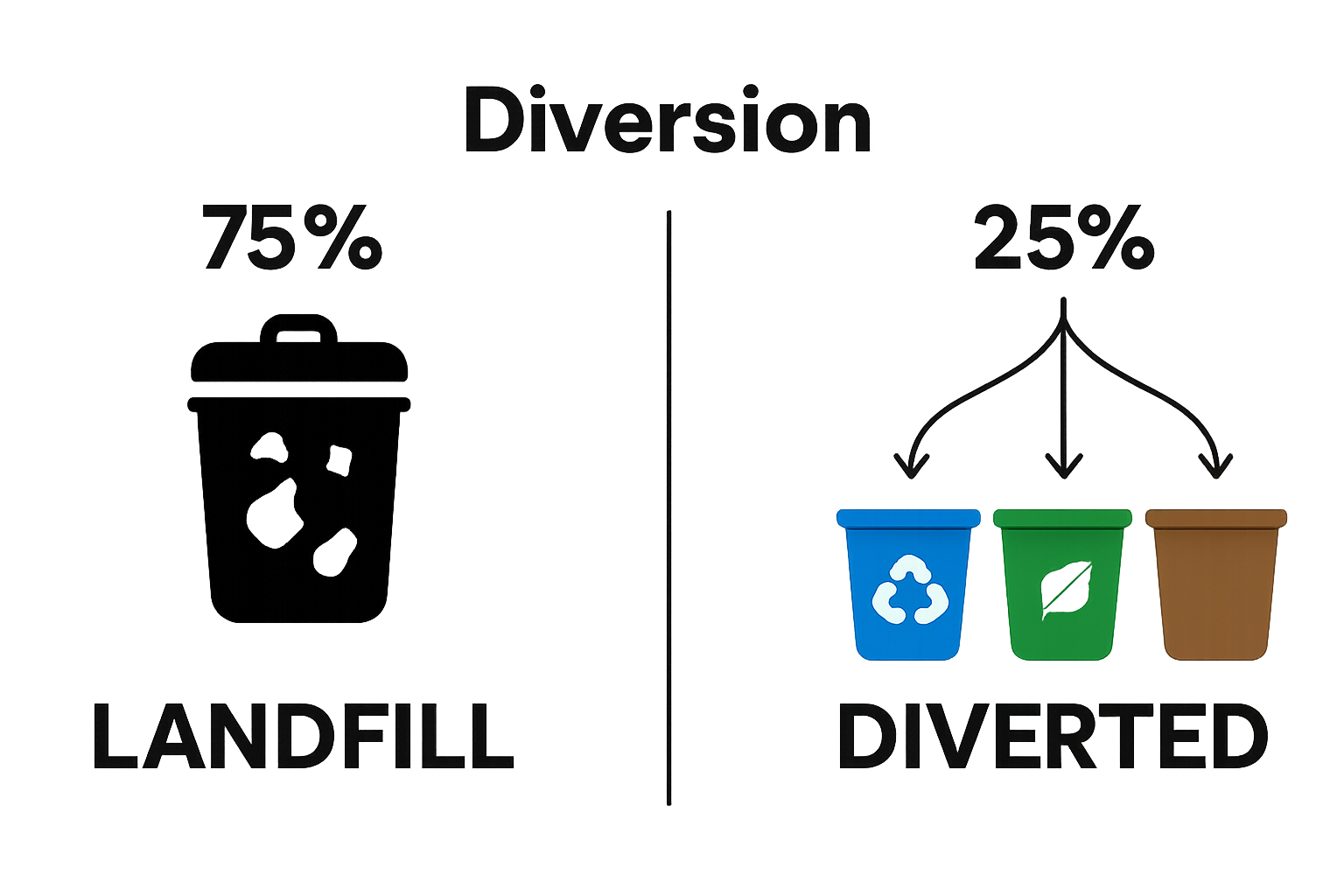 The U.S. Environmental Protection Agency defines this process as systematically reducing solid waste through multiple targeted strategies:
- Source reduction of material consumption
- Recycling existing materials
- Reusing products and components
- Composting organic waste streams
Businesses implementing waste diversion strategies effectively transform their waste management from a linear disposal model to a circular resource management approach. This shift not only reduces environmental impact but also creates potential economic opportunities through material recovery and resource optimization.
Below is a table organizing common waste diversion processes and the materials they target, providing a clear overview of how businesses can systematically manage different waste streams.
| Diversion Process | Target Materials | Description |
|---|---|---|
| Source Reduction | All materials | Minimizing material use at its origin to prevent waste creation |
| Recycling | Paper, plastic, metal, glass | Processing used items into new products |
| Reuse | Products and components | Repurposing items without reprocessing |
| Composting | Organic waste (food, yard trimmings) | Biological decomposition returning nutrients to soil |
| Mechanical Processing | Plastics, metals, other solid materials | Breaking down and reshaping materials for further use |
| Chemical Recycling | Plastics, select chemicals | Converting waste to base chemicals or fuels |
| Upcycling | Various materials (e.g., fabric, plastics) | Creating higher-value products from waste materials |
| Waste-to-Energy | Non-recyclable, non-compostable waste | Converting waste into usable energy (electricity or heat) |
Economic and Environmental Benefits
Waste diversion delivers significant advantages beyond simple waste reduction.
Organizations adopting comprehensive waste diversion programs can experience multiple benefits:
- Decreased disposal costs
- Reduced environmental footprint
- Enhanced corporate sustainability credentials
- Potential revenue generation from recycled materials
- Compliance with increasingly stringent environmental regulations
By reimagining waste as a potential resource rather than a disposal challenge, businesses can unlock innovative solutions that simultaneously address environmental concerns and operational efficiency. Waste diversion transforms traditional waste management from a cost center into a strategic organizational capability with measurable economic and ecological returns.
The Importance of Waste Diversion in Hospitality
The hospitality industry generates substantial waste streams across multiple operational segments, making waste diversion a critical strategy for environmental sustainability and economic efficiency. Hotels, restaurants, and catering services produce significant volumes of organic, packaging, and single-use materials that require strategic management to minimize environmental impact.
Operational Waste Challenges in Hospitality
Hospitality businesses encounter unique waste management challenges due to their high-volume consumption patterns and diverse waste categories. The United Nations Development Programme highlights the substantial environmental implications of unmanaged waste in this sector:
- High food waste generation from buffets and dining services
- Significant packaging and single-use material consumption
- Complex waste streams requiring specialized sorting techniques
- Seasonal fluctuations in waste production
These challenges underscore the necessity of implementing comprehensive waste diversion strategies that address both environmental sustainability and operational efficiency.
Strategic Benefits of Waste Diversion
Waste diversion offers hospitality businesses multiple strategic advantages beyond environmental responsibility. By transforming waste management from a cost center to a value-generating approach, organizations can:
- Reduce operational disposal expenses
- Enhance corporate sustainability credentials
- Attract environmentally conscious customers
- Create potential revenue streams from recycled materials
- Demonstrate corporate social responsibility
Successful waste diversion requires a holistic approach that integrates waste reduction, recycling, composting, and innovative resource management techniques. Hospitality businesses that proactively address waste challenges can differentiate themselves in an increasingly competitive and environmentally aware market.
How Waste Diversion Works: Processes and Methods
Waste diversion is a complex systematic approach that transforms traditional waste management through strategic interventions and innovative processing techniques. By implementing targeted methodologies, businesses can effectively redirect waste materials from landfills and create value through resource recovery and sustainable practices.
Waste Sorting and Classification
The Environmental Protection Agency emphasizes the critical first step of waste diversion: comprehensive waste sorting and classification. This process involves systematically separating waste streams into distinct categories that can be processed, recycled, or repurposed:
- Organic waste for composting
- Recyclable materials like paper, plastic, and metal
- Electronic waste requiring specialized processing
- Hazardous materials needing controlled disposal
- Reusable items for potential restoration
Precise sorting enables businesses to maximize material recovery and minimize environmental impact by ensuring each waste stream receives appropriate treatment.

Waste Processing and Transformation Techniques
Waste diversion employs multiple advanced processing techniques to convert potential waste into valuable resources. These methods go beyond traditional recycling by creating innovative pathways for material reuse:
- Mechanical processing to break down and reshape materials
- Biological treatment of organic waste through composting
- Energy recovery through waste-to-energy technologies
- Chemical recycling that transforms materials into base components
- Upcycling processes that convert waste into higher-value products
By implementing these sophisticated transformation techniques, businesses can turn waste from a potential environmental liability into a strategic resource management opportunity. Effective waste diversion requires a holistic approach that combines technological innovation, operational expertise, and environmental consciousness.
Real-World Applications: Success Stories in Waste Diversion
Waste diversion strategies have transformed numerous industries by demonstrating the powerful intersection of environmental responsibility and economic innovation. Organizations across various sectors have successfully implemented waste reduction programs that generate significant financial and ecological benefits.
Corporate Waste Reduction Achievements
The United States Environmental Protection Agency highlights remarkable waste diversion success stories that illustrate the potential of strategic waste management. Corporate initiatives have proven that systematic waste reduction can simultaneously address environmental concerns and generate substantial economic advantages:
- The U.S. Postal Service’s Western Area saved $44 million by reusing and redistributing equipment
- Diversion of 35,000 tons of waste from landfills through intelligent resource management
- Significant reduction in operational expenses through targeted waste strategies
- Enhanced organizational sustainability credentials
- Improved resource efficiency across multiple operational segments
These examples demonstrate how comprehensive waste diversion approaches can create tangible financial and environmental value for organizations willing to reimagine their waste management practices.
Industry-Specific Waste Transformation Strategies
Different industries have developed unique waste diversion approaches tailored to their specific operational contexts. Successful strategies often involve collaboration between businesses, local governments, and environmental organizations to create innovative waste management solutions:
- Food service sectors implementing advanced composting programs
- Manufacturing facilities developing closed-loop recycling systems
By treating waste as a potential resource rather than a disposal problem, organizations can unlock new opportunities for sustainability and economic efficiency. Waste diversion represents a transformative approach that goes beyond traditional waste management, offering a strategic pathway to more responsible and innovative business practices.
Challenges and Opportunities in Waste Diversion Practices
Waste diversion represents a complex landscape of environmental management where organizations navigate intricate challenges while simultaneously exploring innovative opportunities for sustainable resource utilization. Understanding these dynamics is crucial for businesses seeking to implement effective waste management strategies.
Operational and Infrastructural Barriers
The National Waste and Recycling Association identifies several critical challenges that businesses encounter when implementing comprehensive waste diversion programs:
- Limited technological infrastructure for advanced waste processing
- High initial investment costs for waste sorting and recycling equipment
- Complex regulatory compliance requirements
- Inconsistent waste stream compositions
- Lack of standardized waste management protocols across industries
These operational barriers often create significant obstacles for organizations attempting to develop robust waste diversion strategies, requiring strategic planning and innovative solutions to overcome institutional inertia.
Emerging Opportunities in Waste Management
Despite the challenges, waste diversion presents numerous strategic opportunities for forward-thinking businesses. Organizations can transform waste management from a cost center into a potential revenue stream and competitive advantage:
- Development of circular economy business models
- Creation of new revenue streams through material recycling
- Enhanced corporate sustainability credentials
- Potential for technological innovation in waste processing
- Reduced long-term operational expenses
Successful waste diversion requires a holistic approach that integrates technological innovation, strategic planning, and a commitment to environmental stewardship.
The table below summarizes primary operational and infrastructural challenges businesses face in waste diversion, alongside the emerging opportunities that can drive innovation and value creation in waste management.
| Challenge/Opportunity | Description |
|---|---|
| Limited Technological Infrastructure | Lack of advanced systems for sorting and processing waste |
| High Initial Investment Costs | Substantial expenses for equipment and implementation |
| Complex Regulatory Compliance | Challenging legal requirements for proper waste handling |
| Inconsistent Waste Stream Compositions | Variability in materials, complicating processing efforts |
| Lack of Standardized Protocols | Inconsistent methods across organizations and regions |
| Circular Economy Business Models | New frameworks for ongoing resource recovery |
| Revenue from Material Recycling | Potential to monetize recovered materials |
| Enhanced Sustainability Credentials | Improved reputation and regulatory alignment |
| Technological Innovation Potential | Development of new waste processing and management methods |
Drive Real Waste Diversion With Plant-Based Straws
Are you struggling to find practical ways to cut single-use plastics and support real waste diversion in your hospitality business? The article uncovered key pain points like high operational waste, challenges with switching to sustainable materials, and the urgent need for compostable solutions that actually support waste management goals. It is clear that businesses want to move away from landfill-heavy models toward true circular resource management while protecting their bottom line and reputation.
Make your waste diversion goals a reality by choosing natural alternatives that fit your operation. Our wood and plant-based compostable straws empower you to reduce disposal costs and prove your commitment to green business. Start with small, visible changes and see a big impact on both your brand and the environment. Ready to transform your approach to single-use items? Visit The Ocean Straw and discover how you can make the switch today. Take the next step toward sustainable operations and position your business as a leader in eco-friendly hospitality. Act now while your customers are looking for true change.
Frequently Asked Questions
What is the main purpose of waste diversion for businesses?
The main purpose of waste diversion for businesses is to systematically reduce solid waste by redirecting materials away from landfills through practices such as recycling, composting, and reuse, ultimately promoting sustainability and resource management.
What are some key methods used in waste diversion?
Key methods used in waste diversion include source reduction, recycling, reuse of materials, composting organic waste, and advanced processing techniques to transform potential waste into valuable resources.
What are the economic benefits of implementing waste diversion strategies?
Economic benefits of implementing waste diversion strategies include decreased disposal costs, potential revenue generation from recycled materials, enhanced corporate sustainability credentials, and compliance with stringent environmental regulations.
How can businesses in the hospitality sector benefit from waste diversion?
Businesses in the hospitality sector can benefit from waste diversion by reducing operational disposal expenses, attracting environmentally conscious customers, creating potential revenue streams from recycled materials, and differentiating themselves in a competitive market.