Newsroom
What is HoReCa? Key Insights for Hotels and Restaurants 2025
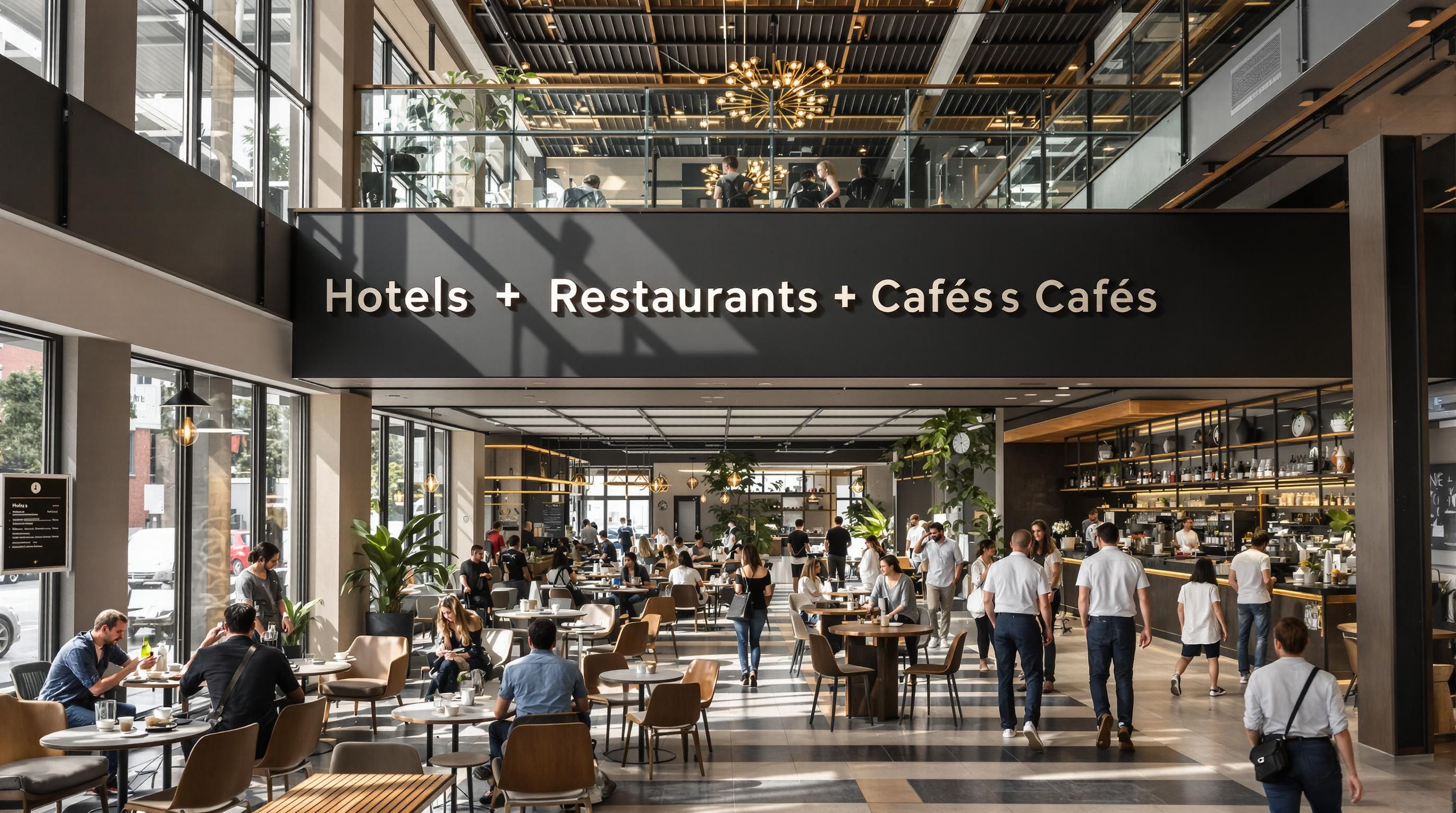
What is HoReCa? Key Insights for Hotels and Restaurants 2025
HoReCa might sound like industry jargon, but it stands for the connected world of hotels, restaurants, and cafes that shape our daily experiences. More surprising is that this sector is now at the center of a massive shift, with over 76 percent of major establishments already achieving sustainability standards in 2025. Most people think of HoReCa as just hospitality, but it has quietly turned into one of the fastest-evolving and most strategically vital industries—anyone in hospitality who overlooks this could miss the next wave of innovation.
Table of Contents
- Understanding The Meaning Of Horeca
- Horeca Industry Structure And Segments
- Why Horeca Matters For Hospitality Leaders
- Sustainable Practices Shaping Horeca In 2025
Quick Summary
| Takeaway | Explanation |
|---|---|
| Understand the HoReCa Ecosystem | HoReCa, an acronym for Hotels, Restaurants, and Cafes, encapsulates a complex industry vital for hospitality professionals. |
| Utilize Market Segmentation Strategies | Effective segmentation includes demographic, psychographic, and geographic factors to enhance customer targeting and service personalization. |
| Focus on Sustainability Practices | Sustainability is crucial; integrating environmental practices is now essential for competitive advantage in the HoReCa sector. |
| Recognize Interconnectedness of Segments | Each segment in the HoReCa industry relies on collaboration, requiring businesses to create integrated customer experiences. |
| Adapt to Evolving Consumer Expectations | Staying responsive to changing consumer behaviors and preferences is key for future-proofing hospitality operations. |
Understanding the Meaning of HoReCa
The hospitality industry operates with complex terminology that can often perplex newcomers. HoReCa represents a critical acronym that encapsulates an entire ecosystem of food service and hospitality businesses. This term goes beyond simple categorization and serves as a comprehensive descriptor for a dynamic commercial landscape.
Origins and Definition
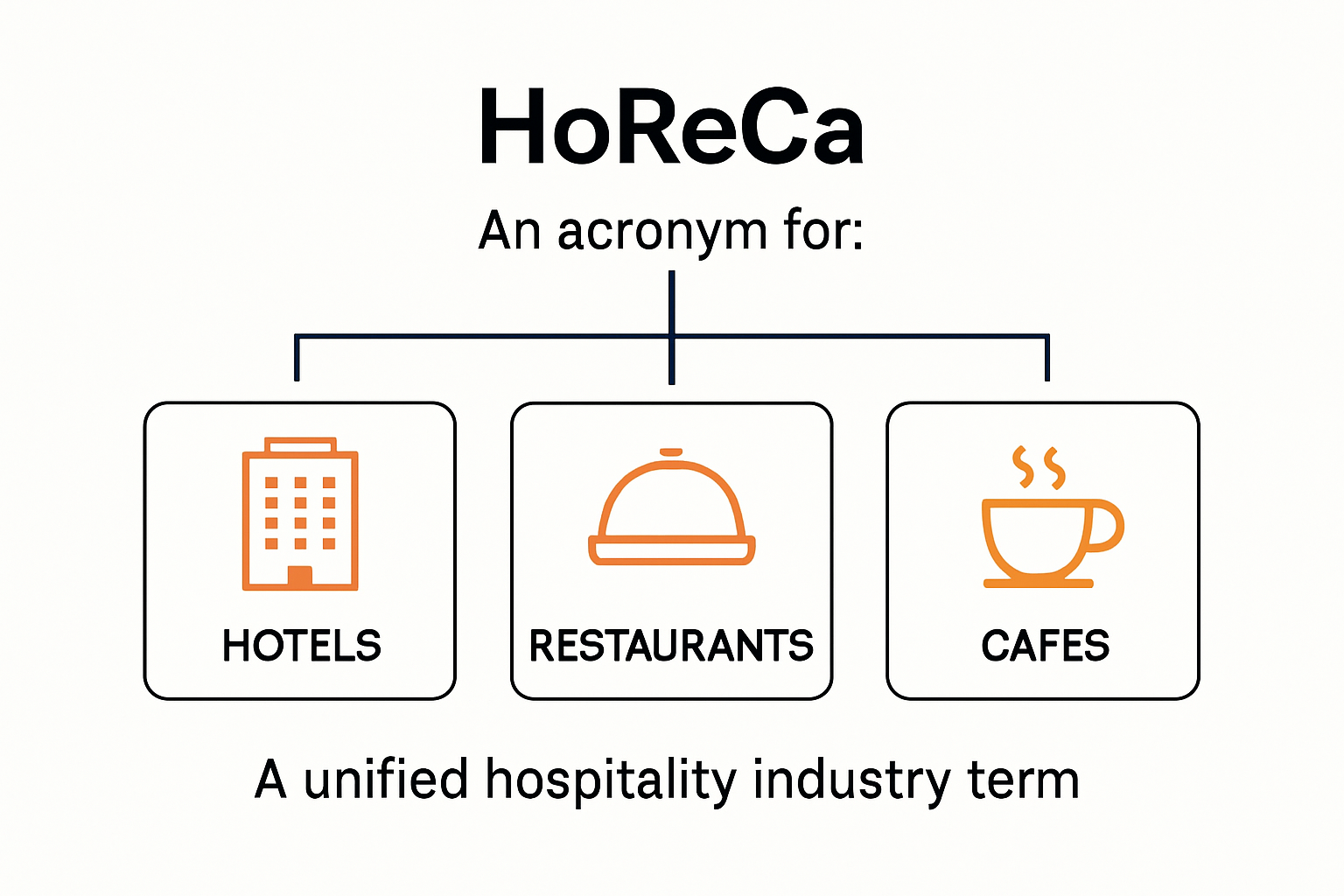
The term HoReCa is an ingenious acronym combining three fundamental sectors: Hotels, Restaurants, and Cafes. According to industry research, this acronym emerged as a practical way to collectively describe establishments involved in food service, accommodation, and beverage production. The term is particularly prevalent in European business contexts, providing a concise shorthand for professionals navigating the hospitality ecosystem.
Professionals in this sector recognize HoReCa as more than just a linguistic convenience. Research from hospitality industry experts indicates that the HoReCa channel encompasses commercial food establishments focused on producing and selling food for immediate consumption outside traditional home environments. This definition highlights the sector’s core function: delivering immediate culinary experiences to consumers across various settings.
Comprehensive Industry Scope
The HoReCa sector extends far beyond simple food service. It represents a complex network of businesses that include:
- Accommodation Services: Hotels, resorts, and temporary lodging facilities
- Food Production: Restaurants, cafes, catering services, and food preparation establishments
- Beverage Services: Bars, coffee shops, and specialized drink establishments
These interconnected businesses share fundamental characteristics: they provide immediate consumption services, prioritize customer experience, and operate within a highly competitive commercial environment. Industry analysis from hospitality research guides suggests that understanding the HoReCa sector requires recognizing its multifaceted nature and intricate operational dynamics.
For professionals in hotels, restaurants, and related businesses, grasping the comprehensive meaning of HoReCa is not just academic but practical. It represents a holistic approach to understanding the complex interactions between different service providers, consumer expectations, and industry trends. Whether you are a hotel manager, restaurant owner, or catering professional, recognizing the broader context of HoReCa can provide strategic insights into operational excellence and market positioning.
HoReCa Industry Structure and Segments
The HoReCa industry represents a complex and multifaceted ecosystem with intricate structural components and diverse market segments. Understanding its organizational framework provides critical insights for professionals seeking to navigate this dynamic commercial landscape.
Primary Industry Segments
Research from hospitality sector analysis reveals that the HoReCa industry comprises several interconnected segments, each with unique characteristics and operational dynamics. These primary segments include accommodation services, food and beverage establishments, recreational facilities, and travel-related services.
Accommodation represents a core segment within the HoReCa structure, encompassing hotels, motels, resorts, and alternative lodging options. According to industry research, these establishments range from budget-friendly options to luxury experiences, catering to diverse consumer preferences and market demands. The accommodation sector plays a pivotal role in providing temporary housing solutions for travelers, tourists, and business professionals.
Below is a table summarizing the main types of businesses found in the HoReCa sector and the services they provide, helping clarify the industry’s comprehensive scope.
| Segment | Example Businesses | Core Services Provided |
|---|---|---|
| Accommodation Services | Hotels, Resorts, Motels, Alternative Lodging | Temporary lodging, guest amenities |
| Food Production | Restaurants, Cafes, Catering Services | Meal preparation, food delivery, dining |
| Beverage Services | Bars, Coffee Shops, Specialized Drink Outlets | Beverage preparation, customer service |
| Recreational Facilities | Amusement Parks, Resorts | Entertainment, recreation activities |
| Travel-Related Services | Tour Operators, Transport Providers | Travel coordination, tourism support |
Market Segmentation Strategies
Advanced data-driven research demonstrates that sophisticated machine learning techniques can help businesses analyze guest profiles and create more personalized service offerings.
Key market segmentation approaches in the HoReCa industry typically include:
- Demographic Segmentation: Categorizing customers based on age, income, occupation, and family structure
- Psychographic Segmentation: Analyzing customer motivations, lifestyle preferences, and behavioral patterns
- Geographic Segmentation: Targeting customers based on location, regional characteristics, and travel preferences
Operational Complexity and Interconnectedness
The HoReCa industry’s structure is characterized by complex interconnections between different service providers. Food and beverage establishments, hotels, and support services form an intricate network that requires seamless collaboration and strategic alignment. Successful businesses in this sector understand the importance of creating integrated experiences that meet evolving customer expectations.
Professionals navigating the HoReCa landscape must recognize that each segment contributes uniquely to the overall industry ecosystem. From high-end restaurants to budget-friendly cafes, from luxury resorts to boutique hotels, the diversity within the HoReCa structure reflects the dynamic nature of hospitality services.
Understanding these structural nuances enables businesses to develop more targeted strategies, improve operational efficiency, and create memorable experiences for their customers. As the industry continues to evolve, adaptability and strategic segmentation will remain critical factors in achieving sustainable success.
Why HoReCa Matters for Hospitality Leaders
Hospitality leaders operate in a complex and rapidly evolving industry where understanding the nuanced concept of HoReCa is no longer optional but essential. Strategic insight into this sector can transform organizational performance and drive competitive advantage in an increasingly dynamic market landscape.
Strategic Business Ecosystem
Research from industry experts reveals that HoReCa represents more than a simple categorization of businesses. It is a comprehensive framework that encompasses hotels, restaurants, and catering services, providing hospitality leaders with a holistic view of their operational environment. This strategic perspective enables leaders to understand interconnected market dynamics and develop more robust business strategies.
The HoReCa sector serves as a critical lens through which hospitality professionals can analyze market trends, consumer behaviors, and emerging opportunities. According to global industry analysis, this sector has expanded beyond traditional boundaries, now including diverse establishments like amusement parks, resorts, and travel-related services. This broadened scope demands that hospitality leaders maintain a flexible and adaptive approach to business management.
Competitive Advantage and Innovation
Hospitality leaders who thoroughly understand the HoReCa ecosystem can leverage this knowledge to drive innovation and differentiate their businesses. Key advantages include:
- Market Segmentation: Precise understanding of various industry subsectors
- Consumer Insights: Deeper comprehension of customer preferences and behaviors
- Operational Efficiency: Strategic alignment of services across different hospitality domains
Industry research from academic sources suggests that leaders who embrace the comprehensive HoReCa perspective are better positioned to identify emerging trends, anticipate market shifts, and develop responsive business models.
Future-Proofing Hospitality Businesses
The HoReCa framework is not just a current strategic tool but a forward-looking approach to business management. As the hospitality industry continues to evolve rapidly, leaders must develop a multifaceted understanding that goes beyond traditional operational boundaries.
Successful hospitality leaders recognize that the HoReCa concept represents more than a marketing term. It is a sophisticated approach to understanding the complex interactions between accommodation, food service, and customer experience. By integrating this comprehensive perspective, businesses can create more agile, responsive, and customer-centric operational strategies.
Navigating the future of hospitality requires more than incremental improvements. It demands a holistic, integrated approach that the HoReCa framework uniquely provides. For forward-thinking hospitality leaders, mastering this concept is not just beneficial it is becoming a fundamental requirement for sustainable success in an increasingly competitive global marketplace.
Sustainable Practices Shaping HoReCa in 2025
The hospitality industry stands at a critical juncture where sustainability is no longer an optional strategy but a fundamental business imperative. As we approach 2025, HoReCa businesses are reimagining their operational models to address environmental challenges and meet increasingly sophisticated consumer expectations around responsible practices.
Environmental Performance and Strategic Transformation
Research from sustainable hospitality studies demonstrates that restaurants and hospitality establishments are making significant strides in aligning with global Sustainable Development Goals. A comprehensive analysis revealed that over 76% of studied establishments achieved substantial compliance with sustainability standards, highlighting a transformative shift in industry approach.
The push towards sustainability extends beyond environmental metrics. Businesses are now integrating comprehensive strategies that balance ecological responsibility with economic viability. This holistic approach requires reimagining supply chains, operational processes, and customer engagement models to create meaningful and measurable sustainable impact.
The following table summarizes key sustainable practice priorities for HoReCa businesses highlighted for 2025, providing a clear overview of strategic areas of focus.
| Priority Area | Description | Example Initiatives |
|---|---|---|
| Energy Efficiency | Use of renewables, reduction of carbon emissions | Solar panels, efficient lighting |
| Waste Reduction | Minimize waste through circular economy practices | Recycling, composting, reusable items |
| Responsible Sourcing | Ethical and transparent supply chains | Local food sourcing, fair-trade coffee |
| Education | Integrate sustainability into staff & management | Sustainability training, certifications |
| Regulatory Support | Utilize incentive programs, certifications | Tax breaks, grants, eco-certification |
Governmental and Regulatory Frameworks
Government support initiatives are playing a crucial role in accelerating sustainable practices within the HoReCa sector. Countries are developing innovative incentive structures that encourage businesses to adopt green technologies and reduce their environmental footprint. Financial mechanisms such as tax breaks, grants, and certification programs are providing tangible motivations for businesses to invest in sustainable infrastructure.
Key sustainable practice priorities for HoReCa businesses in 2025 include:
- Energy Efficiency: Implementing renewable energy solutions and reducing carbon emissions
- Waste Reduction: Developing circular economy approaches to minimize waste generation
- Responsible Sourcing: Creating transparent and ethical supply chain networks
Education and Future Leadership
Sustainability education in hospitality is emerging as a critical pathway for transforming industry practices. Academic institutions are increasingly integrating sustainability principles into their curriculum, ensuring that future hospitality leaders are equipped with the knowledge and skills to drive meaningful environmental change.
The future of HoReCa is intrinsically linked to sustainability. Businesses that successfully integrate environmental responsibility into their core strategy will not only contribute to global sustainability goals but also create competitive advantages. These organizations will attract environmentally conscious consumers, reduce operational costs, and build resilient business models that can withstand evolving market dynamics.
As we move towards 2025, sustainable practices are becoming the cornerstone of successful HoReCa businesses. The industry is no longer asking whether sustainability is important, but how quickly and effectively it can be implemented across all operational dimensions. The most successful organizations will be those that view sustainability not as a compliance requirement, but as a fundamental driver of innovation, customer engagement, and long-term business success.
Frequently Asked Questions
What does HoReCa stand for?
HoReCa is an acronym that stands for Hotels, Restaurants, and Cafes. It represents a sector that encompasses various establishments involved in food service, accommodation, and beverage production.
Why is understanding HoReCa important for hospitality professionals?
Understanding HoReCa is crucial for hospitality professionals as it provides insights into the interconnected nature of the industry, helping them to tailor strategies that enhance customer experiences and drive business growth.
How is the HoReCa industry evolving towards sustainability by 2025?
By 2025, over 76% of major establishments in the HoReCa sector are expected to meet sustainability standards, with a focus on practices like energy efficiency, waste reduction, and responsible sourcing to enhance environmental performance.
What are the primary market segments within the HoReCa industry?
The primary segments within the HoReCa industry include accommodation services (hotels and resorts), food production (restaurants and cafes), beverage services (bars and coffee shops), recreational facilities (amusement parks), and travel-related services (tour operators).
Elevate Your HoReCa Sustainability With Compostable Straws
In 2025, success in the HoReCa world demands more than great service. The article highlights a real challenge for every hotel, restaurant, and café: the urgent need to meet new sustainability standards and minimize single-use plastic waste. Leaders are expected to deliver eco-friendly customer experiences that match rising environmental expectations. If your business wants to build trust and capture eco-conscious guests, your choice of everyday products—like straws—can make a lasting impact.
Ready to future-proof your business and show customers you care about the planet? Choose wood and plant-based compostable straws from The Ocean Straw. Make the easy switch to compostable solutions and help your HoReCa operation stand out for sustainability.
Explore our full range and let your commitment shine today at https://theoceanstraw.com.