Newsroom
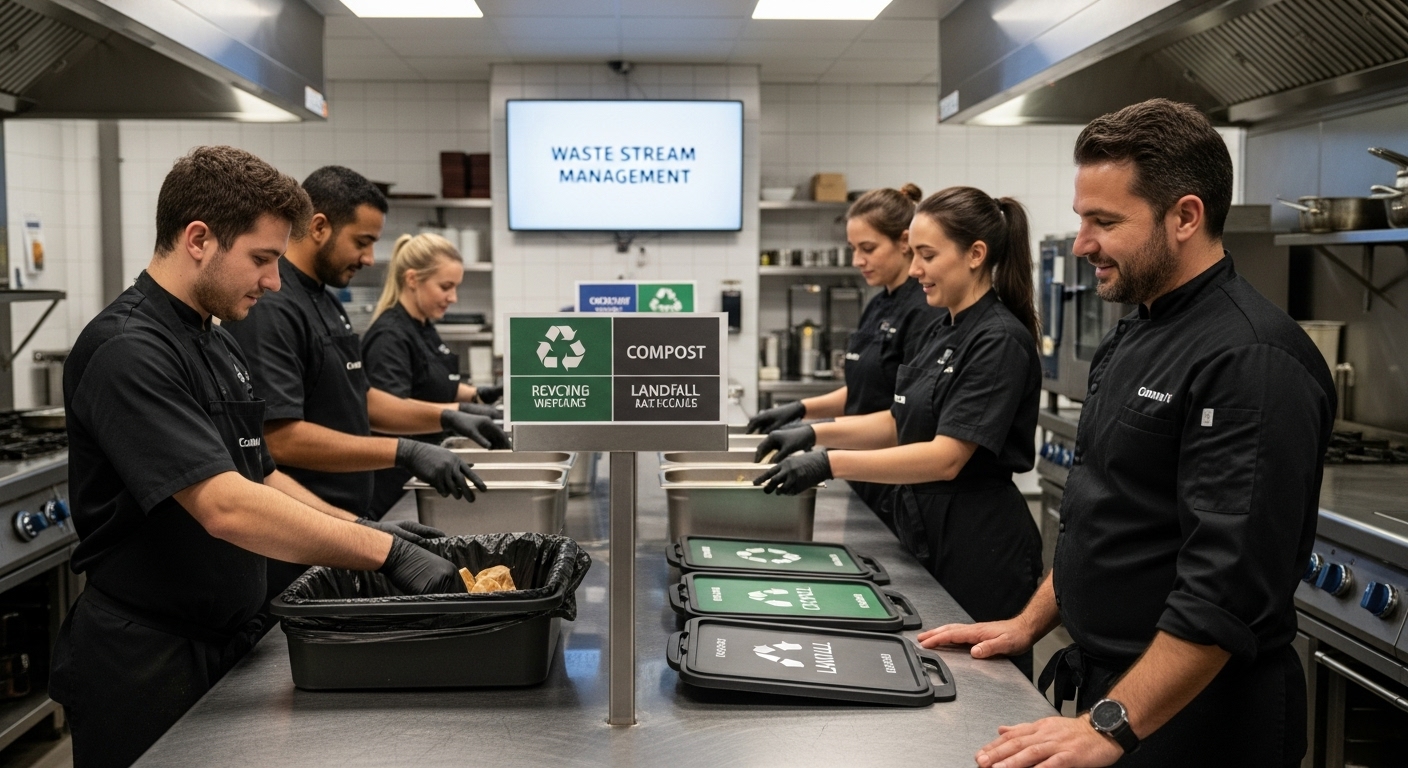
Understanding Waste Stream Management for Hospitality
Understanding Waste Stream Management for Hospitality
Hotels and restaurants generate a massive amount of trash every single day. Some of the biggest brands end up throwing away up to 75 percent of their total waste without sorting it at all. You might imagine those bins just disappear and the problem ends there. In reality, that unsorted waste threatens profits and reputation just as much as the planet itself. The right waste stream management plan can flip the entire script—and leave your competitors wondering what they missed.
Table of Contents
- What Is Waste Stream Management And Its Importance?
- Why Effective Waste Stream Management Matters For Businesses
- Key Principles Behind Waste Stream Management
- Real-World Applications Of Waste Stream Management In Hospitality
Quick Summary
| Takeaway | Explanation |
|---|---|
| Implement waste characterization for tracking | Understanding waste types helps identify reduction opportunities and improve resource utilization. |
| Reduce costs with effective waste management | Strategically managing waste can lower disposal fees and improve operational efficiency. |
| Adopt sustainable practices for competitive edge | Demonstrating environmental responsibility can attract mindful consumers and enhance brand reputation. |
| Develop comprehensive recycling and composting systems | Create systems that repurpose waste, transforming it into a resource rather than a burden. |
| Engage in continuous monitoring of waste streams | Regularly track and analyze waste generation to inform better management strategies and practices. |
What is Waste Stream Management and Its Importance?
Waste stream management represents a comprehensive approach to tracking, handling, and optimizing waste generated within hospitality operations. At its core, this systematic process involves identifying, collecting, sorting, and processing different types of waste to minimize environmental impact and maximize resource efficiency.
Understanding the Waste Stream Concept
In the hospitality industry, waste stream management goes beyond simple trash disposal. It encompasses a holistic strategy that examines every stage of waste generation. From kitchen food scraps to disposable packaging, each waste category requires a targeted approach.
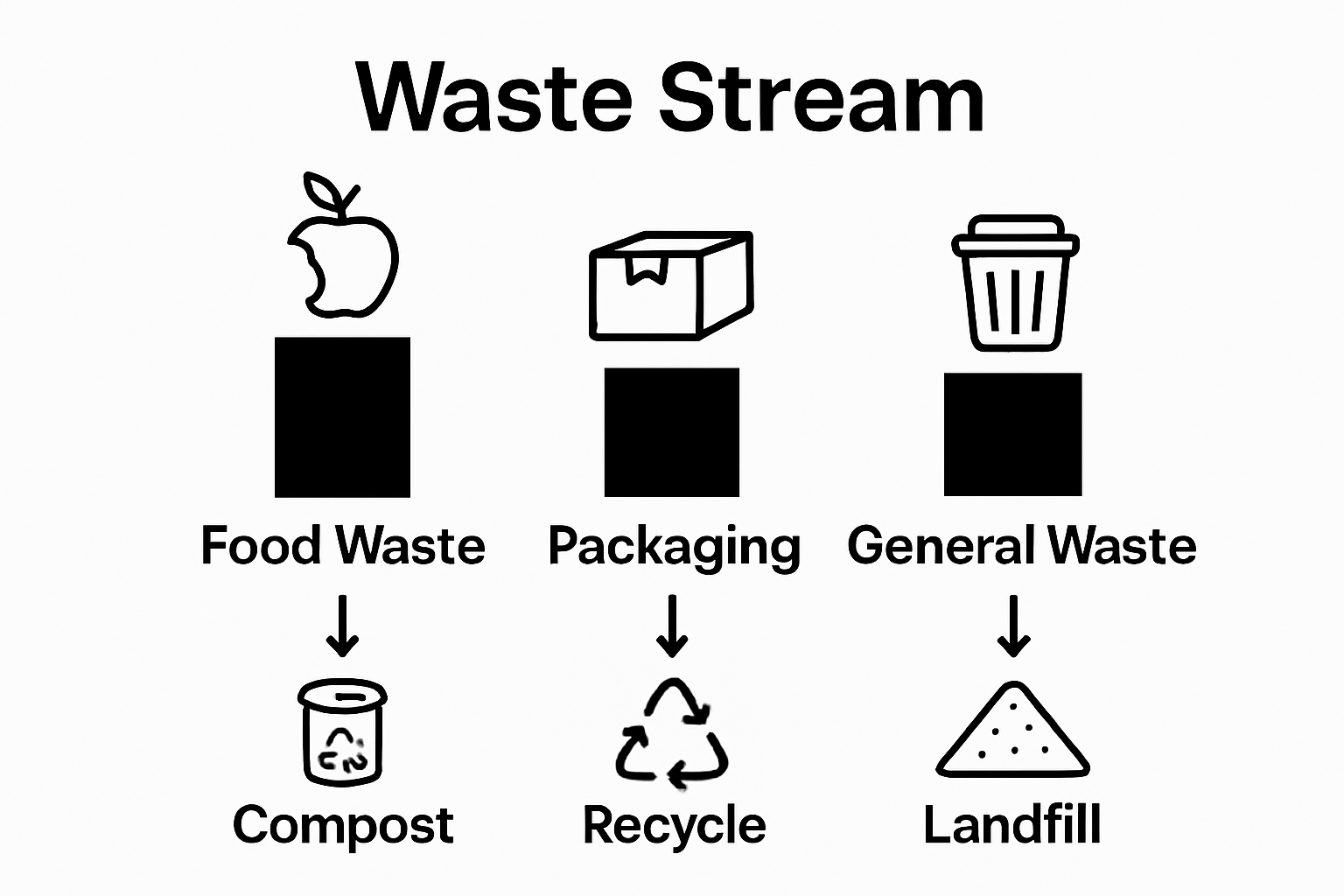 Learn more about waste minimization strategies for hospitality to develop a comprehensive waste reduction plan.
According to research published in the Public Health journal, effective waste stream management can significantly reduce an organization’s environmental footprint. Key components of this approach include:
- Waste characterization and detailed tracking
- Implementing segregation protocols
- Developing recycling and composting systems
- Creating waste reduction strategies
Economic and Environmental Benefits
Effective waste stream management delivers multiple advantages for hospitality businesses. Beyond environmental responsibility, it offers substantial economic benefits. Reducing waste translates directly into lower disposal costs, potentially saving thousands of dollars annually. Organizations can transform waste from a financial burden into a strategic resource by implementing smart management techniques.
Moreover, customers increasingly value businesses demonstrating environmental consciousness. A well-executed waste management program signals corporate responsibility, potentially attracting environmentally aware clients and improving brand reputation. By systematically addressing waste generation, hospitality businesses can create a positive environmental impact while simultaneously improving operational efficiency.
The following table provides a side-by-side comparison of economic and environmental benefits of effective waste stream management in hospitality operations.
| Benefit Type | Description |
|---|---|
| Economic | Lower waste disposal costs, reduced procurement expenses, and potential revenue through recycling. |
| Environmental | Decreased environmental footprint, resource conservation, and positive impact on community reputation. |
Why Effective Waste Stream Management Matters for Businesses
Waste stream management has transformed from a peripheral operational concern to a strategic business imperative. Modern hospitality organizations recognize that systematic waste management is not just an environmental responsibility but a critical driver of business performance and competitive advantage.
Financial Impact and Cost Reduction
Effective waste stream management directly influences a business’s bottom line. By implementing strategic waste reduction techniques, hospitality businesses can significantly decrease disposal expenses. Check out our guide on waste management best practices to understand how systematic approaches can generate substantial financial savings.
According to research in the International Journal of Environmental Research and Public Health, organizations that prioritize comprehensive waste management can reduce operational costs by up to 20%. Key financial benefits include:
- Reduced waste disposal fees
- Lower procurement costs through efficient resource utilization
- Potential revenue generation from recycling and repurposing materials
- Decreased long-term environmental compliance expenses
Reputation and Competitive Advantage
In an era of heightened environmental awareness, waste stream management serves as a powerful brand differentiation tool. Customers increasingly support businesses demonstrating genuine commitment to sustainability. A robust waste management strategy communicates corporate responsibility, potentially attracting environmentally conscious consumers and investors.
Moreover, businesses that excel in waste management often experience improved stakeholder relationships. By transparently showcasing waste reduction efforts, organizations can build trust, enhance brand perception, and position themselves as industry leaders in sustainable practices. Effective waste stream management is no longer optional but a fundamental aspect of modern business strategy.
Key Principles Behind Waste Stream Management
Waste stream management represents a sophisticated framework designed to transform how organizations handle waste systematically and strategically. By understanding and implementing core principles, hospitality businesses can create comprehensive approaches that minimize environmental impact while maximizing operational efficiency.
Below is a table summarizing the key principles behind waste stream management and their practical explanations for hospitality businesses.
| Principle | Explanation |
|---|---|
| Waste Prevention | Minimizing waste generation at the source by improving processes and reducing unnecessary materials. |
| Resource Efficiency | Maximizing the utility of materials and resources throughout their lifecycle. |
| Continuous Monitoring | Regularly tracking and analyzing waste streams to inform better management decisions. |
| Systematic Categorization | Properly sorting and classifying different waste types for effective handling and recycling. |
Foundational Waste Management Principles
The core principles of waste stream management revolve around creating structured, intentional processes that address waste generation comprehensively. Learn effective strategies for reducing waste in hospitality operations to develop a robust waste management approach.
According to research from the U.S. Environmental Protection Agency, successful waste management strategies typically encompass several critical principles:
- Waste Prevention: Minimizing waste generation at the source
- Resource Efficiency: Maximizing the utility of materials and resources
- Continuous Monitoring: Tracking and analyzing waste streams consistently
- Systematic Categorization: Properly sorting and classifying different waste types
Implementing Sustainable Waste Management Strategies
Effective waste stream management goes beyond simple disposal. It involves creating integrated systems that consider the entire lifecycle of materials. This holistic approach requires businesses to develop comprehensive strategies that address waste reduction, recycling, and responsible disposal.
By adopting a proactive approach, hospitality organizations can transform waste management from a reactive operational task into a strategic business initiative. The goal is not just compliance but creating meaningful environmental and economic value through intelligent waste handling practices.
Real-World Applications of Waste Stream Management in Hospitality
Waste stream management has evolved from a theoretical concept to a practical necessity in the hospitality industry. Organizations are increasingly implementing innovative strategies to transform waste handling from a routine operational task into a strategic sustainability initiative.
Food Waste Transformation Strategies
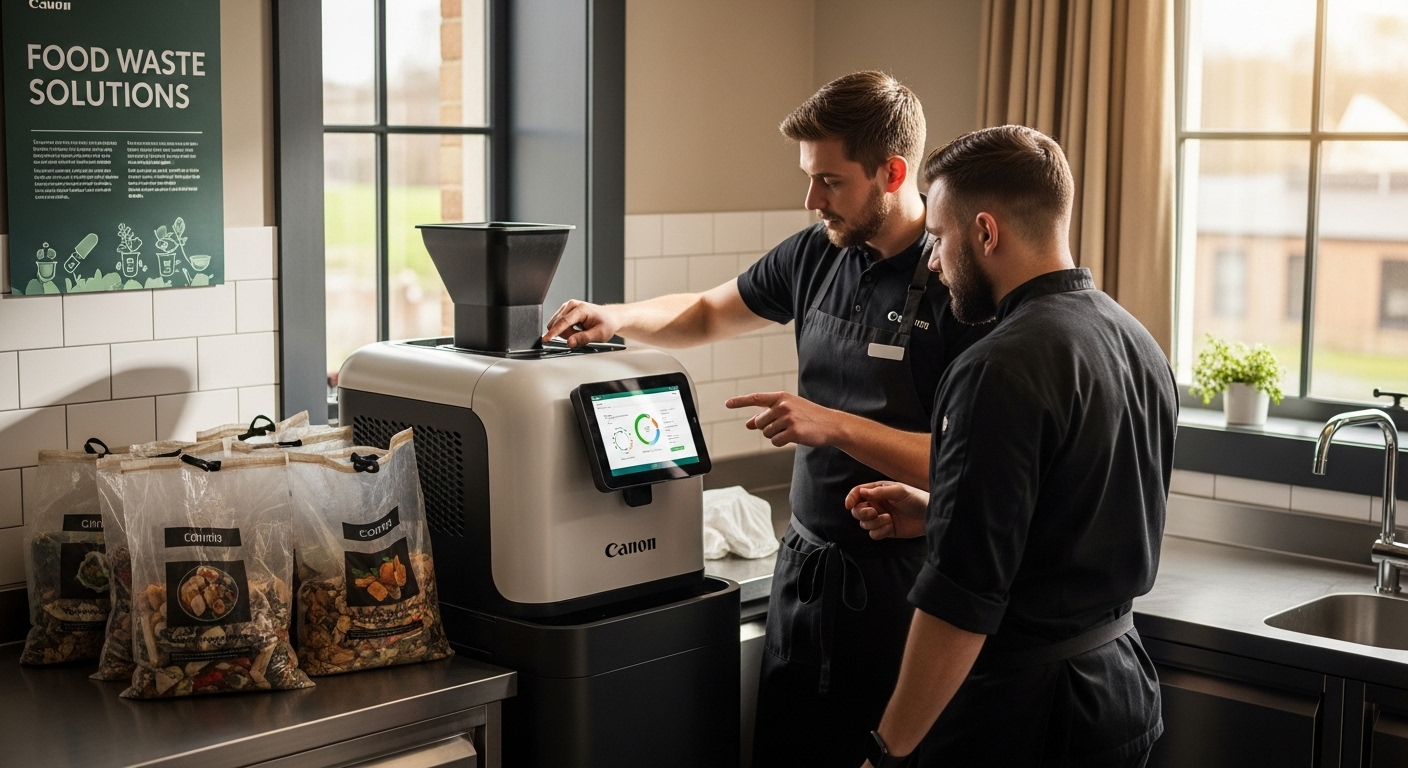
Food waste represents a significant challenge for hospitality businesses. Explore innovative waste solutions that can revolutionize your approach to managing food-related waste streams.
According to research published in Planning Malaysia, successful food waste management involves several practical applications:
- Implementing precise inventory tracking systems
- Creating composting programs for organic waste
- Developing partnerships with local farms or food banks
- Utilizing technology for accurate food consumption prediction
Comprehensive Waste Stream Intervention Models
Modern hospitality organizations are developing comprehensive waste intervention models that go beyond traditional disposal methods. These models focus on creating closed-loop systems where waste is viewed as a potential resource rather than a disposable byproduct.
Such approaches might include converting food waste into biogas, transforming packaging materials into new products, or developing on-site recycling and composting facilities. By treating waste as a valuable resource, businesses can simultaneously reduce environmental impact and create potential additional revenue streams. The goal is to minimize waste generation and maximize resource efficiency through strategic, integrated waste management practices.
Transform Your Hospitality Waste Streams Into Sustainable Success
Tired of overflowing bins and costly waste hauling in your hospitality business? The article “Understanding Waste Stream Management for Hospitality” shows that every step from food scraps to packaging waste demands a smarter, greener solution. You want waste stream management that saves you money, protects the environment, and lifts your brand above the competition.
Choose a proven way to cut down single-use plastic and support your waste reduction goals. Switch to truly compostable wood and plant-based straws for hotels, restaurants, and cafes with The Ocean Straw. Our products fit right into your zero-waste initiatives by reducing landfill waste and letting your guests know you care. Ready to see the benefits for yourself? Visit The Ocean Straw today and discover how easy it is to make your waste stream management strategy more sustainable—order now and help your business make a difference.
Frequently Asked Questions
What is waste stream management in hospitality?
Waste stream management in hospitality is a systematic approach to tracking, handling, and optimizing the waste generated within hospitality operations. It involves identifying, collecting, sorting, and processing different types of waste to minimize environmental impact and maximize resource efficiency.
Why is effective waste stream management important for hospitality businesses?
Effective waste stream management is crucial for hospitality businesses as it can lead to significant cost savings on disposal fees, improve brand reputation among environmentally conscious consumers, and enhance operational efficiency by transforming waste into a strategic resource.
What are the key principles behind waste stream management?
The key principles of waste stream management include waste prevention, resource efficiency, continuous monitoring of waste streams, and systematic categorization of different waste types. These principles help organizations create a structured and intentional waste management process.
How can hospitality businesses transform food waste?
Hospitality businesses can transform food waste by implementing precise inventory tracking systems, creating composting programs for organic waste, establishing partnerships with local farms or food banks, and utilizing technology to predict food consumption accurately.
Recommended
- Waste Management in Hotels: Best Practices and Solutions – The Ocean Straw
- Understanding Innovative Waste Solutions for Hospitality – The Ocean Straw
- How to Reduce Waste in Hospitality Operations Effectively – The Ocean Straw
- Understanding Waste Minimization Strategies for Hospitality – The Ocean Straw