Newsroom
Understanding Supply Chain Transparency for Hospitality

Understanding Supply Chain Transparency for Hospitality
Supply chain transparency is changing how the hospitality industry earns trust. Modern consumers dig deep with 81 percent of them wanting proof of ethical sourcing and fair labor practices before they buy. That kind of demand might look overwhelming at first. But the real surprise is that businesses using transparency are not just keeping customers happy. They are actually protecting their operations from risks that most competitors never see coming.
Table of Contents
- What Is Supply Chain Transparency?
- Why Supply Chain Transparency Matters
- Key Components Of Supply Chain Transparency
- How Supply Chain Transparency Works
- Real-World Examples Of Supply Chain Transparency In Hospitality
Quick Summary
| Takeaway | Explanation |
|---|---|
| Supply chain transparency is essential for trust. | Modern consumers expect clarity about product sourcing to build trust and influence their buying decisions. |
| Effective data collection is crucial. | Systematic data gathering across supply chain stages enhances transparency and supports smarter decision-making in operations. |
| Technologies like blockchain enhance traceability. | Advanced tech solutions provide real-time tracking and verification, making it easier for businesses to ensure product integrity. |
| Consumer demands drive operational changes. | Increasing expectations for ethical sourcing and environmental stewardship compel companies to adapt and improve their practices. |
| Ongoing transparency is a continuous commitment. | Organizations must regularly communicate performance and improvements to maintain transparency and accountability with stakeholders. |
What is Supply Chain Transparency?
Supply chain transparency represents a comprehensive approach to understanding and revealing the intricate processes, origins, and practices involved in creating products across various industries. In the hospitality sector, this concept goes beyond simple tracking of ingredients or materials.
Defining Supply Chain Transparency
At its core, supply chain transparency involves complete visibility and open communication about every stage of product sourcing, production, and distribution. According to MIT Sloan, this means accurately identifying and collecting data from all links in the supply chain, then effectively communicating that information both internally and externally.
For hospitality businesses, supply chain transparency means understanding and documenting:
- Where raw materials originate
- Manufacturing and processing conditions
- Environmental and social impact of production
- Ethical labor practices throughout the supply network
- Transportation and logistics details
Why Supply Chain Transparency Matters
Transparency is no longer optional but a critical business strategy. Consumers increasingly demand to know the story behind their products, especially in food and hospitality industries. Transparent supply chains build trust, demonstrate corporate responsibility, and provide competitive advantages.
The Environmental Defense Fund emphasizes that transparency helps businesses understand the ‘what,’ ‘how much,’ ‘why,’ and ‘who’ of their product ingredients. This knowledge enables more informed decision-making, reduces potential risks, and allows companies to proactively address potential ethical or environmental concerns.
In hospitality, supply chain transparency can manifest through detailed reporting on ingredient sourcing, sustainability practices, waste management, and social responsibility initiatives. By providing clear, accessible information, businesses can differentiate themselves and connect more meaningfully with environmentally and socially conscious consumers.
Why Supply Chain Transparency Matters
Supply chain transparency has transformed from a peripheral business strategy to a critical operational requirement, particularly in the hospitality industry. Understanding its significance requires examining the complex interactions between business practices, consumer expectations, and global sustainability challenges.
Consumer Trust and Market Expectations
Modern consumers are no longer passive recipients of products but active investigators of corporate practices. They demand comprehensive information about the origins, production methods, and ethical standards behind the goods and services they consume. According to MIT Sloan, increased supply chain transparency directly correlates with enhanced consumer trust and purchasing behavior.
Key expectations from consumers include:
- Clear documentation of ingredient sourcing
- Verification of ethical labor practices
- Demonstration of environmental responsibility
- Proof of sustainable production methods
- Commitment to social and economic fairness
Risk Mitigation and Operational Resilience
Beyond consumer perceptions, supply chain transparency serves as a critical risk management tool. By thoroughly understanding each link in the supply chain, hospitality businesses can proactively identify and address potential vulnerabilities. Comprehensive visibility allows organizations to anticipate disruptions, ensure quality control, and maintain operational continuity.
The COVID-19 pandemic dramatically highlighted the importance of flexible and transparent supply chains. Hospitality Insights emphasizes that implementing Green Supply Chain Management enables businesses to increase asset efficiency, reduce environmental impact, and create more resilient operational models.
Transparency is not just about risk reduction but about building a robust, adaptable business ecosystem that can withstand unexpected challenges while maintaining high standards of quality, ethics, and sustainability.
Key Components of Supply Chain Transparency
Supply chain transparency is a multifaceted approach that requires strategic implementation across various organizational dimensions. Understanding its fundamental components helps hospitality businesses develop comprehensive and effective transparency strategies.
Data Collection and Documentation
Robust data collection forms the foundation of supply chain transparency. This involves systematically gathering comprehensive information about every stage of product sourcing, manufacturing, and distribution. Global Reporting Initiative emphasizes the importance of creating standardized, verifiable documentation that tracks products from origin to final destination.
Key documentation elements include:
- Detailed supplier profiles and credentials
- Production process documentation
- Environmental impact assessments
- Labor practice certifications
- Transportation and logistics records
Traceability and Technology Integration
Traceability represents the ability to track a product’s journey through complex supply networks.
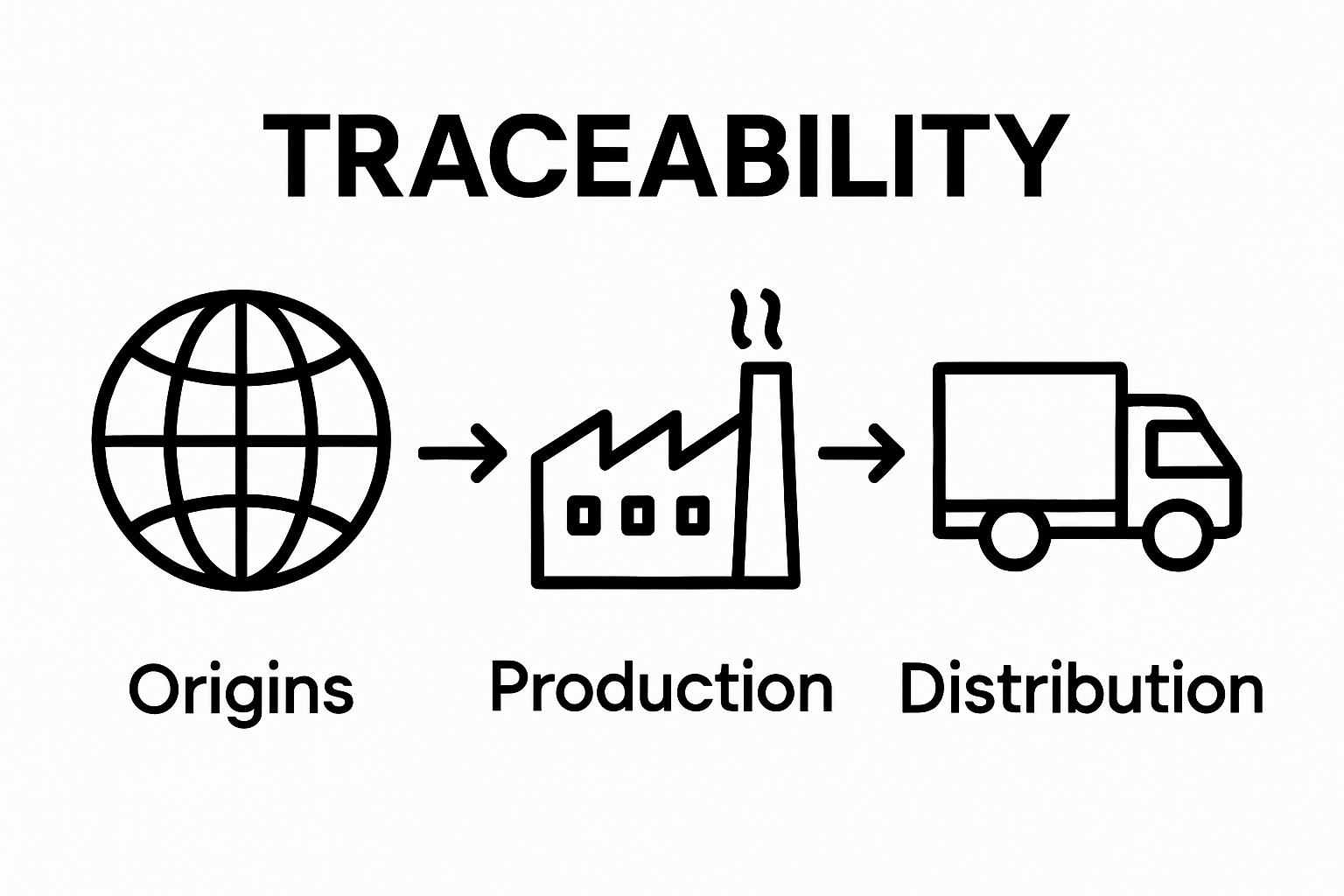 Advanced technologies like blockchain, IoT sensors, and digital tracking systems have revolutionized how businesses monitor and verify supply chain processes. These technologies enable real-time tracking, providing unprecedented visibility into product origins, handling conditions, and movement.
Implementing traceability requires:
- Digital tracking platforms
- Standardized identification systems
- Automated reporting mechanisms
- Interoperable data exchange protocols
- Secure information management infrastructure
Stakeholder Engagement and Reporting
Transparency extends beyond internal documentation to active communication with stakeholders. This involves creating accessible, comprehensible reports that demonstrate a commitment to ethical and sustainable practices. Effective stakeholder engagement builds trust, encourages accountability, and allows businesses to demonstrate their dedication to responsible sourcing and production.
The table below summarizes the key components that build a transparent supply chain, making it easy to compare each element and understand its unique role.
| Component | Description | Example Activities |
|---|---|---|
| Data Collection & Documentation | Systematic gathering of information about sourcing, production, and distribution | Supplier profiles, environmental assessments |
| Traceability & Technology Integration | Tracking product journey using advanced technologies | Blockchain tracing, IoT sensor monitoring |
| Stakeholder Engagement & Reporting | Active communication with stakeholders demonstrating ethical and sustainable practices | Sustainability reports, third-party certifications |

Successful stakeholder engagement strategies include:
- Regular public sustainability reports
- Open communication channels
- Third-party verification processes
- Transparent performance metrics
- Proactive disclosure of challenges and improvement plans
How Supply Chain Transparency Works
Supply chain transparency is a complex, interconnected process that requires strategic coordination across multiple organizational levels and technological platforms. Understanding its operational mechanics helps hospitality businesses implement effective transparency strategies.
Information Mapping and Data Integration
The initial phase of supply chain transparency involves comprehensive information mapping. This process requires businesses to systematically track and document every stage of product development, from raw material sourcing to final delivery. Food and Agriculture Organization emphasizes creating robust, interconnected data systems that allow real-time tracking and verification of supply chain activities.
Key information mapping strategies include:
- Establishing standardized data collection protocols
- Creating centralized information repositories
- Developing comprehensive supplier questionnaires
- Implementing digital tracking mechanisms
- Ensuring consistent documentation standards
Technology-Enabled Verification
Advanced technological solutions play a crucial role in enabling supply chain transparency. Digital platforms, blockchain technologies, and sophisticated tracking systems transform how businesses monitor and validate supply chain processes. These technologies provide unprecedented visibility, allowing real-time monitoring of product movements, environmental conditions, and ethical compliance.
Technological verification components involve:
- IoT sensor networks
- Blockchain transaction records
- Artificial intelligence tracking systems
- Digital certification platforms
- Automated compliance monitoring tools
Continuous Reporting and Improvement
Transparency is not a one-time achievement but an ongoing commitment to continuous improvement. Hospitality businesses must develop systematic reporting mechanisms that regularly assess and communicate supply chain performance. This approach demonstrates organizational accountability and allows for iterative enhancements in sourcing, production, and distribution practices.
Effective continuous improvement strategies include:
- Regular sustainability performance audits
- Public transparency reports
- Stakeholder feedback integration
- Proactive risk assessment processes
- Adaptive supply chain optimization
Real-World Examples of Supply Chain Transparency in Hospitality
Supply chain transparency is rapidly evolving from a theoretical concept to a practical business strategy across the hospitality industry.
This table provides an at-a-glance comparison of common technological initiatives, sustainable sourcing strategies, and verification programs used in hospitality, highlighting their core focus and typical tools or processes.
| Approach | Main Focus | Typical Tools/Processes |
|---|---|---|
| Technological Traceability | Real-time supply chain visibility | Blockchain systems, IoT sensors, digital tracking |
| Sustainable Sourcing | Ethical and environmental sourcing | Supplier code of conduct, ethical audits, local sourcing |
| Certification & Verification | Proven compliance and standards | Third-party audits, sustainability labels, documentation |
| Real-world implementations demonstrate how organizations are transforming their operational approaches to meet growing consumer and regulatory expectations. |
Technological Traceability Initiatives
Innovative technologies are enabling unprecedented levels of supply chain visibility. Hospitality Insights highlights how hospitality businesses are adopting advanced tracking and monitoring systems to enhance transparency and sustainability.
Emergent technological traceability approaches include:
- Blockchain-based ingredient tracking systems
- Satellite monitoring of agricultural sourcing
- IoT sensors for temperature and handling conditions
- Digital platforms for supplier certification
- Real-time carbon footprint measurement tools
Sustainable Sourcing Strategies
Progressive hospitality organizations are reimagining their procurement processes to prioritize transparency and ethical considerations. By developing comprehensive supplier assessment frameworks, businesses can ensure responsible sourcing practices that align with environmental and social standards.
Key sustainable sourcing strategies involve:
- Implementing rigorous supplier code of conduct
- Conducting regular on-site ethical audits
- Supporting local and sustainable producers
- Creating transparent reporting mechanisms
- Developing long-term partnerships with responsible suppliers
Certification and Verification Programs
Independent certification programs play a crucial role in validating supply chain transparency claims. These third-party verification processes provide credible, objective assessments of an organization’s sourcing and production practices, offering stakeholders reliable insights into corporate responsibility efforts.
Effective certification approaches encompass:
- Global sustainability standards compliance
- Third-party environmental audits
- Social responsibility verification processes
- Transparent performance reporting
- Continuous improvement documentation
Bring Real Supply Chain Transparency to Your Table
You’ve just discovered how vital transparency is for building consumer trust and ensuring responsible practices in the hospitality industry. For businesses facing the pressure of proving ethical sourcing and sustainable practices, every detail matters. Unclear supply origins or ambiguous product claims can damage your brand, especially with conscious diners who demand proof. Choosing reliable partners who prioritize open documentation, traceability and verified certifications is essential if you want your hospitality venue to stand out.
If you’re looking to align your business with the highest standards of supply chain transparency, take the next step today. Explore our compostable straws for HoreCa to enhance your sustainable sourcing story. Show guests that every detail on their table is traceable, eco-friendly and honestly sourced. Visit The Ocean Straw now to access certified wood and plant-based solutions and start communicating supply chain transparency where it counts most.
Frequently Asked Questions
What is supply chain transparency in hospitality?
Supply chain transparency in hospitality refers to the complete visibility and open communication regarding every stage of product sourcing, production, and distribution, including the origins of raw materials and ethical practices throughout the supply network.
Why is supply chain transparency important for hospitality businesses?
Supply chain transparency is crucial for hospitality businesses as it builds consumer trust, demonstrates corporate responsibility, and provides a competitive advantage. Consumers increasingly demand to know the story behind their products, especially regarding ethical and sustainable practices.
How can technology improve supply chain transparency?
Technology can improve supply chain transparency through advanced systems like blockchain, IoT sensors, and digital tracking platforms. These tools allow for real-time monitoring, enabling businesses to track product origins, handling conditions, and compliance with ethical and environmental standards.
What are the key components of a transparent supply chain?
The key components of a transparent supply chain include robust data collection and documentation, traceability through technology integration, and active stakeholder engagement and reporting. These elements help ensure comprehensive visibility and accountability throughout the supply chain.