Newsroom
Understanding Restaurant Workplace Safety: Key Insights
Understanding Restaurant Workplace Safety: Key Insights
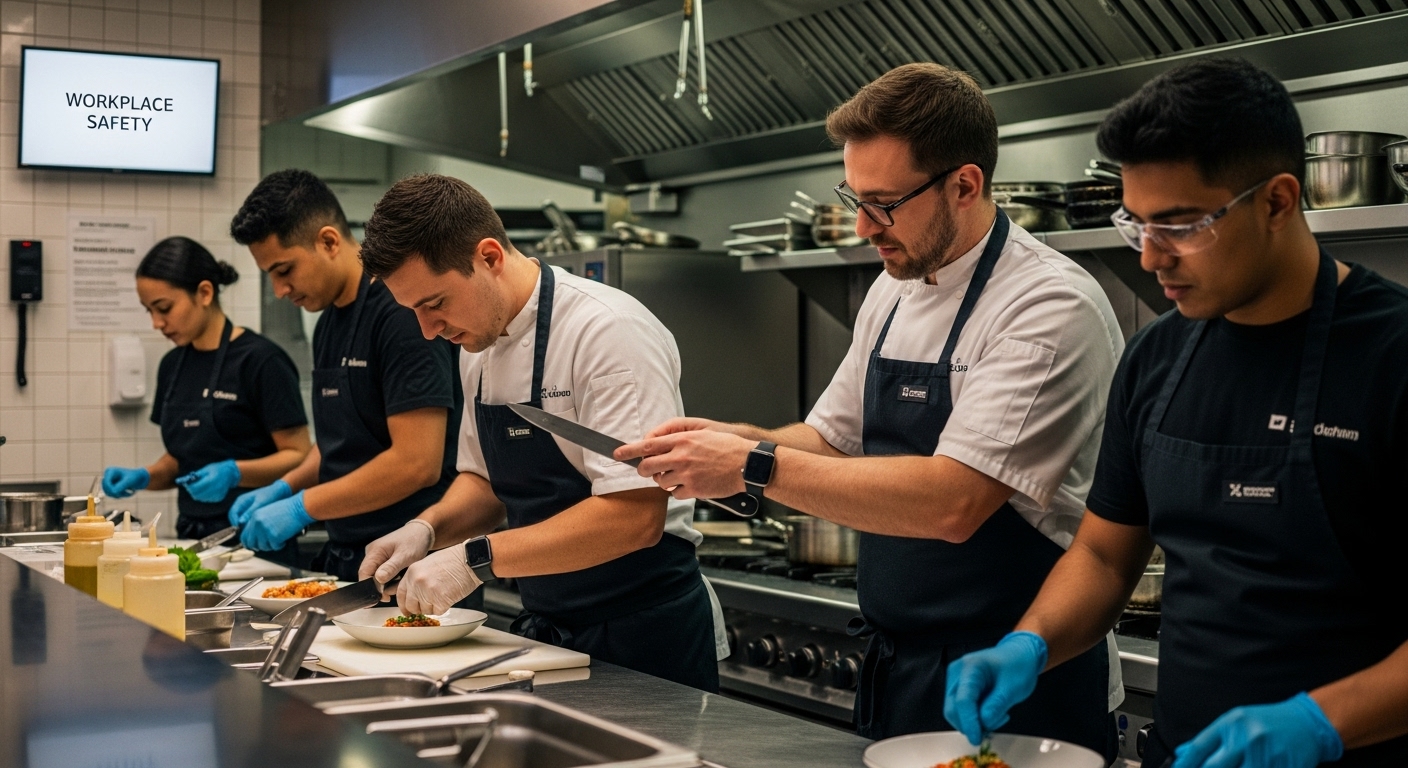
Restaurant kitchens are some of the busiest and most unpredictable places to work. Believe it or not, food service workers face injury rates that are higher than in many other industries. What surprises most people is that strong workplace safety is not just about following the rules. It is actually a smart way to reduce costs, keep your best staff, and protect your reputation all at once.
Table of Contents
- Defining Restaurant Workplace Safety: What It Means
- The Importance Of Safety In The Restaurant Industry
- Key Concepts Behind Safety Regulations And Standards
- Common Hazards In Restaurant Work Environments
- Creating A Culture Of Safety: Best Practices And Mindset
Quick Summary
| Takeaway | Explanation |
|---|---|
| Prioritize proactive risk management. | Systematically identify and address potential hazards to enhance workplace safety. |
| Develop comprehensive safety training programs. | Regularly train employees on safety protocols to minimize risks and promote awareness. |
| Create a strong safety culture. | Foster an environment where safety is an organizational value, encouraging employee involvement. |
| Implement clear safety protocols. | Establish and communicate specific procedures for handling hazards and emergencies effectively. |
| Invest in employee well-being. | Allocate resources to support both physical safety and mental health for staff. |
Defining Restaurant Workplace Safety: What It Means
Restaurant workplace safety represents a comprehensive system of protocols, practices, and preventive measures designed to protect employees from potential hazards within food service environments. More than just a regulatory requirement, it is a critical framework that safeguards workers physical health, psychological well-being, and overall professional experience.
Understanding the Core Components
Workplace safety in restaurants encompasses multiple interconnected dimensions that address various potential risks. These include physical safety, sanitation standards, equipment management, and employee training protocols. Successful implementation requires a holistic approach that recognizes the unique challenges inherent in fast-paced culinary settings.
Key Safety Dimensions Include:
- Protection from physical injuries during food preparation
- Preventing burns and cuts from kitchen equipment
- Managing potential slip and fall hazards
- Ensuring proper handling of sharp objects
- Maintaining clean and organized workspaces
The Importance of Proactive Risk Management
Effective restaurant workplace safety goes beyond reactive measures.
According to OSHA, proactive risk management involves systematic identification, assessment, and mitigation of potential workplace dangers. This approach requires continuous monitoring, regular staff training, and a commitment to creating an environment where safety is integrated into daily operations.
Restaurant managers must develop comprehensive safety strategies that address both immediate physical risks and long-term workplace wellness.
This table compares the proactive and reactive approaches to restaurant workplace safety, clarifying their characteristics and highlighting the benefits of proactive strategies as detailed in the article.
| Approach | Characteristics | Benefits |
|---|---|---|
| Proactive | Systematic hazard identification, regular training, continuous monitoring, safety culture integration | Reduces accidents, improves morale, lowers costs, boosts reputation |
| Reactive | Addressing incidents after they occur, compliance-focused, minimal ongoing review | May meet minimal standards but misses prevention and improvement |
| This includes implementing clear safety protocols, providing appropriate protective equipment, conducting regular safety audits, and fostering a culture of awareness and accountability among all staff members. |
Ultimately, restaurant workplace safety is not just about compliance but about creating a supportive, secure environment where employees can perform their duties with confidence and peace of mind. By prioritizing worker protection, restaurants demonstrate a fundamental commitment to their most valuable asset: their staff.
The Importance of Safety in the Restaurant Industry
The restaurant industry represents a dynamic yet high-risk work environment where safety is not merely a recommendation but a fundamental operational necessity. Understanding the critical nature of workplace safety goes beyond compliance with regulations it directly impacts employee well-being, business reputation, and overall organizational sustainability.
Economic and Human Cost of Workplace Incidents
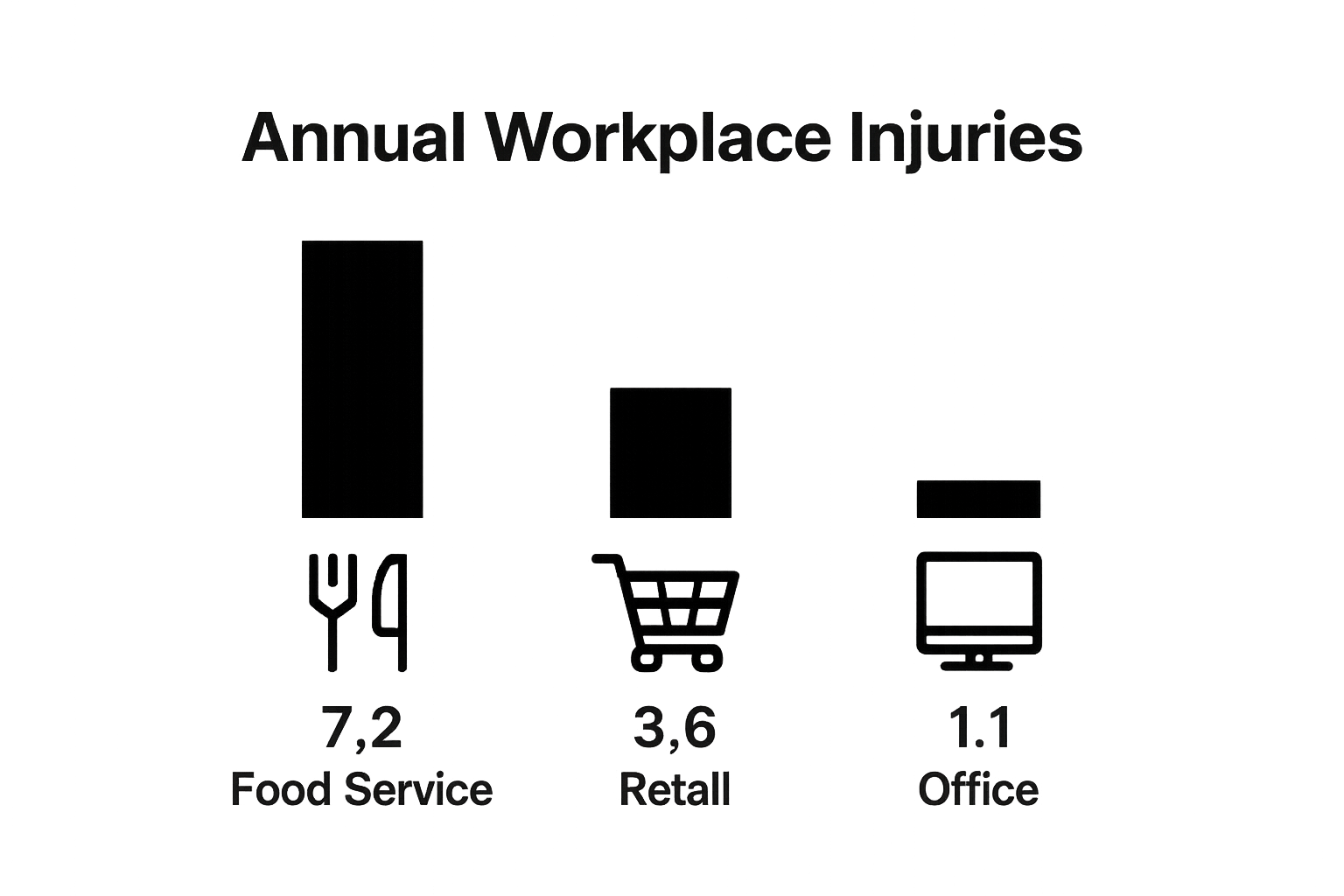
Restaurant workplace accidents carry significant financial and human consequences. According to Bureau of Labor Statistics, food service workers experience higher injury rates compared to many other industries. These incidents result in substantial economic losses through medical expenses, worker compensation claims, potential legal liabilities, and reduced workforce productivity.
Key Economic Implications of Workplace Incidents:
- Direct medical treatment costs
- Lost work hours and productivity
- Potential legal and insurance expenses
- Increased worker compensation premiums
- Potential business reputation damage
Comprehensive Safety as a Strategic Advantage
Effective safety strategies transform workplace protection from a regulatory obligation into a strategic business advantage. Restaurants that prioritize comprehensive safety protocols demonstrate commitment to their workforce, which translates into improved employee morale, reduced turnover, and enhanced operational efficiency.
Moreover, robust safety practices contribute to creating a positive organizational culture. By understanding how sustainability strategies impact workplace environments, restaurants can develop holistic approaches that protect workers while simultaneously improving overall business performance.
The most successful restaurants recognize that workplace safety is an investment not an expense. By allocating resources toward preventative measures, training, and continuous improvement, they cultivate environments where employees feel valued, protected, and empowered to perform at their best. This approach not only mitigates risks but also establishes a foundation for long-term organizational resilience and success.
Key Concepts Behind Safety Regulations and Standards
Restaurant workplace safety regulations represent a comprehensive framework designed to protect workers from potential hazards, establish minimum operational standards, and create structured guidelines for maintaining a safe work environment. These regulations are not arbitrary rules but carefully developed protocols grounded in extensive research, industry experience, and a commitment to worker protection.
Foundational Regulatory Frameworks
Safety standards in the restaurant industry draw from multiple regulatory sources, with the Occupational Safety and Health Administration (OSHA) serving as the primary federal authority. Understanding green certification requirements intersects with safety standards, highlighting the interconnected nature of workplace protection and environmental responsibility.
According to OSHA, key regulatory focus areas include managing specific workplace risks unique to food service environments. These standards address potential hazards such as:
- Slip and fall prevention
- Sharp object handling protocols
- Heat and burn protection strategies
- Chemical exposure management
- Equipment safety guidelines
Compliance and Implementation Strategies
Effective safety regulation implementation requires more than passive adherence. It demands a proactive approach where restaurants develop comprehensive internal systems that not only meet but often exceed minimum regulatory requirements. This involves creating detailed training programs, establishing clear safety protocols, and fostering a workplace culture that prioritizes employee well-being.
Successful restaurants recognize that safety regulations are living frameworks requiring continuous adaptation. They invest in ongoing staff training, regular safety audits, and systematic risk assessment processes. By treating safety standards as dynamic guidelines rather than static rules, organizations can develop robust protective mechanisms that evolve with changing workplace technologies and emerging industry challenges.
Common Hazards in Restaurant Work Environments
Restaurant work environments are complex ecosystems filled with potential safety risks that require comprehensive understanding and proactive management. These hazards range from physical dangers to psychological stressors, creating a multifaceted challenge for workplace safety professionals and restaurant management.
Physical Safety Risks
Physical hazards represent the most immediate and visible threats in restaurant settings. According to research from the International Journal of Environmental Research and Public Health, restaurant workers face numerous occupational risks that can lead to serious injuries and long-term health complications.
Primary Physical Hazards Include:
- Sharp kitchen equipment and cutting instruments
- Slippery floor surfaces
- High-temperature cooking environments
- Heavy lifting and repetitive motion tasks
- Potential contact with hot liquids and surfaces
Ergonomic and Psychological Workplace Challenges
Beyond physical risks, restaurant workers encounter significant ergonomic and psychological challenges. Prolonged standing, repetitive movements, and high-stress work environments contribute to potential musculoskeletal disorders and mental health concerns. Understanding sustainability strategy development can help organizations create holistic approaches that address both physical and psychological workplace well-being.
Ergonomic risks emerge from long shifts, uncomfortable work positions, and demanding physical tasks. Continuous exposure to these conditions can result in chronic pain, reduced productivity, and increased potential for workplace accidents. Restaurant managers must recognize these risks and implement strategies that minimize physical strain and support employee health.
Comprehensive hazard management requires a proactive, multidimensional approach that goes beyond traditional safety protocols.
Below is a table summarizing the primary categories of workplace hazards discussed in the article, along with examples and their potential impact on restaurant workers.
| Hazard Category | Examples from Article | Potential Impact on Workers |
|---|---|---|
| Physical Risks | Sharp equipment, slippery floors, hot surfaces | Cuts, burns, sprains, fractures |
| Ergonomic Challenges | Prolonged standing, repetitive motions | Musculoskeletal pain, chronic fatigue |
| Psychological Stressors | High-stress environment, long shifts | Mental health concerns, reduced morale |
| Chemical Exposure | Cleaning agents, single-use plastics (context) | Respiratory issues, skin irritation |
| Equipment Management Issues | Heavy lifting, improper machinery use | Back injuries, crush injuries |
| By understanding the complex nature of restaurant workplace risks, organizations can develop targeted interventions that protect employees, enhance operational efficiency, and create a culture of safety and support. |
Creating a Culture of Safety: Best Practices and Mindset
Building a robust safety culture in restaurant environments transcends traditional compliance mechanisms. It represents a comprehensive approach that integrates safety consciousness into every operational aspect, transforming workplace protection from a regulatory requirement to a fundamental organizational value.
Leadership and Commitment
Successful safety cultures begin with unwavering leadership commitment. According to CDC research, managers must actively demonstrate personal dedication to safety principles, creating an environment where protective practices become ingrained organizational norms.
Key Leadership Safety Responsibilities:
- Consistently modeling safe behavior
- Developing comprehensive safety training programs
- Allocating sufficient resources for safety infrastructure
- Establishing clear communication channels
- Recognizing and rewarding safety-conscious behaviors
Systematic Integration of Safety Practices
Transforming safety from a concept to a lived experience requires systematic integration into daily operations. Understanding green certification requirements can provide additional insights into creating holistic workplace environments that prioritize employee well-being.
Effective safety culture implementation involves continuous education, open communication, and proactive risk management. Restaurant teams must view safety not as an external imposition but as a collaborative effort where every team member plays a critical role in maintaining a secure workplace. This approach demands ongoing training, regular safety assessments, and a collective commitment to identifying and mitigating potential risks before they escalate.
Ultimately, creating a safety culture is about cultivating a mindset where protection becomes second nature. By embedding safety principles into organizational DNA, restaurants can develop environments that prioritize employee well-being, minimize workplace incidents, and demonstrate a profound commitment to their most valuable asset their workforce.
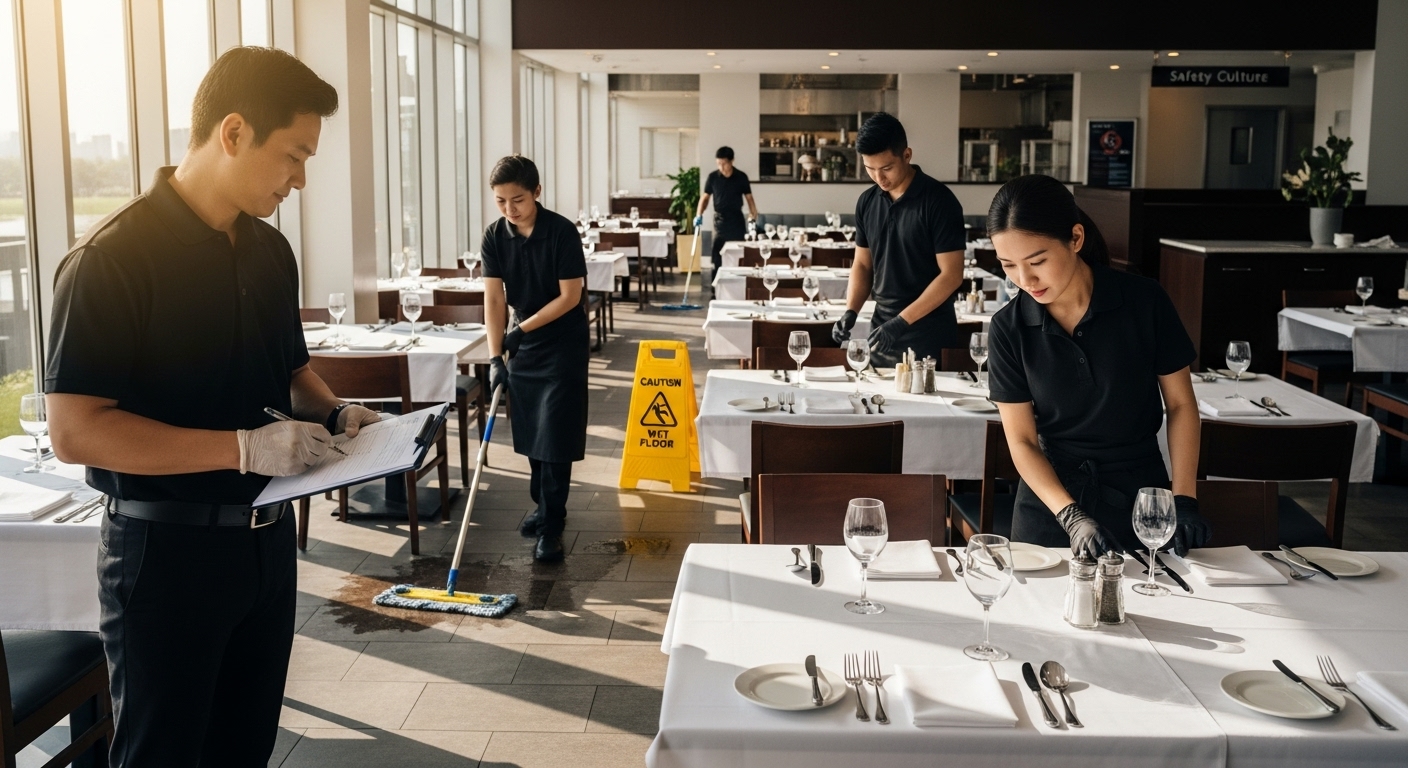
Protect Your Team and Reputation with Safer, Sustainable Choices
Restaurant workplace safety is more than a checklist. It is about giving your staff the confidence and well-being they deserve every day. In the article you just read, we explored the risks of sharp equipment, slippery surfaces, and chemical exposure. When operations move fast and injuries can impact lives and business, every safety improvement counts. Taking proactive steps not only prevents accidents but also builds a culture of care and trust.
Show your commitment to both safety and environmental responsibility by replacing hazardous single-use plastics with wood and plant-based compostable straws designed for the HoreCa industry. By choosing safer, naturally compostable options, you defend your team against chemical exposure and cleanup risks. Visit The Ocean Straw now to start changing your restaurant’s safety profile today. Make your next move meaningful and protect everyone in your team while sending a strong message to your customers. Act now and be part of a safer, more sustainable future.
Frequently Asked Questions
What are the primary risks associated with restaurant workplace safety?
Restaurant workplace safety risks include physical injuries from sharp equipment, slip and fall hazards, burns from hot surfaces, and ergonomic issues from prolonged standing and repetitive motions.
How can restaurant managers promote a culture of safety among staff?
Managers can promote a culture of safety by modeling safe behavior, providing comprehensive training, recognizing safe practices, and encouraging open communication about safety concerns.
Why is proactive risk management important in restaurant safety?
Proactive risk management is crucial as it involves the continuous identification and mitigation of hazards, reducing the likelihood of accidents and injuries, and fostering a safer work environment for employees.
What role do safety regulations play in a restaurant’s operational strategy?
Safety regulations establish minimum standards for workplace safety, helping restaurants implement necessary protocols to protect employees, improve operational efficiency, and enhance their overall business reputation.
Recommended
- Understanding the Impact of Government Policies on Hospitality – The Ocean Straw
- How to Get Staff Buy In for Successful Hotel Operations – The Ocean Straw
- How to Reduce Waste in Hospitality Operations Effectively – The Ocean Straw
- How to Measure Impact: Practical Steps for Hotel & Restaurant Excellen – The Ocean Straw