Newsroom
Understanding Organic Matter Decomposition for Sustainability

Understanding Organic Matter Decomposition for Sustainability
Organic matter decomposition sounds like a natural background process in every ecosystem and yet this quiet phenomenon is an unsung powerhouse. Microorganisms break down dead material to recycle billions of tons of nutrients every year, turning waste into the fuel that keeps plants and animals thriving. But what surprises most people is just how much human agriculture and climate stability rely on this microscopic workforce.
Table of Contents
- What Is Organic Matter Decomposition?
- Why Is Organic Matter Decomposition Important?
- How Does Organic Matter Decomposition Work?
- Key Concepts In Organic Matter Decomposition
- Real-World Applications Of Organic Matter Decomposition
Quick Summary
| Takeaway | Explanation |
|---|---|
| Microorganisms drive decomposition | Bacteria and fungi break down complex organic materials into simpler nutrients, essential for ecosystem health. |
| Decomposition supports nutrient cycling | This process replenishes soil fertility, aiding plant growth and reducing the need for synthetic fertilizers. |
| Environmental factors influence rates | Temperature, moisture, oxygen, and material composition can greatly affect the speed of decomposition. |
| Practical applications in agriculture | Sustainable practices utilize decomposition to improve soil health and minimize environmental impacts. |
| Bioremediation benefits from decomposition | Microbial processes can effectively clean contaminated environments, showcasing practical waste management strategies. |
What is Organic Matter Decomposition?
Organic matter decomposition represents a fundamental ecological process where complex organic materials break down into simpler compounds through biological and chemical transformations. This natural recycling mechanism plays a critical role in nutrient cycling, ecosystem sustainability, and environmental health.
The Biological Mechanism
At its core, organic matter decomposition involves microorganisms like bacteria and fungi systematically breaking down dead plant and animal materials. These microscopic organisms release enzymes that progressively disassemble complex molecular structures into more basic chemical components. Learn more about composting processes that harness this incredible natural mechanism.
The decomposition process follows several interconnected stages:
- Initial breakdown by larger organisms like insects and worms
- Microbial colonization and enzymatic degradation
- Chemical transformation of organic molecules
- Release of nutrients back into the ecosystem
Environmental Significance
According to the Food and Agriculture Organization, organic matter decomposition is crucial for nutrient cycling. By converting complex organic materials into simpler inorganic molecules, this process enables nutrients to be reused by living organisms. Decomposition transforms dead biomass into essential resources, supporting plant growth, soil fertility, and overall ecosystem sustainability.
Understanding organic matter decomposition helps professionals in agriculture, waste management, and environmental conservation develop more efficient and sustainable practices that mimic natural ecological processes.
Why is Organic Matter Decomposition Important?
Organic matter decomposition serves as a critical ecological process that sustains life cycles, supports environmental health, and maintains complex ecosystem dynamics. Its importance extends far beyond simple waste management into fundamental biological and environmental restoration mechanisms.
Nutrient Recycling and Ecosystem Restoration
At its core, organic matter decomposition enables comprehensive nutrient recycling. Microorganisms transform dead organic materials into essential nutrients that can be reabsorbed by living organisms, creating a continuous ecological loop. Explore composting strategies for hospitality businesses to understand practical applications of this natural process.
Key benefits of nutrient recycling include:
- Replenishing soil fertility
- Supporting plant growth and agricultural productivity
- Reducing dependency on synthetic fertilizers
- Maintaining biodiversity in ecosystems
Environmental and Economic Implications
According to the Food and Agriculture Organization, organic matter decomposition plays a pivotal role in sustainable land management. By converting complex organic materials into accessible nutrients, this process supports agricultural productivity, reduces waste, and mitigates environmental degradation.
Moreover, organic matter decomposition contributes to carbon sequestration, helping mitigate climate change by storing carbon in soil and reducing greenhouse gas emissions.
The process represents a natural mechanism for environmental restoration and sustainable resource management.
How Does Organic Matter Decomposition Work?
Organic matter decomposition operates as a complex biological process involving multiple interconnected stages and diverse microbial communities working systematically to transform complex organic materials into simpler chemical compounds. This intricate mechanism represents a fundamental ecological recycling system that ensures continuous nutrient availability.
Microbial Decomposition Stages
The decomposition process unfolds through strategic stages where different microorganisms play specialized roles. Bacteria and fungi act as primary decomposers, breaking down organic materials through enzymatic reactions. Learn more about compostable materials in hospitality to understand the practical implications of these biological transformations.
Key stages of organic matter decomposition include:
- Initial fragmentation by larger organisms
- Microbial colonization of organic materials
- Enzymatic breakdown of complex molecules
- Chemical transformation and nutrient release
- Stabilization of remaining organic matter
Environmental Factors Influencing Decomposition
According to the Food and Agriculture Organization, decomposition rates depend on multiple environmental parameters. Temperature, moisture, oxygen availability, and organic material composition significantly impact the speed and efficiency of microbial breakdown processes.
Factors that accelerate decomposition include optimal moisture levels, moderate temperatures, balanced carbon-to-nitrogen ratios, and diverse microbial populations. Conversely, extreme conditions like excessive dryness, freezing temperatures, or highly acidic environments can substantially slow down organic matter transformation.
Key Concepts in Organic Matter Decomposition
Organic matter decomposition represents a sophisticated ecological process involving intricate interactions between biological organisms, chemical transformations, and environmental conditions. Understanding its fundamental concepts helps professionals develop more sustainable waste management and agricultural strategies.
Decomposer Organisms and Their Roles
Decomposer organisms are the primary drivers of organic matter breakdown.
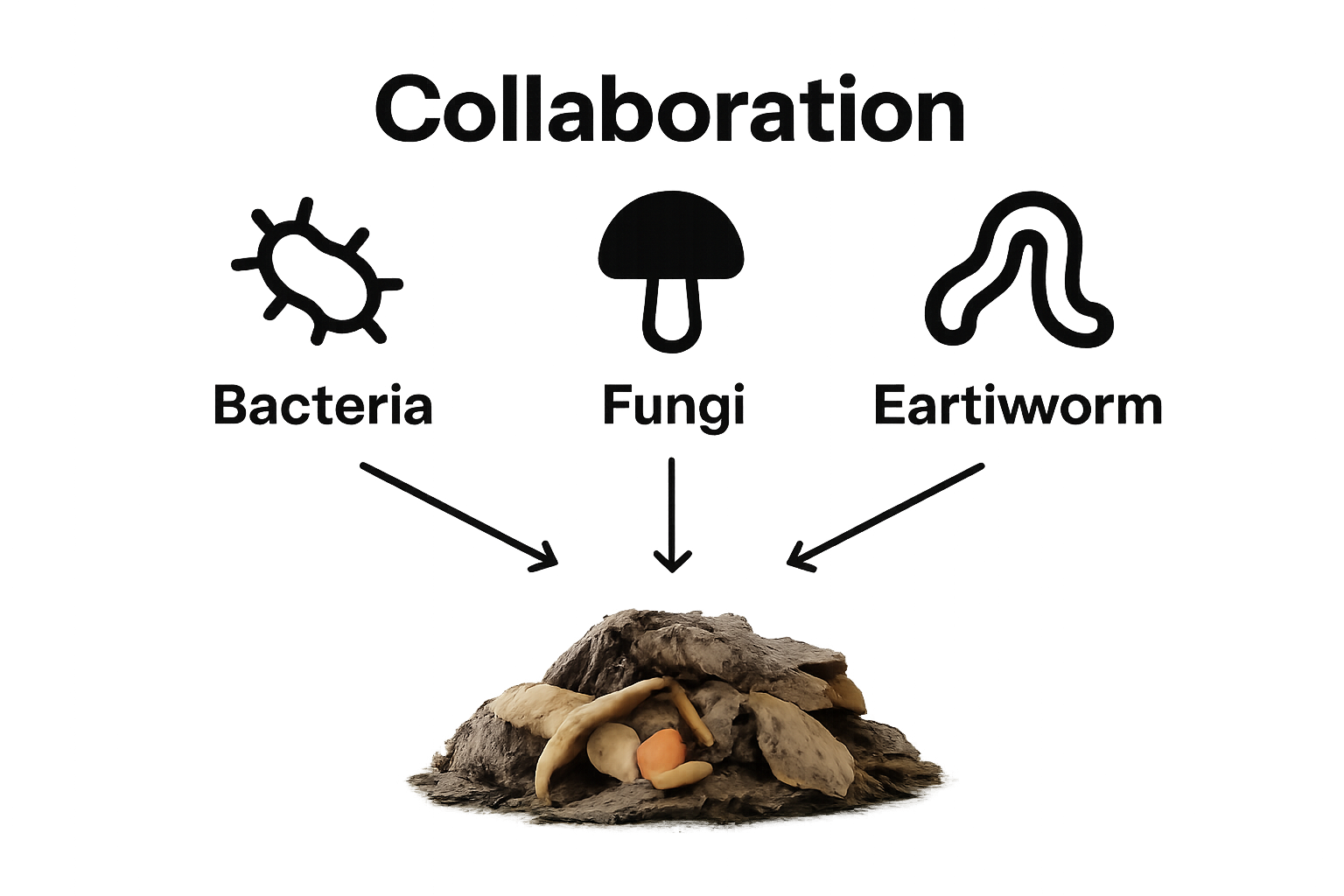 Bacteria, fungi, and actinomycetes play critical roles in transforming complex organic materials into simpler nutrient forms. Learn practical composting techniques for hospitality businesses to see these concepts in action.
Key types of decomposer organisms include:
- Bacteria: Breaking down soft, simple organic materials
- Fungi: Decomposing more complex woody and fibrous substances
- Actinomycetes: Processing challenging organic compounds
- Larger organisms like earthworms: Facilitating physical fragmentation
Fundamental Decomposition Parameters
According to the Food and Agriculture Organization, several critical parameters influence organic matter decomposition. Carbon-to-nitrogen ratio, moisture content, temperature, and oxygen availability are essential factors determining decomposition efficiency.
These parameters interact dynamically to create optimal conditions for microbial activity.
The following table summarizes the main types of decomposer organisms and their primary roles in organic matter decomposition as described in the article.
| Decomposer Type | Primary Role | Typical Materials Decomposed |
|---|---|---|
| Bacteria | Break down soft, simple organic materials | Leaves, plant residues, simple organics |
| Fungi | Decompose complex, woody and fibrous substances | Wood, bark, tough plant materials |
| Actinomycetes | Process challenging organic compounds | Cellulose, lignin, chitin |
| Earthworms & Others | Facilitate physical fragmentation | General detritus, large organic fragments |
This table outlines the environmental factors influencing the rate and efficiency of organic matter decomposition highlighted in the article.
| Environmental Factor | Effect on Decomposition Rate | Optimal Condition |
|---|---|---|
| Temperature | Affects microbial activity and speed | Moderate; not too hot or cold |
| Moisture Content | Supports enzyme action and microbial life | Adequate moisture; not too dry or wet |
| Oxygen Availability | Enables aerobic decomposition | Well-aerated; sufficient oxygen present |
| Carbon-to-Nitrogen Ratio | Balances nutrient availability | Balanced ratio (not too high or low) |
| Organic Material Composition | Determines breakdown complexity | Diverse and varied organic substances |
Real-World Applications of Organic Matter Decomposition
Organic matter decomposition transcends theoretical concepts, offering practical solutions across multiple industries and environmental management strategies. From agriculture to waste management, this natural process provides innovative approaches to sustainability and resource optimization.
Agricultural and Environmental Restoration
Sustainable agriculture relies heavily on organic matter decomposition as a fundamental mechanism for soil health and crop productivity. Composting techniques transform organic waste into nutrient-rich soil amendments, reducing synthetic fertilizer dependency and promoting ecological balance. Explore bioplastic innovations to understand how sustainable materials integrate with decomposition principles.
Key agricultural applications include:
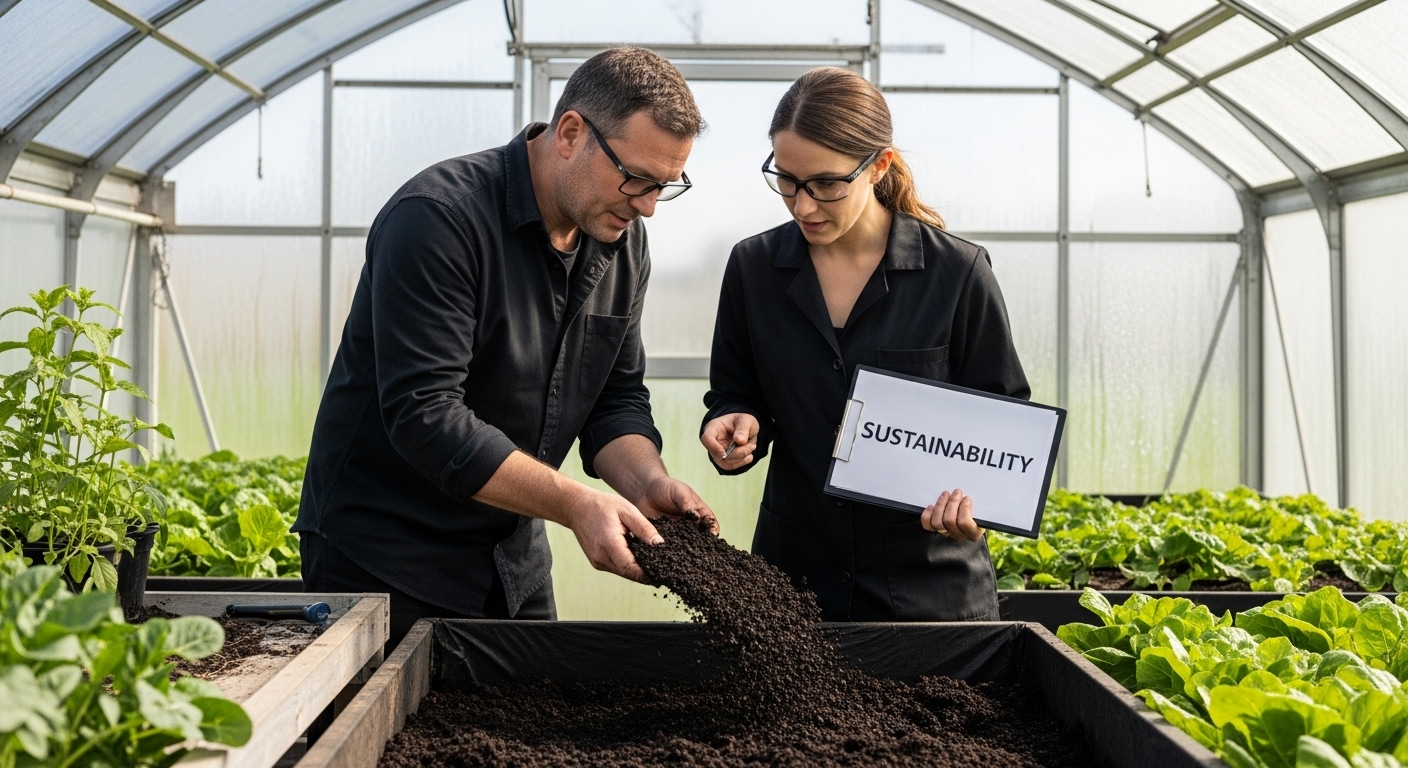
- Improving soil structure and fertility
- Enhancing water retention capabilities
- Supporting beneficial microbial ecosystems
- Reducing agricultural carbon footprint
- Minimizing synthetic fertilizer requirements
Waste Management and Bioremediation
According to the National Center for Biotechnology Information, organic matter decomposition plays a crucial role in environmental cleanup processes. Specific microbial strains can degrade complex pollutants, transforming contaminated environments through advanced bioremediation techniques.
Beyond pollution management, decomposition offers comprehensive waste reduction strategies across industries, converting organic materials into valuable resources and minimizing environmental impact.
Bring True Sustainability to Your Business with Compostable Solutions
Are you searching for ways to reduce waste and truly close the loop on organic matter decomposition in your hospitality operations? The article highlights the crucial role of nutrient recycling and the need for products that support natural composting processes. Traditional single-use plastics undermine these goals and hinder your ability to create a genuine environmentally friendly experience for guests. With The Ocean Straw, you can actively support ecological health by choosing compostable straws that fit perfectly into the organic matter decomposition cycle discussed in the article.
Make the switch today and put your sustainability commitments into action. Explore our selection of wood and plant based compostable straws, which are designed for the HoreCa market and work seamlessly with the composting and nutrient recycling principles you just read about. Visit https://theoceanstraw.com now to lead by example and transform your business waste into real environmental value.
Frequently Asked Questions
What is organic matter decomposition?
Organic matter decomposition is the ecological process where complex organic materials break down into simpler compounds through biological and chemical transformations, primarily facilitated by microorganisms like bacteria and fungi.
Why is organic matter decomposition important for sustainability?
Organic matter decomposition is crucial for sustainability as it promotes nutrient recycling, enhances soil fertility, supports plant growth, reduces the need for synthetic fertilizers, and contributes to carbon sequestration, which helps mitigate climate change.
What factors influence the rate of organic matter decomposition?
The rate of organic matter decomposition is influenced by several factors, including temperature, moisture content, oxygen availability, and the carbon-to-nitrogen ratio of the material being decomposed. Optimal conditions accelerate the decomposition process, while extreme conditions can hinder it.
How can organic matter decomposition be applied in agriculture?
In agriculture, organic matter decomposition can be applied through composting techniques that convert organic waste into nutrient-rich soil amendments. This process improves soil health, enhances water retention, and supports beneficial microbial ecosystems, promoting sustainable farming practices.