Newsroom
Understanding Closed Loop Supply Chain for Hospitality
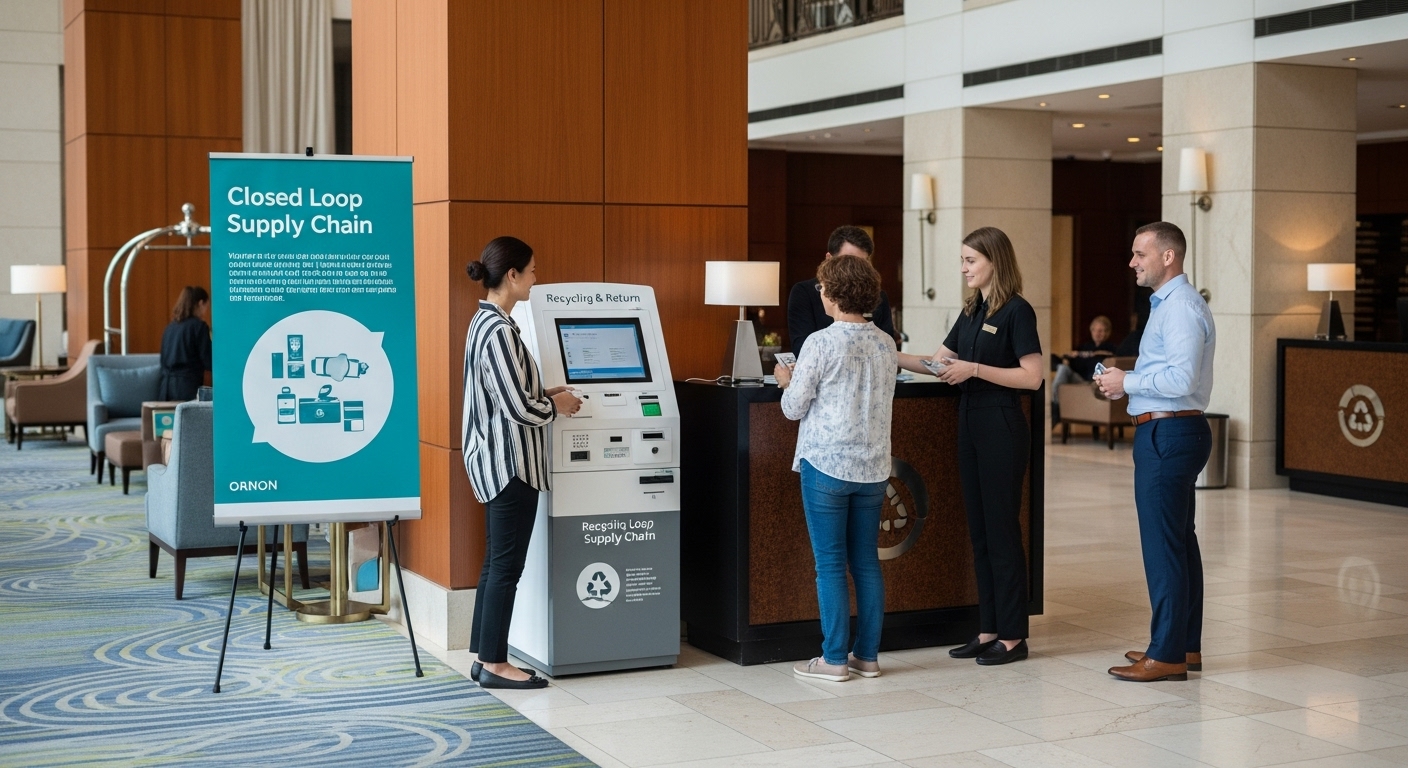
Understanding Closed Loop Supply Chain for Hospitality
Hotels and restaurants toss out an incredible amount of waste every year, from food scraps to mountains of used linens. But what if those so-called leftovers could spark new value instead of heading for the landfill? Some hospitality businesses are flipping the script with closed loop supply chains, and the wild part is that cutting waste can drop procurement and disposal costs while creating new revenue streams. The secret is not in recycling a little more, but in building a system that turns yesterday’s trash into tomorrow’s resources.
Table of Contents
- Defining Closed Loop Supply Chain: Core Concepts
- Importance Of Closed Loop Supply Chain In Hospitality
- Mechanisms Behind Closed Loop Supply Chain Operations
- Benefits Of Implementing Closed Loop Supply Chain Strategies
- Real-World Examples Of Closed Loop Supply Chain In Hospitality
Quick Summary
| Takeaway | Explanation |
|---|---|
| Implement reverse logistics for sustainability | Effective recovery of products reduces waste and supports environmental goals. |
| Prioritize collaboration across the supply chain | Engage with partners for seamless material recovery and efficiency improvements. |
| Redesign products for recovery and reuse | Products need to be created with end-of-life considerations to maximize resource value. |
| Monitor and track material flows effectively | Advanced technology ensures efficient recovery and optimal resource utilization. |
| Transform waste into valuable resources | Convert food scraps and old equipment into compost or new products for economic gain. |
Defining Closed Loop Supply Chain: Core Concepts
A closed loop supply chain represents an advanced logistics strategy where materials and products flow through a continuous cycle of production, consumption, and recovery. Unlike traditional linear supply chains that follow a “take-make-dispose” model, closed loop systems create a regenerative approach that minimizes waste and maximizes resource efficiency.
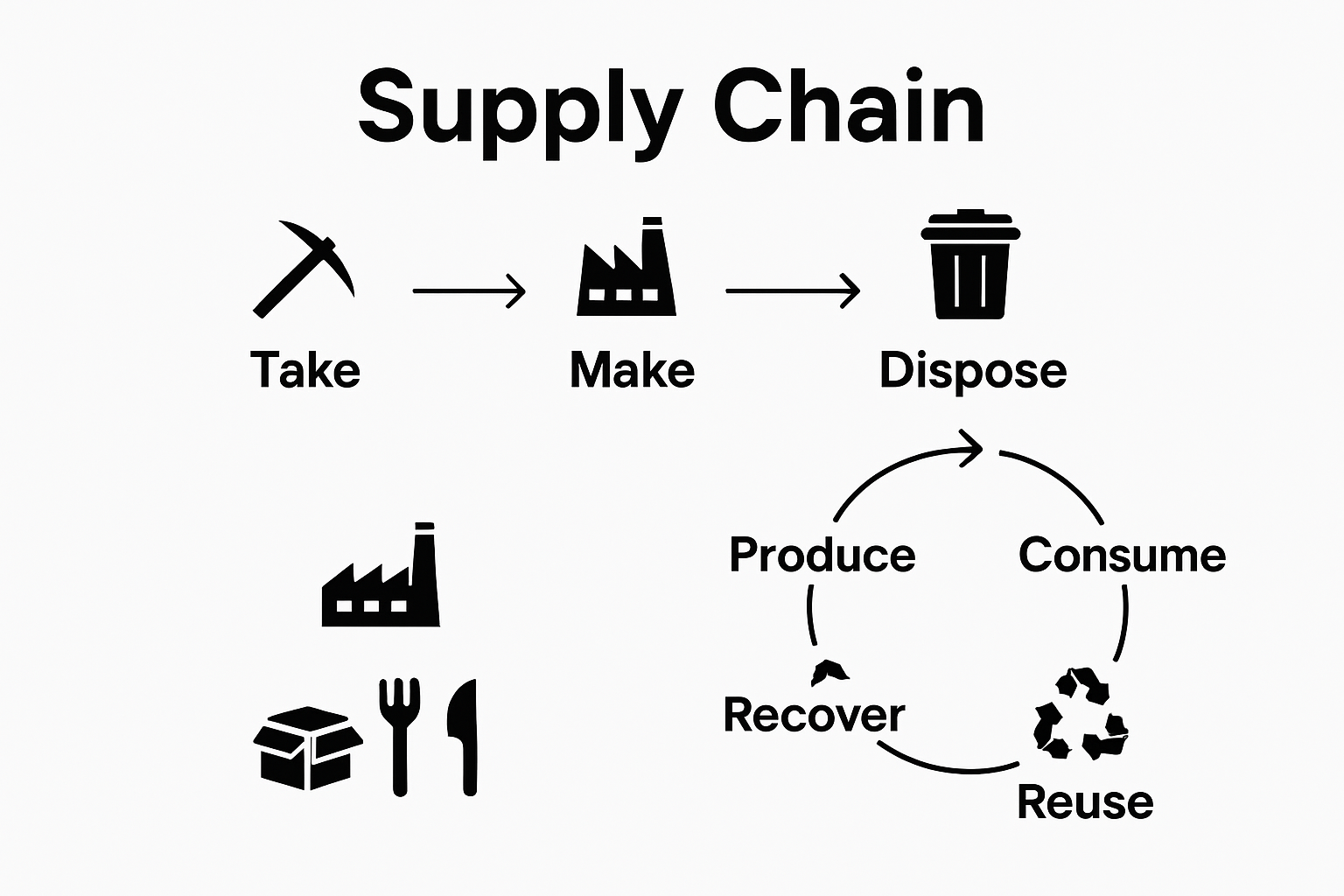
Understanding the Fundamental Mechanics
At its core, a closed loop supply chain transforms how businesses manage resources by integrating forward and reverse logistics. This means products are not simply discarded after initial use but are systematically collected, processed, and reintroduced into the production cycle. According to research from Springer, the primary objectives of a closed loop supply chain include:
- Reducing raw material consumption
- Minimizing environmental impact
- Creating economic value from product recovery
- Extending product lifecycle
Economic and Environmental Implications
For hospitality businesses, implementing a closed loop supply chain goes beyond environmental responsibility. It represents a strategic approach to resource management that can significantly reduce operational costs. By recovering and recycling materials such as packaging, kitchen equipment, and consumables, hotels and restaurants can create substantial economic value.
The process typically involves multiple stages: product design, forward distribution, consumption, collection, remanufacturing, and remarketing.
The table below organizes the key stages of a closed loop supply chain in hospitality, summarizing the purpose and examples relevant to the industry for clearer insight into each step.
| Stage | Purpose | Example in Hospitality |
|---|---|---|
| Product Design | Enable recovery, reuse, and recycling at end-of-life | Designing linens for easy recycling |
| Forward Distribution | Deliver products to their initial point of use | Supplying kitchen equipment to hotels |
| Consumption | Products are used by end customers | Guests use linens and restaurant food |
| Collection | Gather used products or materials after consumption | Collecting used linens and food waste |
| Remanufacturing/Recycling | Process materials for reuse, repair, or recycling | Repurposing linens or converting food to compost |
| Remarketing | Introduce recovered products back into use or market | Selling refurbished equipment or compost |
Closing the loop requires sophisticated tracking systems, robust reverse logistics infrastructure, and a commitment to sustainable practices. Hospitality managers must develop comprehensive strategies that incentivize product return, create efficient processing mechanisms, and design products with recovery and reuse in mind.
Ultimately, a closed loop supply chain is not just an environmental strategy but a holistic business model that balances economic performance with sustainable resource management.
Importance of Closed Loop Supply Chain in Hospitality
The hospitality industry faces significant challenges in managing resources efficiently while maintaining sustainability commitments. Closed loop supply chains emerge as a transformative solution that addresses both environmental concerns and economic performance for hotels, restaurants, and other hospitality businesses.
Environmental and Economic Drivers
Implementing a closed loop supply chain in hospitality is not merely an ecological choice but a strategic business decision. According to sustainable hospitality research, the approach provides multiple critical advantages:
- Dramatically reducing waste generation
- Lowering procurement and disposal costs
- Enhancing brand reputation among environmentally conscious consumers
- Creating new revenue streams from material recovery
Practical Implementation Strategies
For hospitality businesses, closed loop supply chains require comprehensive strategies that integrate multiple operational dimensions. This means rethinking traditional procurement, consumption, and waste management processes. Key focus areas include redesigning product lifecycles, establishing efficient collection mechanisms, and developing advanced recycling and remanufacturing capabilities.
Specific hospitality applications might involve recovering and repurposing materials like kitchen equipment, linens, packaging, and food waste. For instance, a hotel could collect used cooking oils for biodiesel production, transform worn-out linens into cleaning rags, or convert food waste into compost for landscaping.
The approach demands collaboration across the entire supply chain. Hospitality managers must work closely with suppliers, waste management partners, and recycling facilities to create seamless material recovery systems. This collaborative model ensures that resources are continuously circulated, minimizing environmental impact while generating economic value.
Moreover, closed loop supply chains position hospitality businesses as leaders in sustainable practices. As consumer awareness about environmental responsibility grows, organizations that demonstrate genuine commitment to circular economy principles will likely gain significant competitive advantages.
Mechanisms Behind Closed Loop Supply Chain Operations
Closed loop supply chain operations represent a sophisticated system of material management that requires intricate mechanisms to transform traditional linear processes into circular economic models. Strategic coordination and advanced technological integration are essential for successfully implementing these complex operational frameworks.
Reverse Logistics Framework
Reverse logistics forms the cornerstone of closed loop supply chain mechanisms.
According to institutional theory research, this process involves systematically tracking, collecting, and reintegrating used products and materials back into production cycles. The framework encompasses several critical stages:
- Product collection and sorting
- Quality assessment and grading
- Remanufacturing or recycling processes
- Reintroduction into market channels
Technological and Operational Enablers
Successful closed loop supply chain operations depend on sophisticated technological infrastructure. Advanced tracking systems, digital inventory management, and real-time monitoring technologies enable precise material tracking and efficient recovery processes. These systems help businesses understand product lifecycles, predict recovery potential, and optimize resource allocation.
Hospitality businesses must develop robust tracking mechanisms that allow comprehensive visibility into product movements. This involves implementing digital platforms that can trace materials from initial production through multiple use cycles, ensuring maximum value extraction and minimal waste generation.
The mechanism also requires developing strong partnerships across the supply chain. Suppliers, manufacturers, waste management companies, and recycling facilities must collaborate closely to create seamless material recovery networks. This collaborative approach transforms traditional transactional relationships into integrated circular economy ecosystems.
Ultimately, closed loop supply chain mechanisms represent a paradigm shift from linear consumption models to regenerative resource management strategies that balance economic efficiency with environmental sustainability.
Benefits of Implementing Closed Loop Supply Chain Strategies
Closed loop supply chain strategies offer hospitality businesses a comprehensive approach to resource management that delivers substantial economic and environmental advantages. Strategic implementation of these systems transforms traditional operational models into dynamic, sustainable business practices.
Economic Performance Enhancement
Implementing closed loop supply chain strategies directly impacts financial performance. According to Green Supply Chain Management research, organizations can achieve significant economic benefits through strategic resource recovery and reuse:
- Reduced raw material procurement costs
- Lower waste management expenses
- Enhanced asset utilization
- Creation of additional revenue streams from recycled materials
Sustainability and Brand Reputation
Beyond financial gains, closed loop supply chain strategies provide powerful sustainability credentials. Hospitality businesses can demonstrate environmental leadership by systematically reducing waste, minimizing resource consumption, and creating circular economic models. These practices resonate strongly with environmentally conscious consumers who increasingly make purchasing decisions based on sustainability performance.
The approach enables businesses to transform potential waste into valuable resources. For example, a hotel might convert food waste into compost, repurpose used linens into cleaning materials, or recycle kitchen equipment components. Each of these actions represents a tangible demonstration of commitment to sustainable practices.
Moreover, closed loop strategies position hospitality organizations as innovative leaders in resource management. By showcasing advanced waste reduction techniques and circular economy principles, businesses can differentiate themselves in a competitive market, attracting both environmentally aware customers and potential investors who prioritize sustainable business models.
Ultimately, closed loop supply chain strategies represent a holistic approach to business management that simultaneously addresses economic efficiency, environmental responsibility, and long-term organizational resilience.
Real-World Examples of Closed Loop Supply Chain in Hospitality
Closed loop supply chain strategies have transitioned from theoretical concepts to practical implementations across the hospitality industry. Innovative organizations are demonstrating how circular economic principles can be effectively integrated into everyday business operations, creating sustainable and economically viable models.
Food and Beverage Waste Transformation
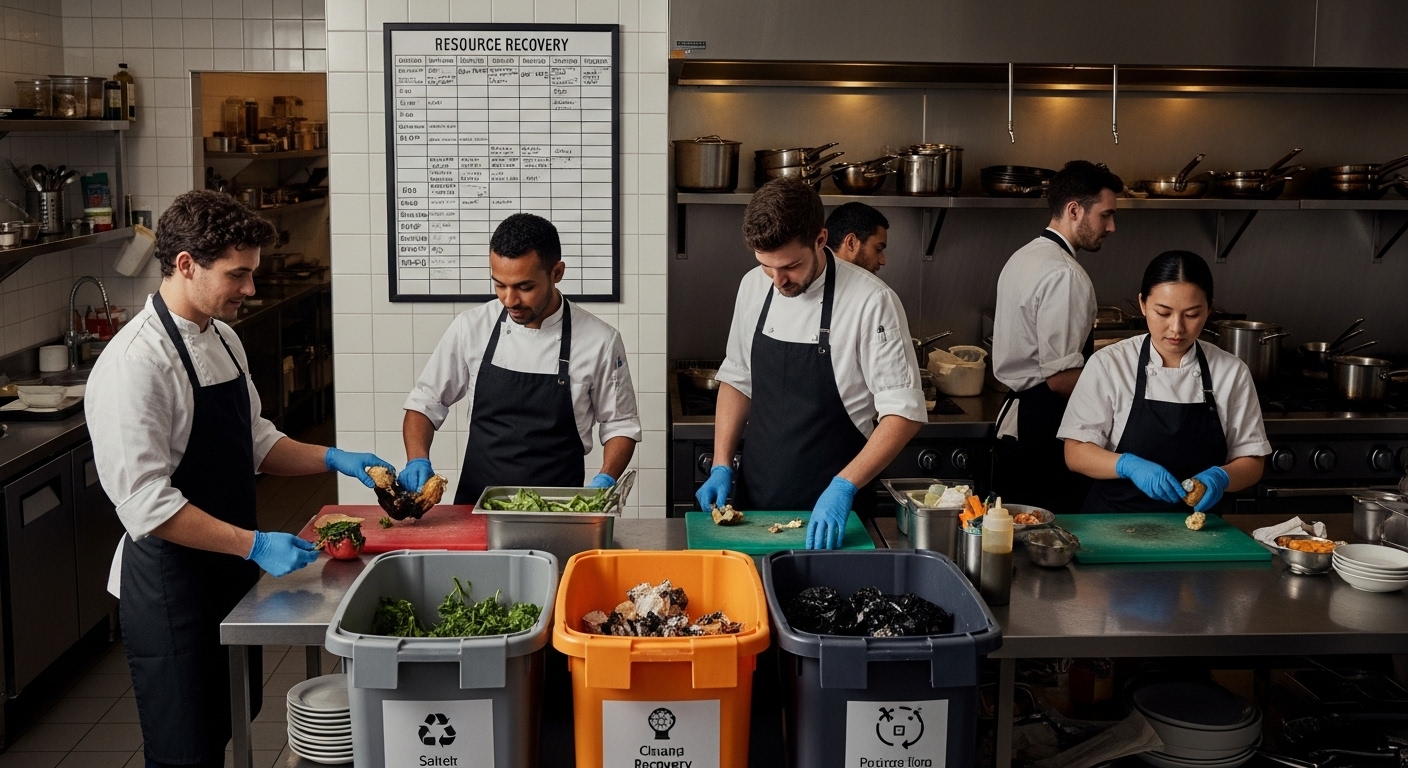
According to circular economy research, successful closed loop supply chain implementations often begin with food waste management. Hospitality businesses are developing sophisticated systems that transform potential waste into valuable resources:
- Converting kitchen food scraps into compost for on-site or local agricultural use
- Partnering with local farms to use food waste as animal feed
- Generating biogas from organic waste materials
- Creating value-added products from food byproducts
Linen and Equipment Recycling Programs
Hotels and restaurants are pioneering comprehensive recycling programs for textiles and equipment. These initiatives involve collecting used linens, uniforms, and kitchen equipment, then systematically processing them for renewed use. For instance, worn-out hotel linens might be transformed into cleaning rags, maintenance cloths, or donated to community organizations.
Some hospitality groups have established partnerships with textile recycling companies that specialize in breaking down fabric materials and remanufacturing them into new textile products. This approach extends the lifecycle of materials, reduces waste, and creates additional revenue streams through material recovery.
Equipment recycling programs similarly focus on dismantling, refurbishing, and repurposing kitchen and maintenance equipment. By carefully assessing and repairing components, hospitality businesses can significantly extend equipment lifecycles while minimizing environmental impact and procurement costs.
These real-world examples demonstrate that closed loop supply chain strategies are not merely theoretical constructs but practical, implementable solutions that offer tangible benefits for hospitality businesses committed to sustainable practices.
Transform Your Hospitality Supply Chain with Compostable Solutions
Is your hospitality business struggling to keep up with growing sustainability demands or finding it challenging to create a truly circular supply model? Many hotels and restaurants want to reduce waste and lower costs, but traditional supply chains do not support closed loop resource recovery or responsible product choices. The article highlighted the importance of integrating closed loop supply chains and circular systems for reducing waste, elevating your brand reputation, and meeting new expectations from eco-conscious guests. One of the most immediate and effective changes you can make is choosing products that are designed for recovery and composting right from the start.
Take the next step toward a circular future today with compostable, plant-based straws from The Ocean Straw. Our products support closed loop principles by offering hospitality professionals a simple swap that cuts single-use plastic and aligns with your sustainability goals. Visit https://theoceanstraw.com now to see how you can help your business meet regulations, impress your guests, and play a real part in reducing your environmental impact. Don’t let your supply chain fall behind. Make the switch to professional compostable solutions for forward-thinking hospitality businesses.
Frequently Asked Questions
What is a closed loop supply chain?
A closed loop supply chain is an advanced logistics strategy where materials and products flow through a continuous cycle of production, consumption, and recovery, minimizing waste and maximizing resource efficiency.
How does closed loop supply chain benefit the hospitality industry?
Implementing a closed loop supply chain allows hospitality businesses to reduce waste, lower operational costs, enhance brand reputation, and create new revenue streams through the recovery of materials.
What are some examples of closed loop supply chain practices in hospitality?
Examples include converting food waste into compost, recycling linens into cleaning rags, and refurbishing kitchen equipment to extend its lifecycle.
What are the key components necessary for implementing a closed loop supply chain?
Key components include sophisticated tracking systems, robust reverse logistics infrastructures, partnerships with suppliers and recycling facilities, and strategies focusing on product recovery and reuse.