Newsroom
Top Benefits of Zero Waste for Hotels and Restaurants 2025
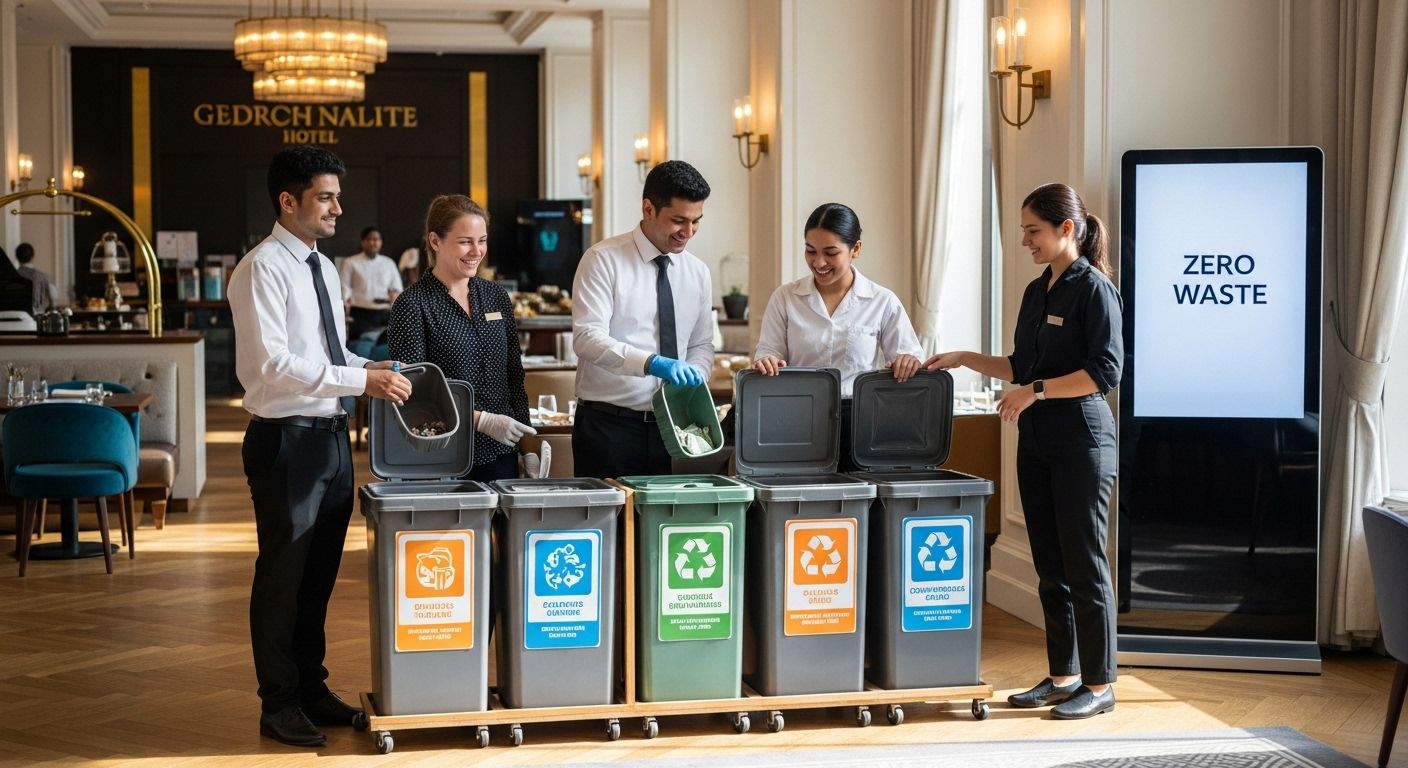
Top Benefits of Zero Waste for Hotels and Restaurants 2025
Hotels and restaurants are under growing pressure to rethink their approach to waste as guests expect cleaner, more sustainable options each year. Surprisingly, adopting zero waste strategies is not only about saving the planet. It is actually a money saver too. Businesses report reducing waste disposal costs by as much as 30 percent with zero waste efforts, turning eco-friendly habits into real financial wins.
Table of Contents
- How Zero Waste Lowers Operational Costs
- Boosting Hotel and Restaurant Reputation
- Supporting Sustainable Purchasing and Supply Chains
- Steps to Start Zero Waste in Your Business
Quick Summary
| Takeaway | Explanation |
|---|---|
| Implement zero waste to cut costs. | Businesses can reduce waste disposal expenses by 20-30%, saving significant operational costs. |
| Enhance reputation through sustainability. | Adopting eco-friendly practices improves brand image and can attract more customers. |
| Invest in sustainable procurement. | Strategic supplier partnerships can enhance supply chain sustainability and reduce environmental impact. |
| Conduct waste audits for improvement. | Regular waste audits identify waste sources and inform effective reduction strategies. |
| Engage customers and staff in initiatives. | Active participation in sustainability efforts fosters loyalty and reinforces company values. |
How Zero Waste Lowers Operational Costs
Zero waste strategies are not just environmental initiatives. They represent a powerful financial optimization approach for hotels and restaurants seeking to dramatically reduce operational expenses and improve bottom-line performance.
Direct Cost Reduction Through Waste Management
Implementing comprehensive zero waste programs delivers substantial economic benefits by minimizing waste disposal expenses. Research from the Sustainable Hospitality Alliance reveals that typical hospitality businesses can reduce waste management costs by 20-30% through strategic waste reduction techniques.
The financial impact becomes particularly pronounced in food service operations. According to Hilton San Francisco Union Square’s case study, their targeted waste diversion strategy saved $200,000 in the first year alone. This demonstrates that zero waste is more than an environmental commitment it is a serious financial strategy.
Procurement and Inventory Optimization
Zero waste principles fundamentally transform procurement strategies. By carefully analyzing waste streams, businesses can identify precise inventory needs, reducing overordering and minimizing food spoilage. Hotels and restaurants can strategically purchase ingredients with longer shelf lives, implement better storage techniques, and develop more accurate forecasting models.
Moreover, food waste reduction directly translates to cost savings. Hotel management studies indicate that businesses can save $7 in operating costs for every $1 invested in reducing kitchen food waste. Some properties have successfully lowered food costs by 3% or more through disciplined inventory management.
Long-Term Financial and Operational Benefits
Beyond immediate cost savings, zero waste strategies create comprehensive operational efficiencies. By redesigning workflows, training staff, and implementing smart tracking systems, businesses establish more streamlined and economically robust operational models.
Additionally, zero waste initiatives often qualify for potential tax incentives, grants, and sustainability certification programs that can provide additional financial advantages. Forward-thinking hotels and restaurants recognize that these strategies are not expense centers but strategic investments yielding measurable financial returns.
The economic argument for zero waste is clear: it represents a sophisticated approach to reducing costs, enhancing operational efficiency, and positioning businesses for long-term sustainable growth.
To help visualize the financial benefits of zero waste, the following table summarizes key cost-saving statistics and strategies mentioned in this section:
| Strategy or Statistic | Description/Impact |
|---|---|
| Waste disposal cost reduction | 20-30% reduction possible for typical hospitality businesses |
| Food service waste diversion (Hilton SF case study) | $200,000 saved in the first year |
| ROI from food waste reduction | $7 saved for every $1 invested in kitchen food waste reduction |
| Food cost savings from better inventory management | 3% or more reduction in food costs |
| Potential additional benefits | Eligibility for tax incentives, grants, certification programs |
Boosting Hotel and Restaurant Reputation
Zero waste strategies have emerged as a powerful tool for hotels and restaurants to differentiate themselves and build a compelling brand reputation in an increasingly environmentally conscious market.
Creating a Positive Brand Image
In today’s competitive hospitality landscape, sustainability is no longer a niche consideration but a critical component of brand perception. Research published in the International Journal of Environmental Research and Public Health reveals that hotels’ eco-friendly activities significantly influence customer perceptions and behaviors.
Customers are increasingly making purchasing decisions based on a business’s environmental commitment. A study on green marketing strategies found that eco-friendly practices have a substantial positive effect on perceived brand quality. This means zero waste initiatives are not just environmental actions but strategic reputation management tools that can set a business apart from competitors.
Enhancing Customer Loyalty and Attraction
Zero waste practices directly impact customer loyalty and attraction. Research from the International Journal of Hospitality Management demonstrates that sustainable management practices significantly increase guest loyalty intentions. Customers are more likely to return to and recommend businesses that demonstrate a genuine commitment to environmental responsibility.
Moreover, younger generations particularly millennials and Gen Z are more likely to choose and remain loyal to businesses with strong sustainability credentials. By implementing visible zero waste strategies, hotels and restaurants can attract and retain these environmentally conscious customer segments.
Generating Positive Media and Social Media Attention
Zero waste initiatives offer excellent opportunities for positive media coverage and social media storytelling. Businesses that transparently share their sustainability journey can generate significant positive publicity. This approach not only enhances reputation but also provides free marketing through earned media and user-generated content.
Restaurants and hotels can leverage their zero waste efforts by creating engaging content about their initiatives. Sharing specific achievements like waste reduction percentages, innovative recycling programs, or creative food waste prevention strategies can capture public interest and demonstrate corporate social responsibility.
The reputation benefits of zero waste extend beyond immediate marketing advantages. They represent a fundamental shift in how businesses are perceived demonstrating forward-thinking leadership, environmental stewardship, and a commitment to sustainable practices that resonate with modern consumers.
Supporting Sustainable Purchasing and Supply Chains
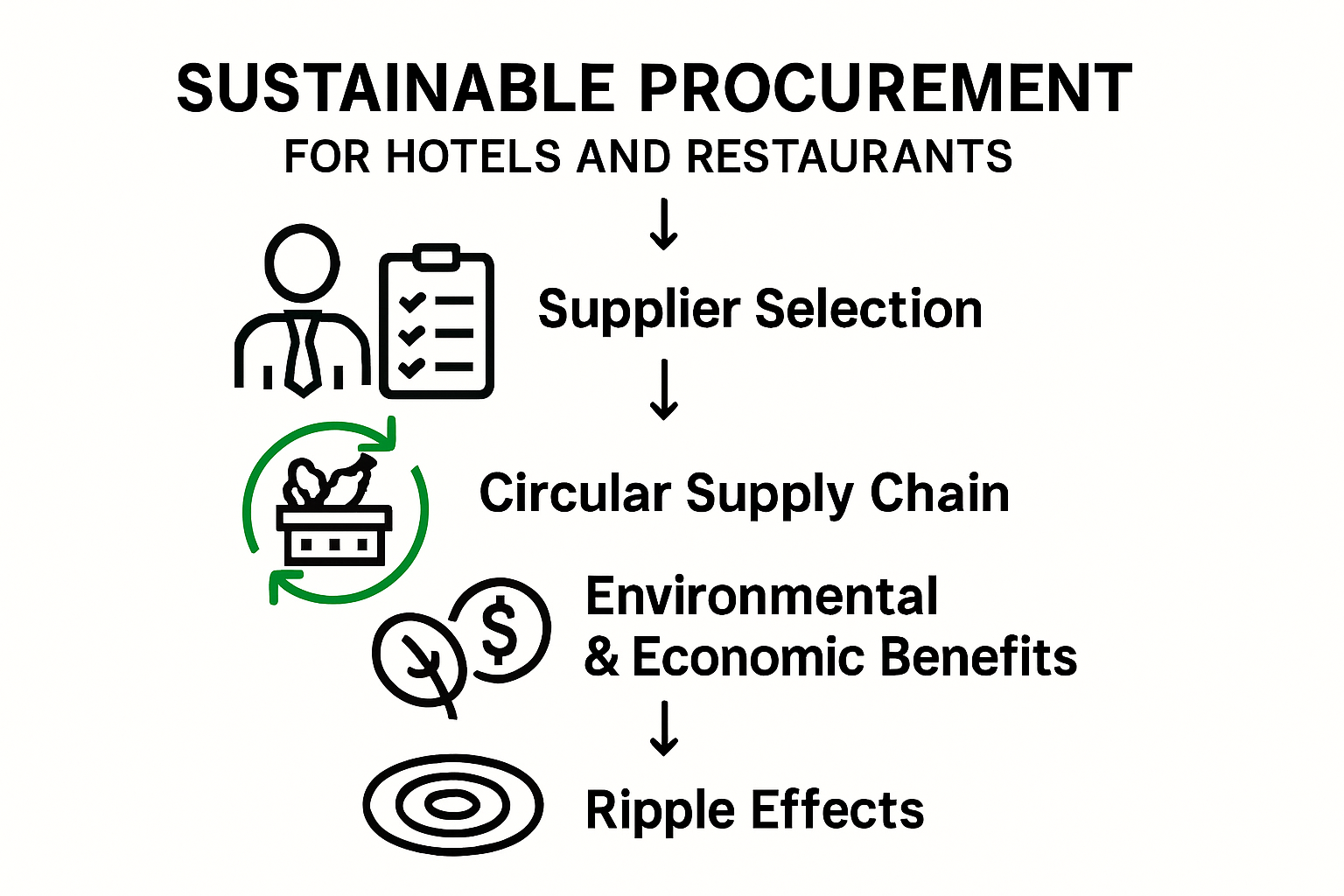
Sustainable purchasing represents a critical strategy for hotels and restaurants to transform their environmental impact and create meaningful change through their supply chain networks.
Strategic Supplier Selection and Collaboration
Zero waste strategies begin with intentional supplier relationships. Research from StopWaste reveals that sustainable purchasing practices deliver comprehensive benefits including greenhouse gas reductions, energy conservation, waste prevention, and chemical exposure mitigation.
The hospitality industry is increasingly recognizing the importance of responsible sourcing. According to the Responsible Stay organization, 46.5% of hotels now purchase at least half of their food and beverage items from fair trade sources. This shift demonstrates a growing commitment to ethical and environmentally conscious procurement strategies.
Developing Circular Supply Chain Models
Circular supply chains represent the future of sustainable hospitality procurement. By prioritizing suppliers who embrace zero waste principles, hotels and restaurants can create regenerative economic models that minimize environmental impact while maintaining high-quality standards.
Key strategies include selecting suppliers who:
- Utilize recyclable packaging
- Implement renewable energy in production
- Offer products with minimal environmental footprint
- Demonstrate transparent sustainability practices
For an at-a-glance view, the table below outlines key supplier criteria and sustainable procurement benefits mentioned in this section:
| Supplier Criteria | Description/Benefit |
|---|---|
| Recyclable packaging | Reduces landfill waste and packaging disposal costs |
| Renewable energy use in production | Lowers carbon and energy footprint |
| Minimal environmental product footprint | Supports eco-friendly purchasing and consumer demand |
| Transparent sustainability practices | Enables verification and builds confidence in sustainable supply |
| Fair trade sourcing (46.5% of hotels) | Strengthens ethical purchasing |
| Greenhouse gas reduction | Environmental benefit of sustainable supplier partnerships |
| Energy/waste/chemical reductions | Operational cost savings and safer supply chain |
Economic and Environmental Benefits
Sustainable purchasing is not just an environmental imperative but a strategic business decision. Hospitality industry research indicates that zero-waste practices contribute to reduced operational costs, enhanced reputation, and alignment with growing eco-conscious consumer demands.
By transforming supply chain dynamics, businesses can create a ripple effect of sustainability. Each purchasing decision becomes an opportunity to support environmentally responsible practices, encourage supplier innovation, and drive industry-wide transformation towards more sustainable operational models.
The future of hospitality lies in recognizing that sustainable purchasing is not a cost but an investment in long-term environmental and economic resilience.
Steps to Start Zero Waste in Your Business
Transitioning to a zero waste business model requires strategic planning, commitment, and a comprehensive approach that touches every aspect of operations. By implementing targeted strategies, hotels and restaurants can significantly reduce waste and create more sustainable business practices.
Conducting Comprehensive Waste Audits
The Food and Agriculture Organization recommends starting with a detailed waste audit to understand current waste generation patterns. This process involves systematically tracking and measuring waste across different business areas, identifying key sources of waste, and establishing baseline metrics for improvement.
A thorough waste audit should examine:
- Food waste volumes in kitchen and dining areas
- Packaging materials used in procurement and service
- Disposal methods currently employed
- Potential recycling and composting opportunities
Implementing Strategic Waste Reduction Techniques
The National Restaurant Association outlines practical strategies for minimizing waste. These include precise inventory management, adjusting portion sizes to reduce plate waste, and reorganizing storage areas to prevent spoilage.
Key implementation techniques involve:
- Precise inventory tracking
- Flexible menu design that utilizes ingredient overlaps
- Creative repurposing of food trimmings
- Implementing staff training programs
Engaging Employees and Customers
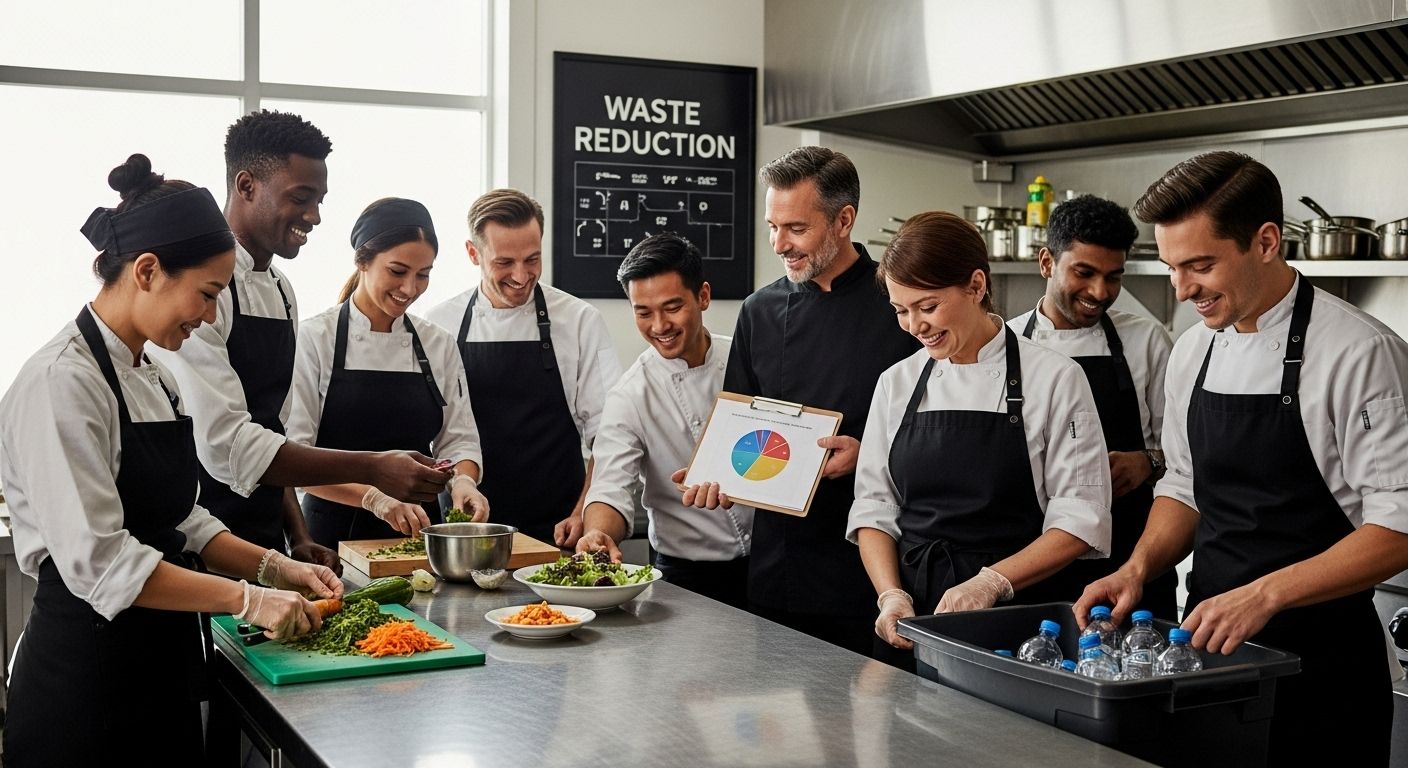
The City of Irvine’s zero waste guidelines emphasize the importance of creating a culture of sustainability. This means not just implementing systems but actively engaging both staff and customers in waste reduction efforts.
Effective engagement strategies include:
- Offering discounts for customers bringing reusable containers
- Creating transparent communication about sustainability goals
- Developing staff incentive programs for waste reduction
- Implementing comprehensive recycling and composting programs
Successful zero waste transformation is not an overnight process. It requires consistent effort, innovative thinking, and a commitment to continuous improvement. By breaking down the journey into manageable steps and maintaining a holistic perspective, businesses can create meaningful change that benefits both their bottom line and the environment.
Frequently Asked Questions
What are the financial benefits of implementing zero waste strategies in hotels and restaurants?
Implementing zero waste strategies can reduce waste disposal costs by 20-30%, improve procurement and inventory management, and create long-term operational efficiencies that lead to significant financial savings.
How can hotels and restaurants enhance their reputation through zero waste practices?
By adopting zero waste initiatives, hotels and restaurants can create a positive brand image, attract environmentally conscious customers, and generate positive media attention, all of which contribute to improved customer loyalty and increased patronage.
What steps should businesses take to start transitioning to a zero waste model?
Businesses should conduct comprehensive waste audits, implement strategic waste reduction techniques, and engage both employees and customers in sustainability efforts to ensure a successful transition to a zero waste model.
How does zero waste impact procurement and supply chain processes?
Zero waste practices lead to optimized procurement strategies, including selecting suppliers who adhere to sustainable practices, utilizing circular supply chain models, and reducing environmental impacts while maintaining high quality in products.
Upgrade Your Zero Waste Commitment with Compostable Straws
Many hotels and restaurants struggle to maintain real zero waste progress because traditional single-use products undo much of their hard work. As this article highlights, minimizing packaging waste and choosing sustainable materials are key steps in achieving both operational savings and an enhanced eco-friendly reputation. If your business wants to back up its green promises, one of the simplest switches you can make is moving away from plastic straws.
Discover the difference with The Ocean Straw. Our plant-based and wood straws are not just compostable—they directly respond to the goals and pain points discussed in the article. Choose a product that aligns with your brand’s values and speaks to today’s growing customer expectation for real sustainability. Act now to show your guests and staff that your zero waste strategy starts with everyday choices. Visit https://theoceanstraw.com and learn how easy it is to switch today.
Recommended
-
[
Hotellmagasinet – TOS Norway AS