Newsroom
Top Tips for Reducing Plastic Waste in Hotels and Restaurants 2025
Top Tips for Reducing Plastic Waste in Hotels and Restaurants 2025
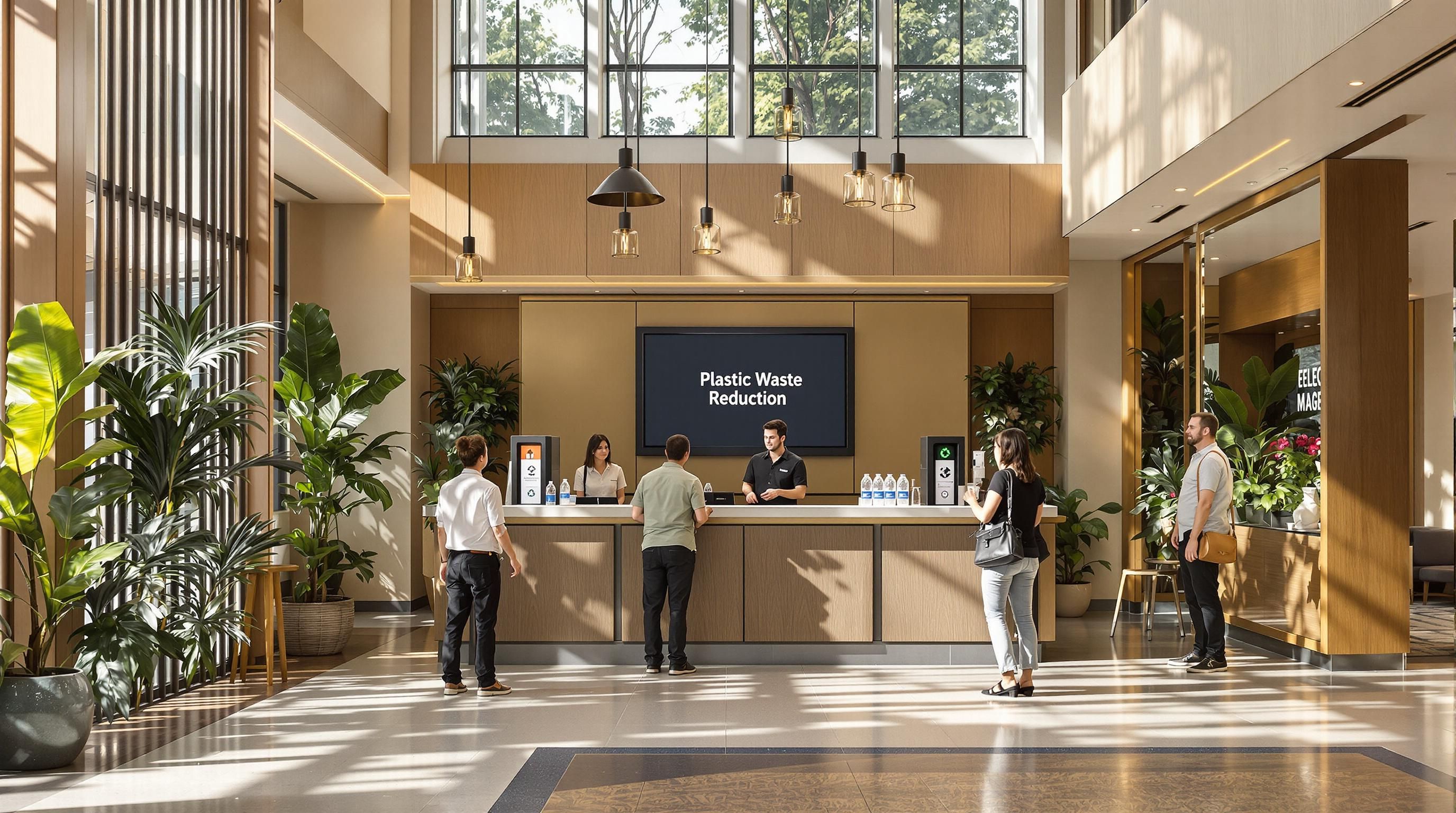
Hotels and restaurants are drowning in plastic, tossing out up to 70 percent more waste than residential spaces, much of it single-use plastic. Most people think the problem comes from packaging and straws, and that tossing them in the right bin is enough. Real change actually starts behind the scenes, where smart buying moves and unexpected guest engagement make all the difference.
Table of Contents
- Understanding Plastic Waste In Hospitality Industry
- Smart Purchasing Decisions To Cut Plastic Use
- Engaging Staff And Guests In Plastic Reduction
- Innovative Alternatives And Sustainable Solutions
Quick Summary
| Takeaway | Explanation |
|---|---|
| Reduce single-use plastics now | Focus on eliminating items like water bottles and mini toiletries to lower environmental impact. |
| Engage staff in training programs | Equip employees with knowledge and skills to effectively reduce waste throughout operations. |
| Prioritize sustainable purchasing | Choose products with minimal packaging and explore durable alternatives to lower plastic use. |
| Involve guests in initiatives | Foster guest participation through awareness campaigns and incentivized recycling efforts for greater impact. |
| Adopt innovative materials and technologies | Utilize biodegradable packaging and smart waste management systems for sustainable operations. |
Understanding Plastic Waste in Hospitality Industry
Plastic waste has become a critical environmental challenge for the hospitality industry, with hotels and restaurants generating substantial volumes of single-use plastic materials that significantly impact global ecosystems. The scale of plastic consumption in this sector demands immediate and comprehensive strategies for reduction and sustainable management.
The Magnitude of Plastic Waste Generation
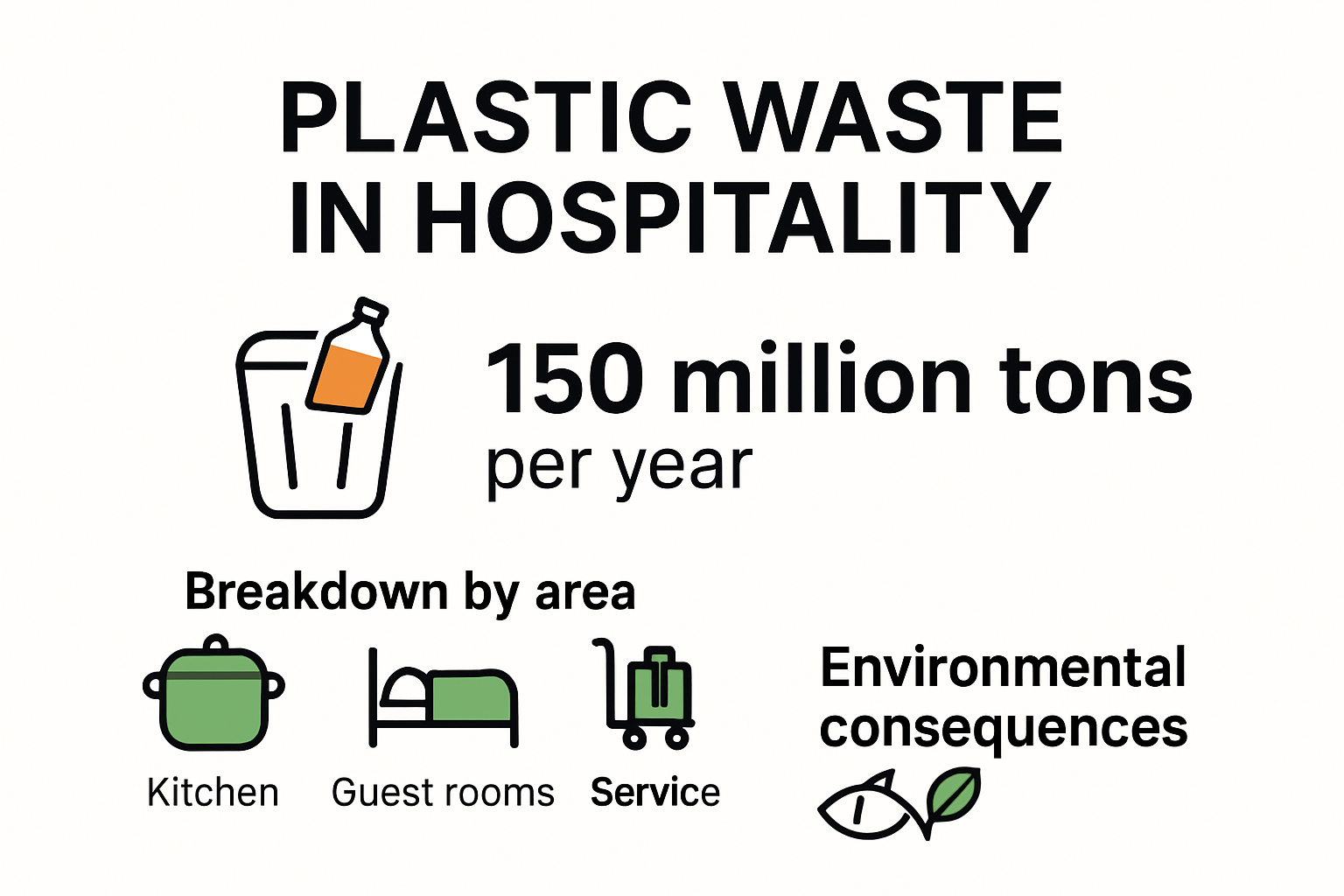
Research from the Sustainable Hospitality Alliance reveals that the hospitality sector generates immense quantities of plastic waste across multiple operational areas. From food packaging and amenity containers to disposable dining implements, hotels and restaurants produce thousands of tons of plastic waste annually. Single-use plastics represent the most problematic category, with items like plastic water bottles, bathroom amenities, and food packaging creating substantial environmental burdens.
The environmental implications are profound. Plastic waste not only contributes to landfill accumulation but also poses significant risks to marine ecosystems. Studies published in Environmental Research indicate that hospitality establishments can generate up to 70% more waste compared to residential spaces, with plastics comprising a substantial percentage of this total waste stream.
Operational Sources of Plastic Waste
Multiple operational areas within hotels and restaurants contribute to plastic waste generation. Kitchen operations produce significant plastic waste through packaging materials, food containers, and disposable utensils. Restaurant service areas generate plastic waste from single-use cutlery, straws, and packaging. Hotel rooms generate additional plastic waste through complimentary toiletries, water bottles, and packaging materials.
Key sources of plastic waste include:
- Packaging Materials: Food and beverage delivery containers
- Disposable Dining Implements: Plastic cutlery and single-use items
- Bathroom Amenities: Mini shampoo bottles and disposable hygiene products
- Beverage Services: Plastic water bottles and beverage containers
Economic and Environmental Implications
Reducing plastic waste is not just an environmental imperative but also an economic opportunity for hospitality businesses. Implementing sustainable practices can reduce operational costs, enhance brand reputation, and attract environmentally conscious consumers. Modern travelers increasingly prioritize establishments demonstrating genuine commitment to sustainability.
Transitioning away from single-use plastics requires strategic planning, investment in alternative materials, and a comprehensive approach to waste management. Successful reduction strategies involve reimagining existing processes, partnering with sustainable suppliers, and educating staff and guests about environmental responsibilities.
By understanding the complex dynamics of plastic waste generation, hospitality businesses can develop targeted strategies that minimize environmental impact while maintaining operational efficiency and guest satisfaction.
To illustrate the main operational sources of plastic waste in hospitality settings, the following table summarizes each source and its primary examples:
| Operational Area | Key Plastic Waste Sources | Examples |
|---|---|---|
| Kitchen Operations | Packaging materials | Food containers, delivery wrappers |
| Restaurant Service | Disposable dining implements | Cutlery, straws, packaging |
| Hotel Rooms | Bathroom amenities, single-use bottles | Mini toiletries, water bottles |
| Beverage Services | Plastic beverage containers | Bottles, drink cups |
Smart Purchasing Decisions to Cut Plastic Use
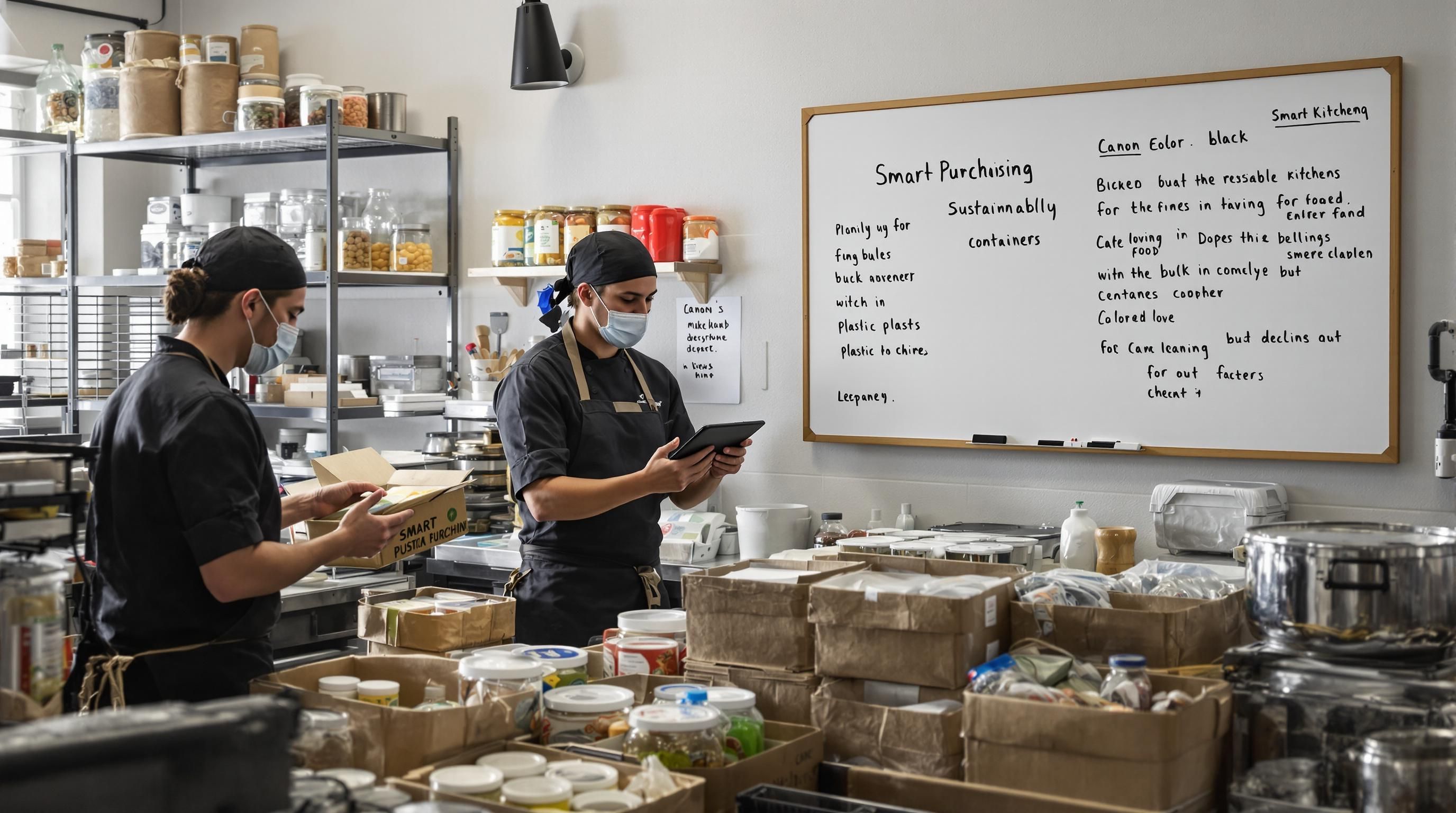
Smart purchasing represents a fundamental strategy for hotels and restaurants to significantly reduce plastic waste. By making intentional procurement choices, hospitality businesses can transform their environmental impact and create meaningful change across their entire operational ecosystem.
Strategic Product Selection Principles
Research from the Environmental Protection Agency emphasizes the critical importance of strategic product selection in waste reduction. Successful organizations focus on purchasing products with minimal packaging, prioritizing suppliers who demonstrate genuine commitment to sustainable practices.
Key purchasing strategies include:
- Bulk Purchasing: Selecting larger product quantities with reduced packaging
- Minimal Packaging: Choosing suppliers with lightweight, recyclable packaging
- Reusable Alternatives: Investing in durable products that replace single-use items
The procurement process requires a comprehensive approach that evaluates not just cost, but environmental impact. By implementing rigorous selection criteria, hospitality businesses can systematically reduce plastic consumption while maintaining operational efficiency.
Supplier Engagement and Sustainability Criteria
According to the Green Business Benchmark, successful plastic reduction demands active collaboration with suppliers. Organizations should develop clear sustainability requirements that incentivize environmentally responsible practices.
Effective supplier engagement involves:
- Establishing clear plastic reduction expectations
- Requesting transparent reporting on packaging materials
- Developing partnership models that reward sustainable practices
- Conducting regular sustainability audits
Cost-Effective Sustainable Procurement
Contrary to common misconceptions, sustainable purchasing can be economically advantageous. By adopting a long-term perspective, hospitality businesses can realize significant cost savings through reduced waste management expenses and improved operational efficiency.
Smart purchasing decisions involve:
- Analyzing total lifecycle costs of products
- Investing in high-quality, durable alternatives
- Negotiating with suppliers for sustainable packaging options
- Implementing comprehensive waste tracking systems
The transition to sustainable procurement is not merely an environmental imperative but a strategic business decision. By prioritizing smart purchasing decisions, hotels and restaurants can reduce plastic waste, enhance brand reputation, and demonstrate leadership in environmental stewardship.
Successful implementation requires commitment, creativity, and a holistic approach to procurement that views sustainability as a core business strategy rather than an optional consideration.
Engaging Staff and Guests in Plastic Reduction
Successful plastic waste reduction in hospitality settings requires a collaborative approach that actively involves both staff and guests. Creating a comprehensive engagement strategy transforms environmental goals from organizational mandates into shared commitments that drive meaningful change.
Staff Training and Empowerment
Research from the Sustainable Waste Management Strategies for Hotels underscores the critical role of employee education in waste reduction efforts. Staff members are frontline ambassadors who can significantly influence an organization’s sustainability performance through informed practices and proactive behaviors.
Effective staff engagement strategies include:
- Comprehensive sustainability training programs
- Regular workshops on plastic reduction techniques
- Performance incentives linked to environmental goals
- Creating internal sustainability champions
Organizations that invest in thorough staff training create a culture of environmental responsibility. Employees become active participants in plastic reduction, understanding their role in implementing sustainable practices across different operational areas.
Guest Awareness and Participation
The “Towards No Added Plastic Hospitality” guide highlights the importance of transforming guests from passive consumers into active sustainability partners. Modern travelers increasingly value environmentally responsible establishments and are often eager to contribute to waste reduction efforts.
Successful guest engagement approaches include:
- Clear communication about sustainability initiatives
- Optional towel and linen reuse programs
- Transparent reporting on plastic waste reduction progress
- Interactive educational displays about environmental impact
- Incentive programs rewarding sustainable choices
Innovative Engagement Techniques
The FoodWise study demonstrates that innovative engagement techniques like data visualization and gamification can dramatically increase participation in sustainability efforts. By making plastic reduction interactive and measurable, hospitality businesses can transform environmental goals into compelling experiences.
Cutting-edge engagement strategies might involve:
- Digital dashboards showing real-time plastic waste reduction
- Gamified challenges with rewards for sustainable behaviors
- Mobile app tracking individual and collective environmental contributions
- Social media campaigns highlighting sustainability achievements
Effective engagement is not about imposing restrictions but creating meaningful, positive experiences that inspire voluntary participation. By treating staff and guests as collaborative partners in sustainability, hospitality businesses can create powerful cultural shifts that extend far beyond individual plastic reduction efforts.
The most successful organizations recognize that sustainable practices are not top-down mandates but collective journeys of environmental stewardship. Engaging staff and guests becomes a shared mission of responsible innovation, transforming potential resistance into enthusiastic participation.
Below is a comparison table summarizing key engagement strategies for staff and guests in plastic reduction efforts:
| Engagement Strategy | Staff Involvement | Guest Involvement |
|---|---|---|
| Training/Education | Sustainability training, workshops | Educational displays, progress reporting |
| Incentives/Rewards | Performance incentives, sustainability champion | Reward programs for sustainable choices |
| Participation Programs | Internal role modeling, best practices sharing | Towel/linen reuse, recycling campaigns |
| Digital/Gamified Approaches | Digital dashboards, internal challenges | Mobile apps, gamified challenges |
Innovative Alternatives and Sustainable Solutions
The hospitality industry is experiencing a transformative shift towards sustainable solutions, with innovative technologies and materials offering promising alternatives to traditional single-use plastics. By embracing cutting-edge approaches, hotels and restaurants can dramatically reduce their environmental footprint while maintaining operational excellence.
Sustainable Material Innovations
According to Asia Sustainable Travel, emerging material technologies are revolutionizing waste reduction strategies. Innovative solutions include transforming agricultural waste into functional packaging materials, such as converting spent grains from breweries into reusable food containers and utilizing bagasse (sugarcane pulp) to create compostable packaging alternatives.
Key sustainable material innovations include:
- Biodegradable packaging derived from agricultural waste
- Compostable containers made from plant-based materials
- Upcycled packaging solutions that repurpose industrial byproducts
- Natural fiber-based alternatives to traditional plastic materials
These innovative materials offer significant advantages, providing environmentally friendly options that decompose naturally and reduce long-term ecological impact.
Technological Waste Management Solutions
Research from HPG Consulting highlights advanced technological solutions transforming waste management in the hospitality sector. Smart waste tracking systems now enable real-time monitoring of waste levels, providing unprecedented insights into consumption patterns and waste generation.
Cutting-edge technological approaches include:
- IoT-enabled waste monitoring systems
- Smart refrigeration technologies
- Advanced inventory management tools
- Circular economy waste reintegration platforms
These technologies enable precise tracking, reduction, and potentially complete elimination of unnecessary waste streams, representing a significant leap forward in sustainable operations.
Comprehensive Sustainable Alternatives
The International Luxury Hotel Association emphasizes comprehensive strategies for replacing plastic-based items with sustainable alternatives. This approach goes beyond material replacement, focusing on systemic changes that fundamentally reimagine hospitality infrastructure.
Comprehensive sustainable alternatives include:
- Biodegradable key cards replacing traditional plastic versions
- Refillable amenity dispensers eliminating single-use toiletry containers
- Paper or reusable alternatives to plastic straws
- Electronic check-in systems reducing printed documentation
Successful implementation requires a holistic approach that considers environmental impact, guest experience, and operational efficiency. By viewing sustainability as an opportunity for innovation rather than a constraint, hospitality businesses can develop solutions that are both environmentally responsible and economically viable.
The future of hospitality lies in continuous innovation, where sustainability becomes an integral part of business strategy. Organizations that proactively explore and implement these innovative alternatives will lead the industry toward a more sustainable and environmentally conscious future.
Frequently Asked Questions
What are the main sources of plastic waste in hotels and restaurants?
The main sources of plastic waste in hotels and restaurants include packaging materials from food deliveries, disposable dining implements like plastic cutlery and straws, bathroom amenities such as mini toiletries, and beverage service items like plastic water bottles and cups.
How can hotels and restaurants reduce single-use plastic items?
Hotels and restaurants can reduce single-use plastic items by eliminating unnecessary items such as plastic water bottles and mini toiletries, investing in reusable alternatives, and opting for suppliers that prioritize sustainable packaging.
What strategies can be implemented to engage staff in reducing plastic waste?
Effective strategies to engage staff include comprehensive sustainability training programs, creating internal sustainability champions, and establishing performance incentives linked to environmental goals.
How can guests participate in plastic reduction initiatives at hotels and restaurants?
Guests can participate by being informed about sustainability initiatives, opting for towel and linen reuse programs, and engaging in recycling campaigns. Incentive programs can also encourage sustainable choices among guests.
Ready to Replace Plastic Straws with Sustainable Alternatives?
Making the switch away from single-use plastics is not only essential for the planet, it is increasingly demanded by hotel and restaurant guests. As highlighted in this article, traditional plastic straws remain one of the most visible and problematic sources of hospitality waste. If you are seeking easy yet impactful ways to cut down your plastic footprint and meet the modern expectations for sustainable service, now is the time to act.
Choose proven solutions that reinforce your commitment to smart purchasing and eco-friendly alternatives. Explore how our wood and plant based compostable straws can immediately support your plastic reduction goals. Discover our full range at The Ocean Straw and be among the hospitality leaders responding to guest demand and new industry standards. Visit The Ocean Straw to get started with your No Added Plastic journey today.
Recommended
-
[
Hotellmagasinet – TOS Norway AS -
[
The Ocean Straw -
[
Our best-selling Ocean Straw NO – The Ocean Straw](https://www.theoceanstraw.com/pages/our-best-selling-ocean-straw-no)
-
[
Meeting - Dubai – The Ocean Straw