Newsroom
Sustainable Food Sourcing for Hotels and Restaurants 2025
Sustainable Food Sourcing for Hotels and Restaurants 2025
Hotels and restaurants are racing to source their food more responsibly, and it is quickly reshaping every part of the hospitality industry. Guests now judge where they eat and stay with fresh priorities. Surprisingly, over 70 percent of travelers say they prefer sustainable options when choosing a hotel or restaurant. Yet it turns out cutting food waste and trimming carbon footprints is about more than good intentions or winning over guests. The real game-changer comes from the bottom line, where sustainable food sourcing is already slashing operational costs and helping businesses stand out in crowded markets.
Table of Contents
- Why Sustainable Food Sourcing Matters In Hospitality
- Practical Steps To Source Food Sustainably
- Building Strong Supplier Partnerships For Sustainability
- Overcoming Challenges And Measuring Success
Quick Summary
| Takeaway | Explanation |
|---|---|
| Sustainable sourcing reduces costs and waste | Implementing sustainable practices can lower operational costs by minimizing waste and enhancing supply chain efficiency. |
| Consumer demand drives sustainability | Modern consumers increasingly prioritize ethical sourcing, influencing their dining choices and hotel selections significantly. |
| Build strong supplier partnerships | Establishing long-term relationships with suppliers focused on sustainability helps hotels and restaurants create responsible procurement ecosystems. |
| Leverage technology for sourcing transparency | Digital tools can track food origins and carbon footprints, improving supply chain transparency and procurement decisions. |
| Address challenges with a strategic approach | Successful sustainable sourcing requires overcoming operational, financial, and technological barriers with comprehensive planning and continuous improvement. |
Why Sustainable Food Sourcing Matters in Hospitality
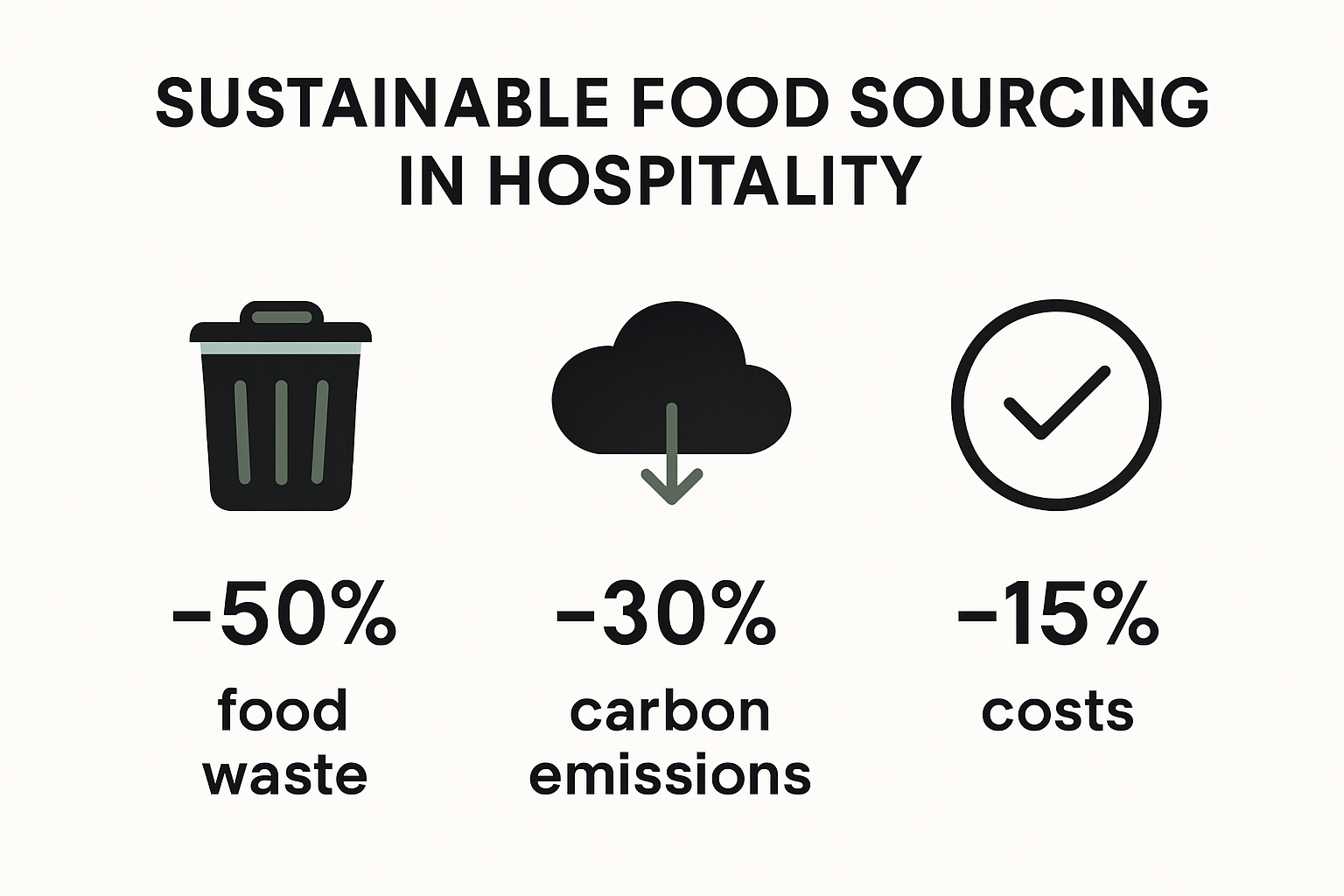
Sustainable food sourcing has become a critical strategy for hotels and restaurants seeking to balance environmental responsibility with business performance. The hospitality industry stands at a pivotal moment where consumer expectations, environmental challenges, and economic considerations converge to make sustainable food procurement not just an option, but a necessity.
Environmental and Economic Impact of Sustainable Sourcing
The hospitality sector generates significant food waste and carbon emissions through traditional procurement methods. Research from the Hospitality Sustainability Network reveals that responsible sourcing can dramatically reduce environmental footprints while creating tangible business advantages. By implementing sustainable food supply chain practices, establishments can simultaneously address ecological concerns and optimize operational efficiency.
Implementing sustainable food sourcing strategies offers multiple benefits. Academic research published in agricultural sustainability journals demonstrates that hotels adopting responsible procurement practices can:
- Reduce operational costs by minimizing waste and improving supply chain efficiency
- Enhance brand reputation by demonstrating environmental commitment
- Support local agricultural ecosystems through strategic partnerships with regional producers
Consumer Expectations and Market Demand
Modern travelers and diners increasingly prioritize sustainability when making dining and accommodation choices. This shift represents more than a passing trend. Consumers now expect transparent, ethical food sourcing practices that align with broader environmental values. Restaurants and hotels that successfully communicate their sustainable food procurement strategies can differentiate themselves in a competitive market.
The approach goes beyond simply purchasing local ingredients. Sustainable food sourcing involves comprehensive considerations including carbon footprint, agricultural practices, worker welfare, and long term environmental preservation. Establishments must develop holistic strategies that address multiple dimensions of food production and distribution.
Strategic Implementation of Sustainable Food Sourcing
Successful sustainable food sourcing requires a multifaceted approach. This involves building strong relationships with local farmers, investing in transparent supply chains, and continuously evaluating procurement practices. Hotels and restaurants must develop robust systems for tracking food origins, understanding production methods, and verifying sustainability credentials.
The financial implications are equally compelling. While initial investments in sustainable sourcing might seem challenging, long term benefits include reduced waste, improved ingredient quality, and enhanced customer loyalty. Forward thinking hospitality businesses recognize that sustainable food sourcing is not an expense but a strategic investment in future resilience and market competitiveness.
As the global food system faces increasing pressures from climate change, population growth, and resource constraints, the hospitality industry has a critical role in driving positive transformation. By prioritizing sustainable food sourcing, hotels and restaurants can contribute to broader environmental solutions while creating exceptional dining experiences that resonate with conscious consumers.
Practical Steps to Source Food Sustainably
Transitioning to sustainable food sourcing requires strategic planning and deliberate action from hospitality professionals. While the concept might seem complex, breaking down the process into actionable steps can help hotels and restaurants effectively transform their procurement practices.
Building Sustainable Supplier Relationships
Establishing strong partnerships with suppliers committed to sustainability is foundational. The National Restaurant Association recommends a comprehensive approach to selecting suppliers who prioritize environmental responsibility. This involves conducting thorough assessments of potential partners, evaluating their agricultural practices, transportation methods, and overall ecological impact.
Key criteria for selecting sustainable suppliers include:
- Proximity of food production to reduce transportation emissions
- Transparent agricultural practices that minimize environmental harm
- Certifications demonstrating commitment to sustainable production
- Fair labor practices and support for local agricultural communities
By carefully screening and selecting suppliers, hospitality businesses can create a robust and responsible food procurement ecosystem that supports broader sustainability goals.
Implementing Zero Waste and Seasonal Strategies
The Auguste Escoffier School of Culinary Arts suggests implementing zero waste cooking techniques as a critical component of sustainable food sourcing. This approach involves careful menu planning, creative use of ingredient remnants, and strategic donation of surplus food.
Seasonality plays a crucial role in sustainable food procurement. The Food and Agriculture Organization emphasizes the importance of aligning menu offerings with local seasonal availability. This strategy not only reduces transportation emissions but also supports local agricultural economies and ensures fresher, more flavorful ingredients.
Practical zero waste techniques include:
- Designing flexible menus that can incorporate ingredient variations
- Implementing precise inventory management systems
- Creating secondary dishes from ingredient remnants
- Establishing partnerships with local food banks for surplus donation
Technology and Tracking for Sustainable Sourcing
Advanced technological solutions can significantly enhance sustainable food sourcing efforts. Digital platforms now enable real time tracking of food origins, carbon footprints, and supply chain transparency. Hospitality businesses can leverage these tools to make more informed procurement decisions and provide guests with detailed information about their food sources.
Implementing robust tracking systems allows establishments to:
- Monitor and reduce carbon emissions from food transportation
- Verify supplier sustainability credentials
- Provide guests with detailed provenance information
- Continuously improve procurement strategies based on data insights
Sustainable food sourcing is an ongoing journey of continuous improvement. By adopting a holistic approach that combines strategic supplier relationships, zero waste practices, and technological tracking, hotels and restaurants can create meaningful environmental impact while meeting evolving consumer expectations.
Here is a table summarizing the practical steps for sustainable food sourcing as described in this section:
| Step | Key Actions/Focus Areas |
|---|---|
| Build sustainable supplier relationships | Assess suppliers: proximity, practices, certifications, labor |
| Implement zero waste strategies | Menu flexibility, use of remnants, donate surplus |
| Source seasonally and locally | Align menus with local availability, reduce food miles |
| Leverage technology and tracking | Real-time sourcing data, traceability, carbon monitoring |
| Continuous improvement | Evaluate, adapt, and refine sourcing practices |
Building Strong Supplier Partnerships for Sustainability
Developing robust and sustainable supplier partnerships represents a critical strategy for hotels and restaurants committed to responsible food sourcing. These relationships extend far beyond traditional transactional interactions, encompassing comprehensive environmental, social, and economic considerations.
Evaluating Supplier Sustainability Credentials
The Responsible Stay initiative reveals that sustainability in supplier relationships requires comprehensive evaluation across multiple dimensions. This involves examining not just product quality, but also assessing suppliers’ commitment to environmental stewardship, worker welfare, and ethical production practices.
Effective supplier assessment should include rigorous screening for:
- Environmental practices including waste management and carbon emissions
- Labor standards ensuring fair wages and safe working conditions
- Agricultural methods that protect biodiversity and soil health
- Transparency in production and supply chain documentation
By implementing thorough evaluation processes, hospitality businesses can ensure their procurement decisions align with broader sustainability goals and create meaningful positive impact.
Below is a checklist table summarizing the key supplier sustainability criteria mentioned:
| Supplier Sustainability Criteria | Assessed? |
|---|---|
| Environmental practices | |
| Labor standards | |
| Agricultural methods | |
| Transparency in documentation | |
| Certifications |
Local and Regional Sourcing Strategies
The Food and Agriculture Organization emphasizes the strategic importance of local sourcing. Hotel Management research indicates that developing relationships with local and regional suppliers offers multiple advantages beyond environmental benefits.
Key benefits of local sourcing include:
- Reduced transportation emissions
- Enhanced ingredient freshness
- Direct support for regional agricultural economies
- Greater supply chain transparency
- More authentic culinary experiences for guests
Long Term Partnership Development
Building sustainable supplier partnerships requires a strategic, collaborative approach. This means moving beyond short term transactional relationships to develop long term, mutually beneficial connections that support continuous improvement and innovation.
Successful partnership strategies involve:
- Regular communication and performance reviews
- Joint sustainability goal setting
- Collaborative research and development
- Shared investment in sustainable technologies
- Transparent performance tracking and reporting
Hospitality businesses must view suppliers as strategic partners in their sustainability journey. By fostering relationships built on shared values, mutual respect, and continuous improvement, hotels and restaurants can create supply chains that are not just efficient, but genuinely transformative.
The future of sustainable food sourcing depends on these collaborative relationships. As consumer awareness grows and environmental challenges become more complex, the hospitality industry’s ability to build strong, ethical, and innovative supplier partnerships will be crucial in driving meaningful change.
Overcoming Challenges and Measuring Success
Sustainable food sourcing in the hospitality industry is not without significant challenges. Hotels and restaurants must navigate complex operational, financial, and technological barriers while developing robust measurement strategies to track and validate their sustainability efforts.
Identifying and Addressing Systemic Challenges
Research published in 2024 highlights the multifaceted challenges hotels encounter when implementing sustainable food management practices. These challenges extend beyond simple procurement decisions and require comprehensive, strategic approaches.
Key challenges in sustainable food sourcing include:
- Cost implications of transitioning to sustainable suppliers
- Limited supplier availability with robust sustainability credentials
- Complex verification processes for sustainable practices
- Technological integration required for effective tracking
- Training and cultural transformation within organizational structures
Successful organizations recognize that addressing these challenges requires a holistic, patient approach that combines strategic planning, technological innovation, and continuous learning.
The following table summarizes common challenges in sustainable food sourcing for hospitality businesses:
| Challenge | Description |
|---|---|
| Cost implications | Higher costs when transitioning to sustainable suppliers |
| Limited supplier availability | Shortage of suppliers meeting sustainability standards |
| Complex verification processes | Difficulty verifying sustainable practices |
| Technological integration | Need for new tracking and data systems |
| Training and cultural transformation | Need for organizational change and staff training |
Digital Integration and Performance Measurement
A groundbreaking study examining quality management practices reveals that digital tools play a crucial role in overcoming sustainability challenges. Digital integration enables hospitality businesses to enhance supply chain transparency, track performance metrics, and make data driven decisions.
Effective digital measurement strategies should focus on:
- Real time carbon emission tracking
- Supplier performance dashboards
- Waste reduction analytics
- Ingredient traceability systems
- Comprehensive sustainability reporting frameworks
Certification and Continuous Improvement
Comprehensive research on sustainable food management emphasizes the importance of formal certification programs and ongoing improvement processes. These frameworks provide structured approaches for hotels and restaurants to validate and enhance their sustainability efforts.
Recommended strategies for continuous improvement include:
- Pursuing recognized sustainability certifications
- Conducting regular internal and external audits
- Establishing clear, measurable sustainability goals
- Creating feedback loops with suppliers and stakeholders
- Investing in employee training and development
Measuring success in sustainable food sourcing goes beyond simple compliance. It requires a dynamic, adaptive approach that views sustainability as an ongoing journey of improvement. By embracing technological solutions, maintaining rigorous measurement standards, and cultivating a culture of continuous learning, hospitality businesses can transform challenges into opportunities for meaningful environmental and economic impact.

The future of sustainable food sourcing demands creativity, commitment, and a willingness to challenge traditional procurement paradigms. Organizations that view sustainability as a strategic advantage rather than a compliance requirement will be best positioned to lead in an increasingly conscientious marketplace.
Frequently Asked Questions
What is sustainable food sourcing for hotels and restaurants?
Sustainable food sourcing refers to the practice of procuring food ingredients in a way that is environmentally responsible, socially equitable, and economically viable. This approach prioritizes local, seasonal, and ethically produced foods while reducing waste and carbon emissions in the supply chain.
Why is sustainable food sourcing important in the hospitality industry?
Sustainable food sourcing is important because it meets growing consumer expectations for ethical dining, reduces operational costs by minimizing waste, enhances brand reputation, and supports local agricultural economies, all while contributing to environmental preservation.
How can hotels and restaurants implement sustainable food sourcing practices?
Hotels and restaurants can implement sustainable food sourcing practices by building strong supplier relationships, sourcing locally and seasonally, adopting zero waste strategies, and utilizing technology for tracking food origins and carbon footprints.
What challenges do hotels and restaurants face in adopting sustainable food sourcing?
Common challenges include higher initial costs, limited availability of sustainable suppliers, complex verification processes for sustainable practices, and the need for technological integration and staff training to ensure effective implementation.
Make Your Sustainable Sourcing Truly Complete With Compostable Straws
You have already learned how every detail counts when creating a sustainable hospitality experience. The article highlights critical pain points for hotels and restaurants, including the urgency of reducing waste and improving transparency at every stage of sourcing. But what about your drink service? Even with locally sourced menus and low-waste kitchens, using single-use plastic straws can undermine your efforts to build a greener brand and meet rising guest expectations for visible, genuine eco-friendly practices. Sustainable food sourcing is more than what is on the plate. It is about every choice you make at the table.
Upgrade your beverage service with compostable, plant-based straws that align perfectly with your goals for zero-waste and responsible procurement. See how our solutions support your sustainability journey at The Ocean Straw. Explore our wood and plant-based straws for the HoreCa market on our homepage and discover how you can give your guests the experience they expect. Take action today and let your commitment to sustainable sourcing shine in every sip.
Recommended
-
[
Hotellmagasinet – TOS Norway AS -
[
The Ocean Straw -
[
Our best-selling Ocean Straw NO – The Ocean Straw](https://www.theoceanstraw.com/pages/our-best-selling-ocean-straw-no)
-
[
Meeting - Dubai – The Ocean Straw