Newsroom
Sustainable Event Planning Tips for Hotels and Restaurants 2025
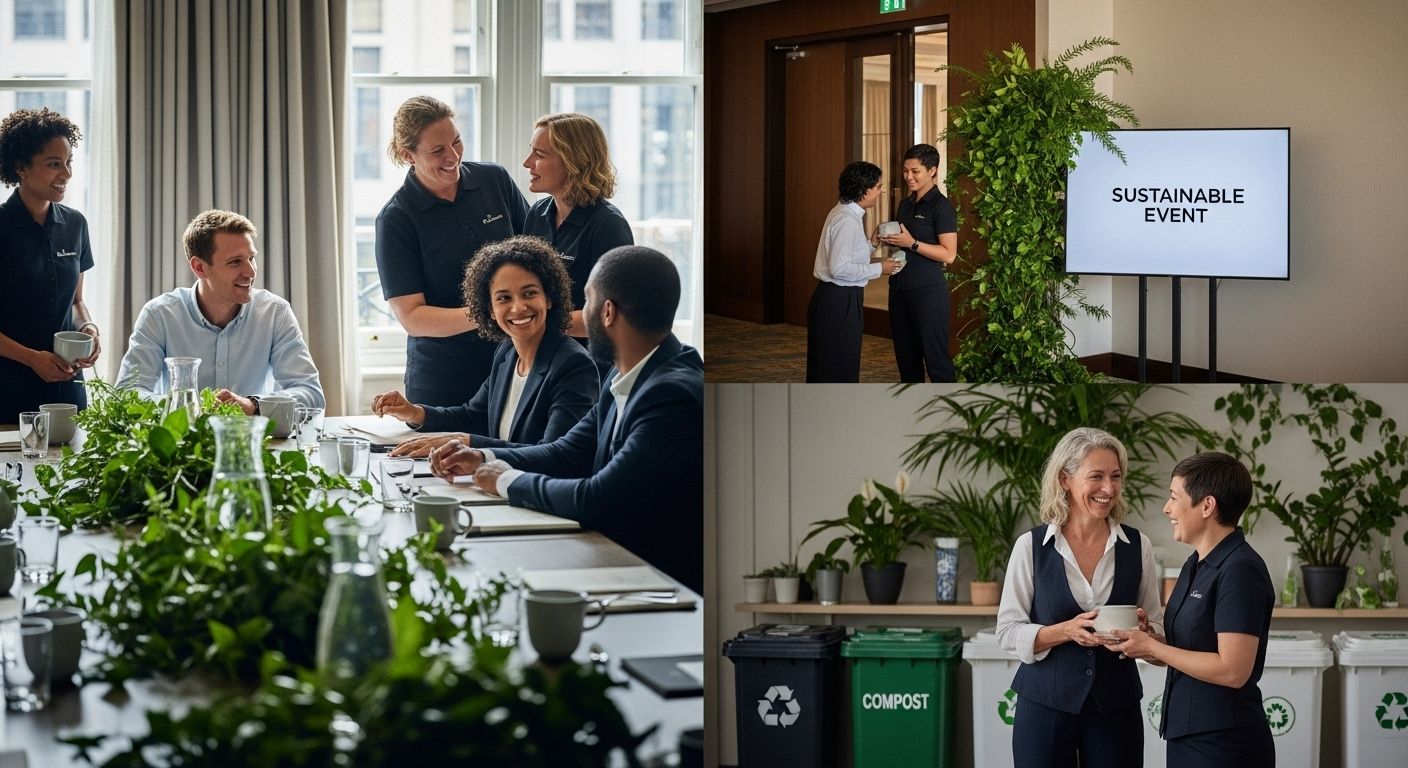
Sustainable Event Planning Tips for Hotels and Restaurants 2025
Sustainable event planning has skyrocketed in importance for hotels and restaurants. Businesses are not just saving money but making a statement, with hotels slashing electricity use by up to 78% thanks to energy-efficient systems. Sounds expensive or complicated, right? Actually, the biggest payoff does not come from fancy tech or big budgets. The real power lies in simple changes that bring huge savings, happier guests, and a stronger brand all at once.
Table of Contents
- Benefits of Sustainable Event Planning
- Key Steps for Greener Events in 2025
- Eco-Friendly Purchasing and Supplier Choices
- Engaging Guests and Teams in Sustainability
Quick Summary
| Takeaway | Explanation |
|---|---|
| Implement energy-efficient practices | Install energy-efficient systems to drastically lower operating costs and reduce carbon footprint. |
| Source sustainably and locally | Prioritize local suppliers and seasonal products to minimize transportation emissions and support local economies. |
| Engage staff and guests in sustainability | Foster a culture of sustainability through training and encouraging participation in environmental initiatives. |
| Minimize waste through strategic planning | Develop comprehensive waste management strategies, including recycling and composting to achieve a zero-waste goal. |
| Prioritize transparency in sustainability efforts | Share sustainability goals and progress with guests and employees to build trust and encourage collaborative initiatives. |
Benefits of Sustainable Event Planning
Sustainable event planning has transformed from a niche concept to a critical strategy for hotels and restaurants seeking competitive advantage in 2025. By integrating environmentally responsible practices, businesses can unlock significant economic, social, and ecological benefits that extend far beyond traditional operational approaches.
Economic Advantages of Green Event Management
The financial incentives for sustainable event planning are compelling. Research from Hospitality Net reveals that sustainable practices can dramatically reduce operational costs. Hotels implementing energy-efficient systems can decrease electricity consumption by up to 78%, while water-efficient technologies can cut water usage by 20-30%. These reductions translate directly into substantial cost savings.
Moreover, sustainable events attract a growing segment of environmentally conscious clients willing to pay premium prices for eco-friendly experiences. Businesses that demonstrate genuine commitment to sustainability can command higher event pricing and develop a reputation for innovative, responsible hospitality. This strategic approach not only reduces expenses but also creates new revenue streams.
Environmental and Brand Reputation Impact
The Hospitality Daily highlights that sustainable event planning contributes significantly to environmental conservation. By minimizing waste, reducing carbon emissions, and implementing resource-efficient practices, hotels and restaurants play a crucial role in mitigating climate change.
Brand reputation receives a substantial boost through sustainable practices. Modern consumers increasingly evaluate businesses based on their environmental credentials. Events that showcase transparent, measurable sustainability efforts can enhance brand perception, attract media attention, and differentiate an organization in a competitive market.
Talent Attraction and Operational Resilience
Sustainable event planning goes beyond environmental considerations. Klimato Insights emphasizes that such practices help attract and retain top talent. Employees increasingly seek workplaces aligned with their personal values of environmental responsibility.
Furthermore, businesses adopting sustainable event strategies develop greater operational resilience. By anticipating and adapting to evolving environmental regulations and market trends, these organizations position themselves for long-term success. Sustainable practices are not just an expense but a strategic investment in future-proofing hospitality operations.
The comprehensive benefits of sustainable event planning represent a holistic approach to business management. Economic savings, environmental stewardship, enhanced brand reputation, and improved organizational adaptability converge to create a powerful value proposition for forward-thinking hotels and restaurants.
Here is a table summarizing the main benefits of sustainable event planning in the hospitality industry as described above:
| Benefit Area | Key Advantages | Examples (from article) |
|---|---|---|
| Economic | Reduced operational costs, new revenue streams | Up to 78% less electricity use, 20-30% less water usage |
| Environmental | Mitigates climate change, minimizes waste and carbon emissions | Resource-efficient practices, waste reduction |
| Brand Reputation | Enhances perception, attracts new business, media attention | Premium pricing, consumer trust, transparent efforts |
| Talent | Attracts/retains staff aligned with sustainability values | Improved employee engagement and satisfaction |
| Operational Resilience | Prepares for regulations and market shifts, future-proofs operations | Adaptive to trends, strategic sustainability investment |
Key Steps for Greener Events in 2025
As sustainability becomes a critical priority in the hospitality industry, hotels and restaurants must adopt comprehensive strategies to create greener events in 2025. Transforming event planning requires a multifaceted approach that addresses environmental impact across every aspect of event management.
Sustainable Sourcing and Procurement
Johnson & Wales University emphasizes the importance of strategic sourcing in sustainable event planning. Event organizers should prioritize local suppliers who demonstrate strong environmental credentials. This means selecting vendors who use renewable materials, minimize packaging, and have transparent sustainability practices.
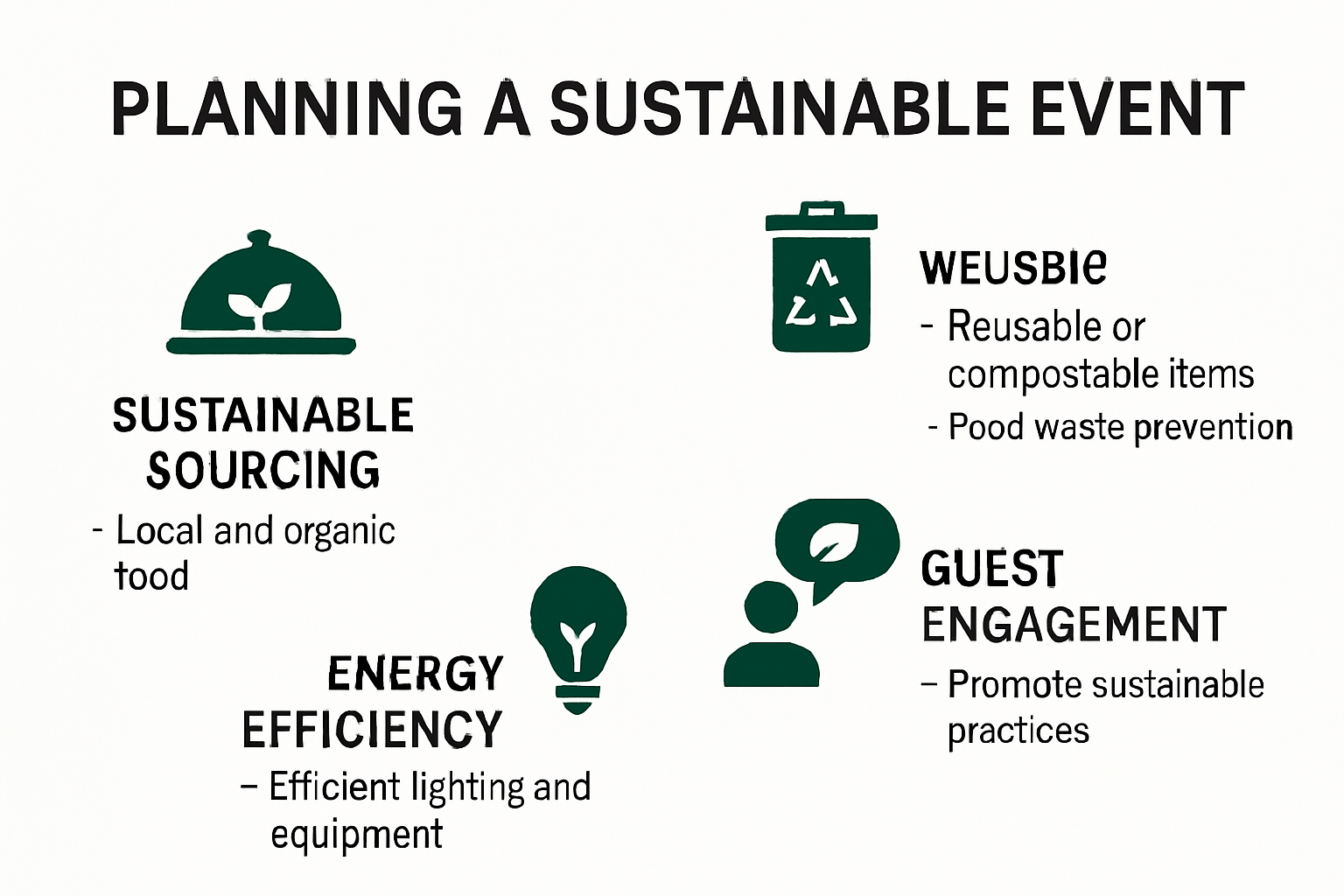
Key procurement strategies include sourcing local and seasonal food products, choosing suppliers with verified environmental certifications, and selecting reusable or compostable event materials. By carefully vetting suppliers, hotels and restaurants can significantly reduce their events’ carbon footprint while supporting local sustainable businesses.
Waste Reduction and Resource Management
Cvent highlights the critical need for comprehensive waste management strategies. Implementing a zero-waste approach requires detailed planning and innovative solutions. Event managers should develop robust recycling programs, minimize single-use plastics, and create clear waste sorting systems.
Practical steps include providing clearly labeled recycling stations, offering digital alternatives to printed materials, using reusable or compostable serviceware, and partnering with local recycling and composting facilities. Some venues are now implementing food donation programs to reduce food waste, redirecting unused meals to local community organizations.
Energy Efficiency and Carbon Neutrality
Skift Meetings provides insights into creating energy-efficient events. Reducing energy consumption requires a holistic approach that begins with venue selection and extends to detailed event management.
Event planners should prioritize venues with green certifications, utilize natural lighting, implement energy-efficient LED lighting, and use smart technology to monitor and reduce energy consumption. Consider offsetting remaining carbon emissions through verified carbon offset programs. This might include investing in renewable energy projects or supporting local environmental conservation initiatives.
Additionally, encourage sustainable transportation by providing shuttle services, promoting public transit options, and offering incentives for carpooling or using low-emission vehicles. These strategies not only reduce the event’s carbon footprint but also demonstrate a commitment to comprehensive environmental responsibility.
Greening events in 2025 is not just about implementing isolated sustainable practices. It requires a holistic approach that integrates environmental considerations into every aspect of event planning. By focusing on sustainable sourcing, waste reduction, and energy efficiency, hotels and restaurants can create memorable experiences that align with growing environmental expectations while minimizing ecological impact.
Below is a table outlining the key steps and strategies for greener events in 2025 as discussed in this section:
| Step/Strategy | Example Practice | Main Environmental Benefit |
|---|---|---|
| Sustainable sourcing | Use local & seasonal suppliers, eco-certified vendors | Lowers transportation emissions |
| Waste reduction | Zero-waste planning, composting, recycling stations | Cuts landfill waste, boosts recycling |
| Digital alternatives | Digital materials vs printed handouts | Minimizes paper waste |
| Energy efficiency | LED lighting, natural light, smart tech | Reduces energy consumption |
| Carbon neutrality | Carbon offsets, green venues | Mitigates total event emissions |
| Sustainable transport | Shuttles, public transit, incentives for carpooling | Lowers guest & staff emissions |
Eco-Friendly Purchasing and Supplier Choices
In the evolving landscape of sustainable event planning, strategic purchasing decisions and thoughtful supplier selection have become pivotal in reducing environmental impact. Hotels and restaurants must reimagine their procurement processes to align with comprehensive sustainability goals.
Sustainable Supplier Selection Criteria
The Quebec City Convention Centre recommends a holistic approach to supplier evaluation that extends beyond traditional price and quality metrics. Event managers should prioritize vendors demonstrating genuine commitment to sustainable practices. This involves assessing potential suppliers based on their environmental policies, carbon footprint reduction strategies, waste management protocols, and community engagement efforts.
Key evaluation criteria include verifying suppliers’ environmental certifications, understanding their supply chain transparency, and analyzing their use of renewable materials. Preference should be given to local businesses that minimize transportation emissions and support regional economic ecosystems. By creating rigorous selection standards, hotels and restaurants can drive meaningful change through their procurement decisions.
Minimizing Waste Through Strategic Purchasing
Stanford Graduate School of Education provides innovative insights into reducing event-related waste through intelligent purchasing strategies. Electronic communications can dramatically decrease paper consumption, while bulk purchasing helps minimize packaging waste. Event planners should focus on selecting vendors offering products with minimal or recyclable packaging.
Food procurement presents significant sustainability opportunities. Choosing vendors that provide plant-based and vegetarian options can substantially reduce the event’s carbon footprint. Additionally, selecting caterers who specialize in locally sourced, seasonal ingredients not only supports regional agriculture but also reduces transportation-related emissions. Implementing reusable or compostable serviceware further enhances waste reduction efforts.
Lifecycle Considerations in Product Selection
Clemson University’s Sustainable Procurement Policy emphasizes the importance of evaluating products beyond their immediate utility. Event managers should consider the entire lifecycle of purchased items, from raw material extraction to eventual disposal. This approach encourages selecting products that conserve energy, minimize water usage, and can be easily recycled or composted.
Practical strategies include investing in durable, long-lasting equipment that reduces frequent replacements, choosing products made from recycled materials, and partnering with suppliers who offer take-back or recycling programs. By prioritizing circular economy principles, hotels and restaurants can transform their purchasing from a transactional process to a sustainability-driven initiative.
Eco-friendly purchasing is more than a trend it is a fundamental reimagining of how hospitality businesses interact with their supply chains. Thoughtful supplier choices create cascading positive impacts that extend far beyond individual events. By integrating sustainability into every procurement decision, hotels and restaurants can become powerful drivers of environmental innovation and responsible business practices.
Engaging Guests and Teams in Sustainability
Sustainability is no longer a solitary endeavor for hotels and restaurants but a collaborative journey that requires active participation from both staff and guests. Creating a comprehensive engagement strategy transforms environmental responsibility from a corporate mandate into a shared mission.
Empowering Employee Sustainability Champions
SafetyCulture emphasizes the critical role of employee training and engagement in driving sustainable practices. Organizations must develop comprehensive training programs that educate staff about environmental impact, conservation techniques, and the broader significance of sustainability efforts.
Effective employee engagement involves creating incentive programs that recognize and reward sustainable behaviors. This might include performance metrics tied to energy conservation, waste reduction, or innovative green initiatives. By giving employees meaningful opportunities to contribute, businesses can transform their workforce into passionate sustainability advocates who actively promote and implement eco-friendly practices.
Interactive Guest Experience and Education
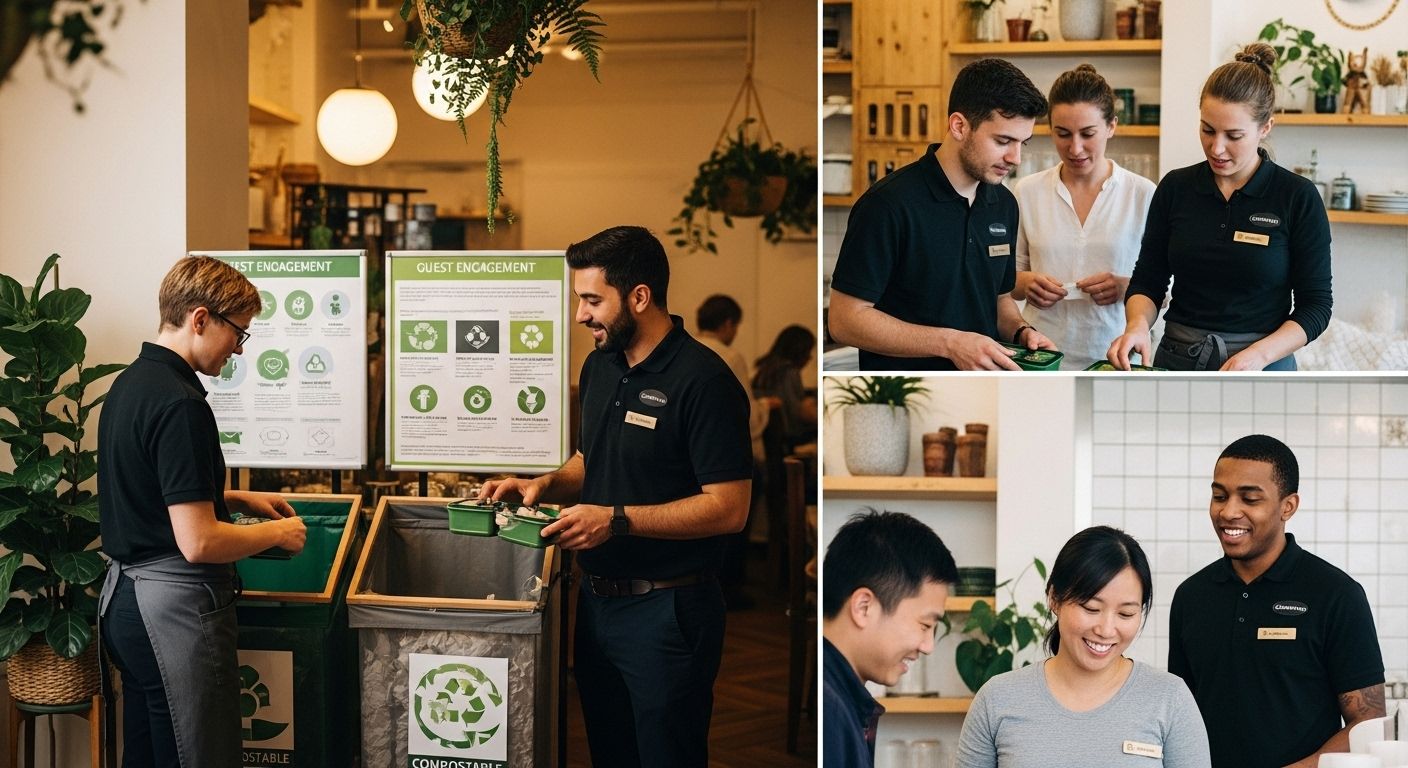
The World Sustainable Hospitality Alliance suggests creating immersive experiences that educate and inspire guests about sustainability. Interactive displays showing real-time resource consumption, detailed information about local environmental conservation efforts, and transparent reporting of the venue’s sustainability metrics can significantly enhance guest understanding and participation.
Providing guests with actionable choices becomes crucial. This could include optional towel and linen reuse programs, digital check-in processes that minimize paper usage, or menu options that highlight the environmental impact of different food choices. Gamification techniques like earning sustainability points or receiving eco-friendly rewards can make participation more engaging and enjoyable.
Below is a table summarizing methods to engage guests and staff in sustainability across different areas as described in this section:
| Engagement Area | Methods Mentioned | Desired Outcome |
|---|---|---|
| Employee Training | Comprehensive sustainability training, incentive programs | Increased staff adoption |
| Guest Education | Real-time resource displays, transparent reporting, local efforts | Enhanced guest understanding |
| Guest Participation | Towel/linen reuse, digital check-in, menu impact info | Increased guest sustainability |
| Reward Systems | Gamification, eco-friendly rewards | Boosted participation and loyalty |
| Community Collaboration | Local cleanups, gardens, workshops, feedback mechanisms | Stronger community/environment link |
Building Community and Collaborative Sustainability
The Singapore Hotel Association’s Sustainability Playbook recommends developing collaborative sustainability initiatives that extend beyond individual interactions. This involves creating opportunities for guests and staff to participate in local environmental projects, such as beach cleanups, urban gardening, or conservation workshops.
Transparency plays a pivotal role in building trust. By openly communicating sustainability goals, progress, and challenges, hotels and restaurants can create a sense of shared responsibility. Implementing feedback mechanisms that allow guests and employees to contribute sustainability suggestions demonstrates a genuine commitment to continuous improvement and collective environmental stewardship.
Engaging guests and teams in sustainability is about creating a cultural shift that transforms environmental responsibility from a corporate obligation into a shared value. By fostering education, providing meaningful participation opportunities, and building a collaborative ecosystem, hotels and restaurants can inspire lasting change that extends far beyond their immediate operational boundaries.
Frequently Asked Questions
What are the benefits of sustainable event planning for hotels and restaurants?
Sustainable event planning offers numerous benefits, including reduced operational costs, enhanced brand reputation, and improved talent attraction. By implementing eco-friendly practices, businesses can save on resources and appeal to environmentally conscious consumers.
How can hotels and restaurants reduce waste during events?
Hotels and restaurants can minimize waste by developing comprehensive waste management strategies, such as implementing recycling and composting programs, using reusable serviceware, and donating leftover food to local charities.
What strategies can be used for sustainable sourcing?
To achieve sustainable sourcing, prioritize local and seasonal suppliers, select vendors with verified environmental credentials, and reduce packaging waste by choosing products with minimal or recyclable materials.
How can we engage guests in sustainability efforts during events?
Engage guests by providing interactive experiences that educate them about your sustainability practices, offering options for eco-friendly choices, and using gamification techniques to encourage participation in environmental initiatives.
Take Action on Sustainable Sourcing With Compostable Straws
Hotels and restaurants face real pressure to reduce single-use plastics and minimize landfill waste in their sustainable event plans. The article shows how waste reduction, sustainable sourcing, and supplier transparency are now central to guest satisfaction and operational savings. Yet, finding practical eco-friendly alternatives for everyday essentials like straws remains a constant challenge for HoreCa professionals striving for zero waste and measurable impact.
Elevate your events and make every detail count. Choose our wood and plant-based compostable straws and show your guests you are serious about environmental leadership. Visit The Ocean Straw to discover straws that are not just better for the planet but also align with your zero-waste and eco-friendly goals. Act today to transform your event’s sustainability story and inspire your staff and guests with simple changes that deliver real results.
Recommended
-
[
Hotellmagasinet – TOS Norway AS -
[
Why The Ocean Straw Group Is Built for Hospitality – Not Just a Niche -
[
Behind the Scenes: Expanding to Sweden, Dubai, and Across Europe – The Ocean Straw -
[
Introducing The Ocean Cup: The Sustainable Reusable Cup Changing HoReC – The Ocean Straw -
Tendencias decoración bodas 2025: arte en vivo y recuerdos únicos – Live Wedding Painters