Newsroom
Single Use Plastics Alternatives for Hotels and Restaurants 2025
Single Use Plastics Alternatives for Hotels and Restaurants 2025
Hotels and restaurants are under intense pressure to ditch single use plastics by 2025, and for good reason. Plastic waste from hospitality businesses can pile up to thousands of tons each year. Yet, swapping plastic straws for paper ones barely scratches the surface. The real surprise is that switching to reusable serviceware can slash operational costs by up to 40 percent, proving that sustainability is not just about saving the planet, it can also save serious money.
Table of Contents
- Why Hotels And Restaurants Need Plastics Alternatives
- Top Single Use Plastics Alternatives For Hospitality
- How To Implement Sustainable Products In Your Business
- Cost And Supplier Tips For No Added Plastic Solutions
Quick Summary
| Takeaway | Explanation |
|---|---|
| Transitioning to sustainable practices is essential. | Hotels and restaurants must adopt alternatives to single-use plastics to meet regulatory demands and consumer expectations for sustainability. |
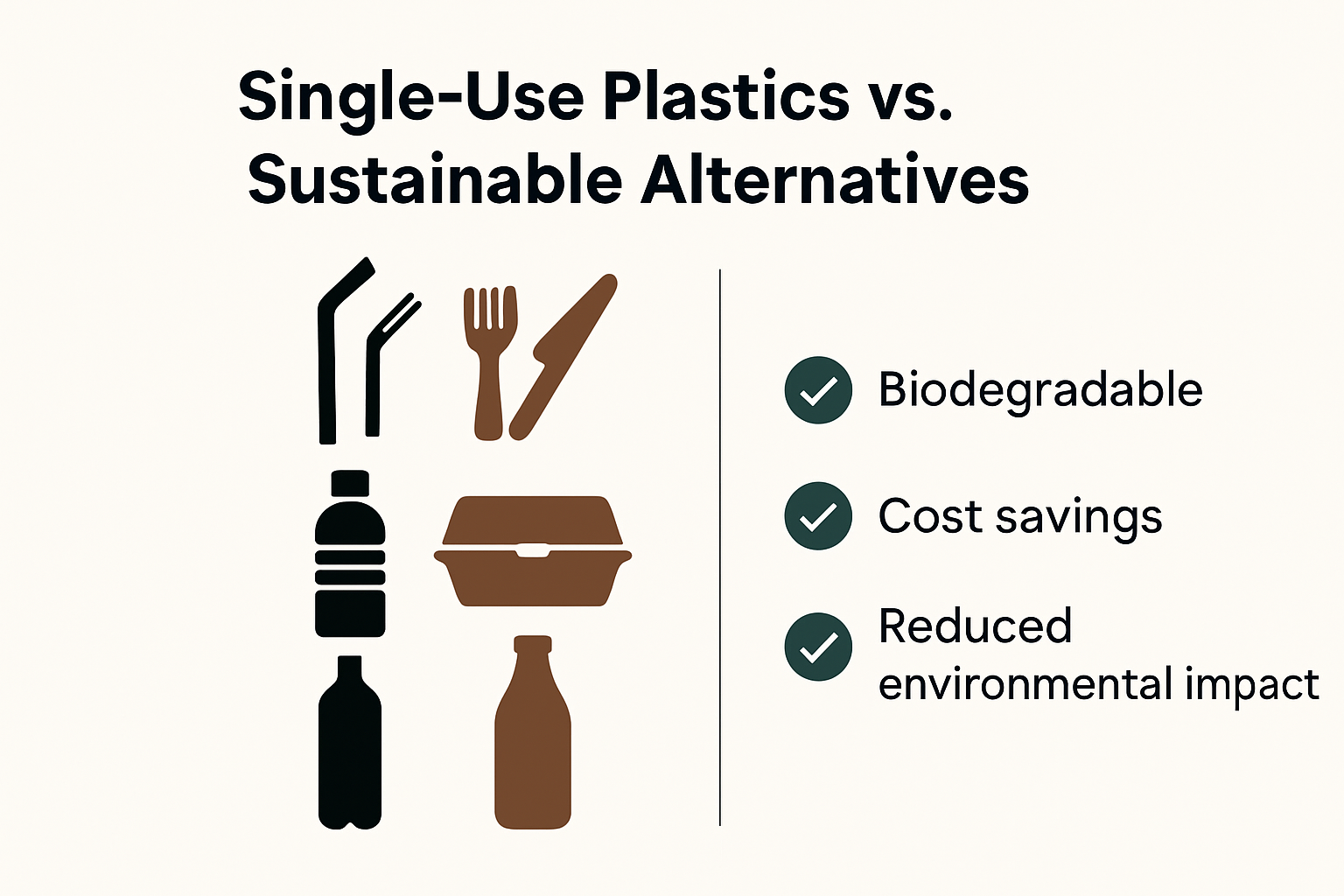
| Choose biodegradable and compostable materials. | Utilizing plant-based disposables significantly reduces carbon emissions and environmental impact from traditional plastics. |
| Invest in reusable serviceware for long-term savings. | Replacing disposables with durable items not only cuts waste but can lower operational costs by up to 40%. |
| Engage employees for successful implementation. | Comprehensive staff training is crucial for integrating sustainable practices and fostering a culture of environmental responsibility. |
| Evaluate suppliers rigorously for sustainability. | Selecting suppliers committed to environmentally conscious practices can enhance your business’s sustainability efforts and reputation. |
Why Hotels and Restaurants Need Plastics Alternatives
The hospitality industry stands at a critical turning point in environmental responsibility. Single use plastics alternatives are no longer optional but essential for businesses seeking to reduce environmental impact and meet evolving consumer expectations.
The Environmental Cost of Single Use Plastics
The hospitality sector generates massive amounts of plastic waste annually. Hotels and restaurants produce thousands of tons of disposable plastic items that typically end up in landfills or oceans. The World Economic Forum highlights that simply replacing single-use plastics with other disposable materials keeps businesses trapped in a linear economy model, emphasizing the urgent need for truly sustainable practices.
Government regulations are accelerating the transition away from single-use plastics. The Biden administration announced plans to phase out single-use plastics in federal operations by 2035, with specific targets for food service operations by 2027. This signals a broader regulatory trend that will impact hotels and restaurants nationwide.
Consumer Expectations and Brand Reputation
Modern consumers are increasingly environmentally conscious. They actively seek out businesses demonstrating genuine commitment to sustainability. Restaurants and hotels that proactively replace single-use plastics with eco-friendly alternatives can differentiate themselves in a competitive market.
Customers are not just passive observers but active participants in sustainability efforts. They appreciate transparent communication about environmental initiatives and are more likely to support businesses that demonstrate real commitment to reducing plastic waste. By implementing single use plastics alternatives, establishments can build stronger brand loyalty and attract environmentally aware clientele.
Economic and Operational Benefits
Contrary to common misconceptions, transitioning to single use plastics alternatives can offer significant economic advantages. While initial implementation might require investment, businesses can realize long-term cost savings through reduced waste management expenses and improved operational efficiency.
The EPA’s toolkit for institutional food service demonstrates that strategic planning can help organizations seamlessly integrate sustainable practices without compromising service quality. This approach not only reduces environmental impact but also streamlines procurement and waste management processes.
The shift towards single use plastics alternatives represents more than an environmental imperative. It is a strategic business decision that aligns with global sustainability trends, regulatory requirements, and evolving consumer preferences. Hotels and restaurants that embrace this transition will position themselves as forward-thinking leaders in the hospitality industry.
Top Single Use Plastics Alternatives for Hospitality
Hotels and restaurants have numerous innovative alternatives to single-use plastics that can transform their sustainability practices while maintaining operational efficiency and guest satisfaction.
Biodegradable and Compostable Food Service Items
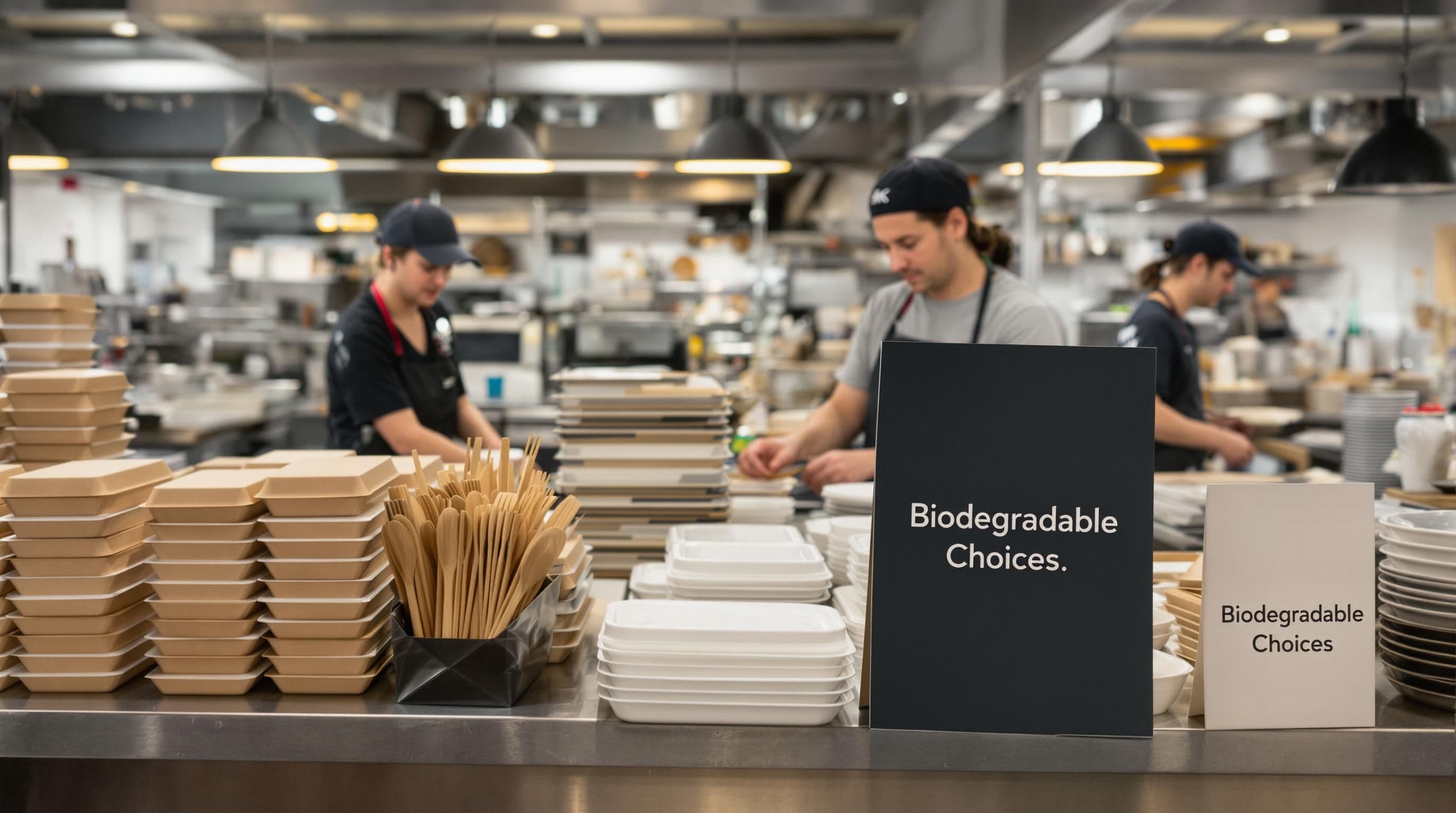
One of the most promising single use plastics alternatives involves utilizing biodegradable materials for food service and packaging. Plant-based disposables are revolutionizing how establishments handle dining and takeout services. Compostable containers made from materials like sugarcane bagasse, bamboo fiber, and corn-based polymers offer robust solutions that break down naturally without harming the environment.
These alternatives provide significant environmental benefits. The Ellen MacArthur Foundation reports that plant-based disposables can reduce carbon emissions by up to 75% compared to traditional petroleum-based plastics. By selecting materials that decompose within months instead of hundreds of years, hotels and restaurants can dramatically reduce their ecological footprint.
Reusable and Sustainable Serviceware Solutions
Transitioning from disposable to reusable serviceware represents another powerful strategy for eliminating single-use plastics. Establishments can invest in durable, washable alternatives that provide long-term cost savings and environmental benefits. Stainless steel straws, ceramic plates, glass water bottles, and bamboo utensils are excellent replacements for their plastic counterparts.
Research from the National Restaurant Association indicates that implementing reusable serviceware can reduce waste management costs by approximately 30-40%. These solutions not only minimize environmental impact but also create a premium dining experience that communicates a commitment to sustainability.
Advanced Material Innovations
Cutting-edge material science is producing extraordinary alternatives to traditional single-use plastics. Innovative solutions like seaweed-based packaging, mushroom-derived containers, and agricultural waste composites are emerging as game-changing technologies. These materials offer remarkable properties such as water resistance, durability, and complete biodegradability.
For instance, some new biomaterials can decompose within 60 days in industrial composting facilities, compared to traditional plastics that require hundreds of years. Hospitality businesses willing to experiment with these advanced materials can position themselves as technological leaders in sustainability.
The transition to single use plastics alternatives is not just an environmental responsibility but a strategic business opportunity. By carefully selecting and implementing these innovative solutions, hotels and restaurants can reduce waste, lower operational costs, enhance brand reputation, and meet growing consumer demand for sustainable practices.
Establishments that proactively adopt these alternatives will not only contribute to global environmental preservation but also gain a competitive edge in an increasingly eco-conscious market. The future of hospitality lies in embracing sustainable technologies that protect our planet while delivering exceptional guest experiences.
To better understand the range of alternatives available, the following table compares the main types of single-use plastics alternatives discussed, highlighting their materials, benefits, and typical use cases:
| Alternative Type | Materials Used | Key Benefits | Typical Use Cases |
|---|---|---|---|
| Biodegradable Food Service Items | Sugarcane bagasse, bamboo fiber, corn-based polymers | Compostable, quick decomposition (months) | Takeout containers, packaging |
| Reusable Serviceware | Stainless steel, ceramic, glass, bamboo | Durable, washable; cost savings (30-40%) | In-house dining, drink service |
| Advanced Material Innovations | Seaweed, mushroom composites, agricultural waste | Water resistant, rapidly biodegradable (<60 days) | Packaging, specialty containers |
How to Implement Sustainable Products in Your Business
Transitioning to sustainable products requires strategic planning, commitment, and a comprehensive approach that goes beyond simply swapping out materials. Successful implementation involves understanding the broader ecosystem of sustainable practices and creating a holistic transformation within the hospitality business.
Comprehensive Supplier Evaluation and Collaboration
The first critical step in implementing sustainable products involves thoroughly evaluating and selecting the right suppliers. Businesses must conduct rigorous assessments of potential partners, focusing on their environmental credentials, production processes, and commitment to sustainability. The World Economic Forum emphasizes that transitioning to multi-use alternatives requires complex coordination between businesses, suppliers, and infrastructure systems.
Key evaluation criteria should include:
- Verified sustainability certifications
- Transparent manufacturing processes
- Demonstrable commitment to reducing environmental impact
- Ability to provide consistent, high-quality sustainable alternatives
- Cost-effectiveness of sustainable solutions
Establishments should prioritize suppliers who can provide detailed documentation about their environmental practices and offer innovative, truly sustainable product solutions.
Staff Training and Operational Integration
The American Hotel & Lodging Association’s Responsible Stay initiative highlights that successful sustainability implementation requires comprehensive staff training and engagement. Approximately 63% of hotels have already eliminated plastic straws, demonstrating that operational changes are possible with proper guidance and education.
Effective implementation strategies include:
- Developing comprehensive training programs about sustainable practices
- Creating clear operational guidelines for handling sustainable products
- Establishing performance metrics related to sustainability goals
- Encouraging staff feedback and innovative ideas
- Providing incentives for departments that excel in sustainable practices
Staff must understand not just how to use sustainable products, but why these changes are crucial for environmental preservation and business success.
Pilot Programs and Gradual Transition
Research from the National Center for Biotechnology Information suggests that successful sustainable product implementation often involves strategic pilot programs. These controlled tests allow businesses to assess the practical implications of new sustainable alternatives before full-scale implementation.
A recommended approach includes:
- Starting with specific departments or service areas
- Collecting detailed performance and cost data
- Analyzing guest feedback and operational challenges
- Making incremental adjustments based on real-world insights
- Scaling successful strategies across the entire business
Businesses should view this transition as an iterative process, remaining flexible and responsive to emerging sustainable technologies and practices. The goal is not just replacing single-use plastics but creating a comprehensive sustainability strategy that enhances operational efficiency, reduces environmental impact, and potentially creates new value propositions for environmentally conscious customers.
The journey toward sustainable products is ongoing. Successful businesses will continuously educate themselves, stay informed about technological innovations, and maintain a commitment to environmental responsibility. By approaching this transition strategically and holistically, hotels and restaurants can transform sustainability from a challenge into a significant competitive advantage.
Below is a table summarizing key steps and considerations in implementing sustainable products, making it easier to map out a holistic transition:
| Step | Action/Consideration | Purpose/Benefit |
|---|---|---|
| Supplier Evaluation | Assess sustainability credentials, production transparency | Ensure truly sustainable sourcing |
| Staff Training | Develop training, set guidelines, incentivize departments | Achieve consistent implementation & engagement |
| Pilot Programs | Test in select areas, gather data, adjust as needed | Identify challenges and optimize before scale up |
| Gradual Rollout | Expand successful strategies business-wide | Manage costs, adapt to operational realities |
| Continuous Education | Stay updated on innovations, gather staff/customer feedback | Foster ongoing improvement and leadership in sector |
Cost and Supplier Tips for No Added Plastic Solutions
Navigating the financial landscape of No Added Plastic solutions requires strategic planning and a nuanced understanding of cost dynamics. Businesses must balance environmental responsibility with economic feasibility when transitioning away from single-use plastics.
Understanding the Cost Implications
The Circulate Initiative reveals that alternative materials like bioplastics can be two to five times more expensive than traditional plastics. This significant price difference challenges businesses to develop innovative cost management strategies.
Key financial considerations include:
- Long-term savings potential
- Reduced waste management expenses
- Potential tax incentives for sustainable practices
- Enhanced brand reputation and customer loyalty
- Potential marketing advantages
Businesses should view sustainable alternatives not as an expense but as a strategic investment in future operational efficiency and environmental responsibility.
Supplier Selection and Negotiation Strategies
The EPA’s Plastic Footprint Tool recommends a systematic approach to supplier evaluation. Successful negotiations involve comprehensive assessments that go beyond immediate cost considerations.
Effective supplier selection strategies include:
- Requesting detailed sustainability documentation
- Comparing total cost of ownership
- Exploring bulk purchasing agreements
- Negotiating flexible contract terms
- Investigating collaborative cost-sharing opportunities
Establishments should prioritize suppliers demonstrating commitment to innovation, transparency, and environmental responsibility.
Practical Implementation and Cost Optimization
Green Partner Audit & Consultancy highlights that strategic implementation can significantly mitigate transition costs. Businesses can optimize expenses through careful planning and phased approaches.
Cost-effective implementation recommendations:
- Start with high-impact, low-complexity replacements
- Implement gradual transitions to spread financial investment
- Train staff on efficient use of sustainable alternatives
- Develop internal tracking mechanisms for cost savings
- Leverage government incentives and sustainability grants
Successful No Added Plastic transitions require a holistic approach that balances financial prudence with environmental stewardship. By viewing sustainability as a strategic opportunity rather than a financial burden, businesses can create meaningful change while maintaining economic viability.
The journey toward No Added Plastic solutions is not about perfection but continuous improvement. Establishments that remain adaptable, innovative, and committed to sustainable practices will ultimately create significant value for their business, customers, and the environment.
Frequently Asked Questions
Why do hotels and restaurants need to switch to alternatives for single-use plastics?
Switching to alternatives for single-use plastics is essential for reducing environmental impact, meeting regulatory demands, and addressing consumer expectations for sustainability in the hospitality industry.
What are some effective single-use plastic alternatives for food service items?
Effective alternatives include biodegradable and compostable items made from plant-based materials like sugarcane bagasse, bamboo, and corn-based polymers, as well as reusable serviceware like stainless steel and ceramic.
How can hotels and restaurants transition to sustainable products efficiently?
Hotels and restaurants can transition efficiently by conducting thorough supplier evaluations, providing comprehensive staff training, and implementing pilot programs to test new products before a full-scale rollout.
What are the economic benefits of using reusable serviceware over single-use plastics?
Using reusable serviceware can lead to significant cost savings of up to 40% by reducing waste management expenses and improving operational efficiency while also attracting environmentally conscious customers.
Ready to Replace Single Use Plastic Straws in Your Business?
Hotels and restaurants face mounting pressure to cut out single use plastics. As highlighted above, not only do single use plastics harm the environment, they can also damage your brand reputation and lead to higher operational costs. The demand for sustainable change is stronger than ever, and finding truly compostable, plant-based alternatives has become a top priority for hospitality professionals who want to make a real difference for both their guests and the planet.
If you want a proven solution that aligns with new regulations, cost-saving strategies, and the growing expectations of eco-conscious customers, The Ocean Straw is your partner in change. Our premium wood and plant-based straws are designed for hotels, restaurants, and other HoreCa businesses seeking No Added Plastic credibility and peace of mind. Visit https://theoceanstraw.com today and take the next step toward meeting your sustainability goals before the 2025 deadline. Act now to secure a future-forward reputation and reduce your plastic footprint, one straw at a time.