Newsroom
How to Store Straws: Best Practices for Hotels & Restaurants 2025

How to Store Straws: Best Practices for Hotels & Restaurants 2025
Straw storage in hotels and restaurants might seem like a small detail, but it holds serious weight for hygiene, customer safety, and staff efficiency. Here is a number that stops you in your tracks. Mold risk soars if humidity climbs above 15 percent, making straws a hidden threat if left in the wrong environment. While most operators focus on the type of straw they provide guests, the real difference lies in how those straws are stored. That detail often decides whether a business exceeds standards or misses the mark completely.
Table of Contents
- Choosing The Right Straw Storage Solutions
- Ensuring Hygiene And Compliance Standards
- Sustainable Straw Storage For Eco-Friendly Hotels
- Organizing And Accessing Straws For Staff Efficiency
Quick Summary
| Takeaway | Explanation |
|---|---|
| Maintain low humidity for straw storage | Keeping humidity below 15% prevents mold growth and contamination, ensuring the quality of straws. |
| Use airtight, food-safe containers | Airtight containers protect straws from moisture and dust, while food-safe materials ensure compliance with health standards. |
| Implement FIFO inventory management | Use first-in-first-out methods to ensure that older stock is used before newer supplies, minimizing waste. |
| Train staff on sustainable practices | Educating team members on environmentally friendly storage and handling increases accountability and promotes sustainability culture. |
| Design storage for easy access | Strategic layout and labeling of straw storage areas facilitate quick retrieval, enhancing staff efficiency during service. |
Choosing the Right Straw Storage Solutions
Climate and Environmental Considerations for Straw Storage
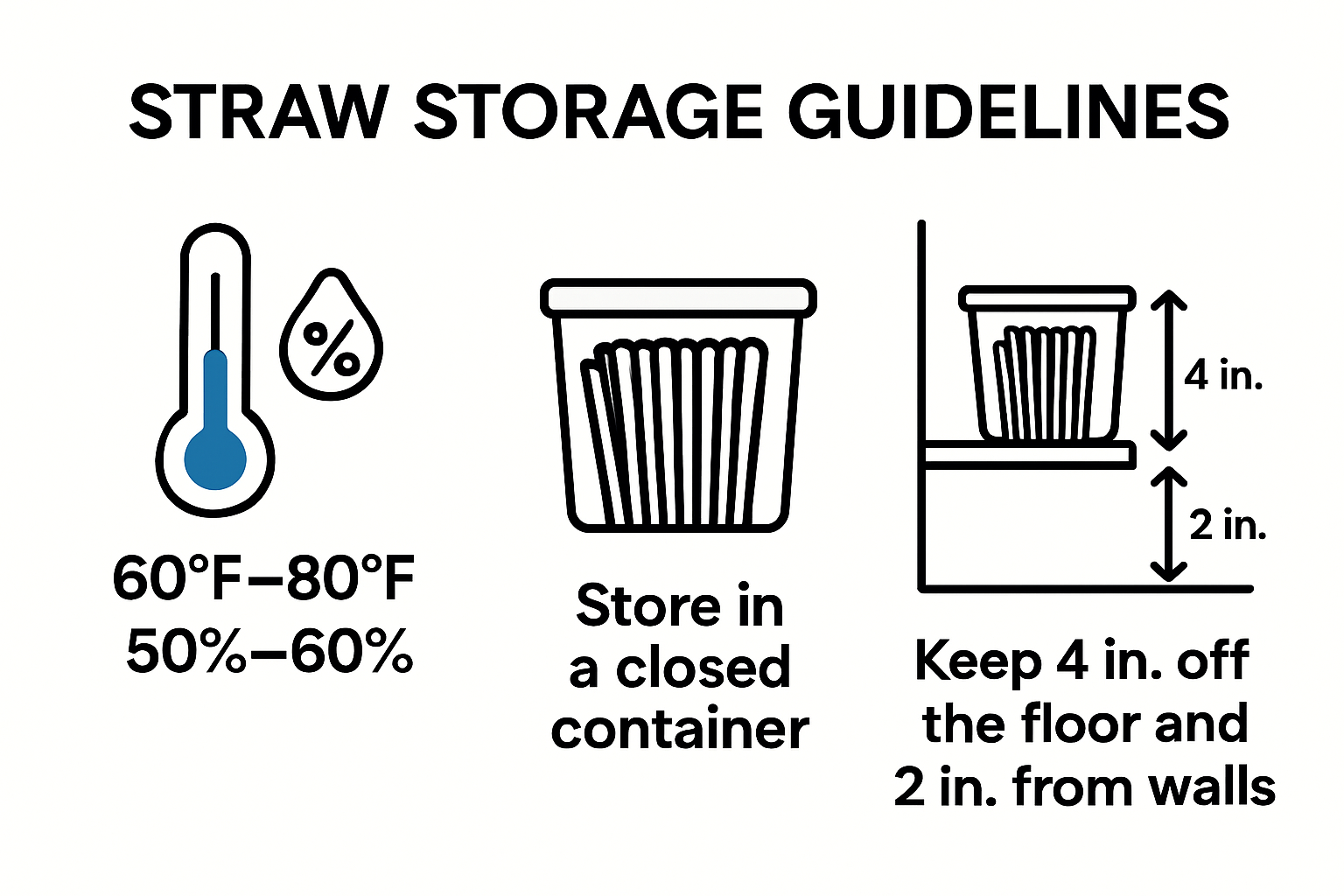
Properly storing straws requires careful attention to environmental conditions. Research on food safety guidelines recommends maintaining storage areas with humidity levels below 15% to prevent mold and bacterial growth. This means selecting storage locations that are cool, dry, and away from direct sunlight or heat sources.
Key environmental factors include:
- Temperature control: Keep storage areas between 50-70 degrees Fahrenheit
- Humidity management: Maintain low moisture environments
- Air circulation: Ensure proper ventilation to prevent moisture buildup
Hotels and restaurants must implement strategic storage solutions that protect straws from potential contaminants. Hospitality waste management guidelines emphasize the importance of storing items at least six inches off the floor and 18 inches away from outer walls. This approach facilitates easier cleaning and helps prevent pest interactions.
Selecting Appropriate Storage Containers
The following table summarizes the recommended features of straw storage containers and why each is important for optimal straw preservation and hygiene.
| Feature | Description | Importance |
|---|---|---|
| Airtight Sealing | Prevents moisture and dust from entering | Maintains hygiene, prevents mold |
| Transparent Material | Allows visual inventory checks | Eases stock control, reduces errors |
| Food-Grade Certification | Made from materials safe for food contact | Health compliance, safety |
| Stackable Design | Containers can be stacked securely | Saves space, improves organization |
| Easy-to-Clean Surface | Smooth surface, no hard-to-reach crevices | Simplifies cleaning, sanitation |
Consider containers made from food-safe plastics or glass that can be easily cleaned and sanitized. Avoid wooden or porous containers that might harbor bacteria or retain moisture. The container should have a tight-fitting lid that can be opened without direct hand contact, minimizing potential cross-contamination.
Organization and Inventory Management
Effective straw storage goes beyond simply finding a place to keep them. Implement a systematic approach to organization that supports efficient service and maintains product quality. Use clear labeling systems that indicate straw type, arrival date, and expected use-by date. Rotate stock using first-in-first-out (FIFO) principles to ensure older inventory is used before newer supplies.
For businesses dealing with multiple straw types - such as different materials or sizes - consider color-coded storage solutions or separate designated containers. This approach prevents mix-ups and supports quick, accurate service during peak operational hours.
Remember that proper straw storage is not just about preservation - it’s a critical component of overall food safety and customer experience in hospitality settings. By implementing thoughtful storage strategies, hotels and restaurants can ensure their straws remain clean, hygienic, and ready for immediate use.
Ensuring Hygiene and Compliance Standards
Maintaining rigorous hygiene and compliance standards is paramount for hotels and restaurants when handling and storing straws. These standards go far beyond basic cleanliness - they represent a fundamental commitment to customer safety and operational excellence.
Cleaning and Sanitization Protocols
The FAO’s International Code of Practice provides comprehensive guidelines for maintaining equipment and preventing contamination. Proper cleaning procedures must effectively remove food residues and dirt while ensuring disinfection protocols are meticulously followed. This means establishing a systematic approach to straw storage and handling that minimizes potential health risks.
Key sanitization considerations include:
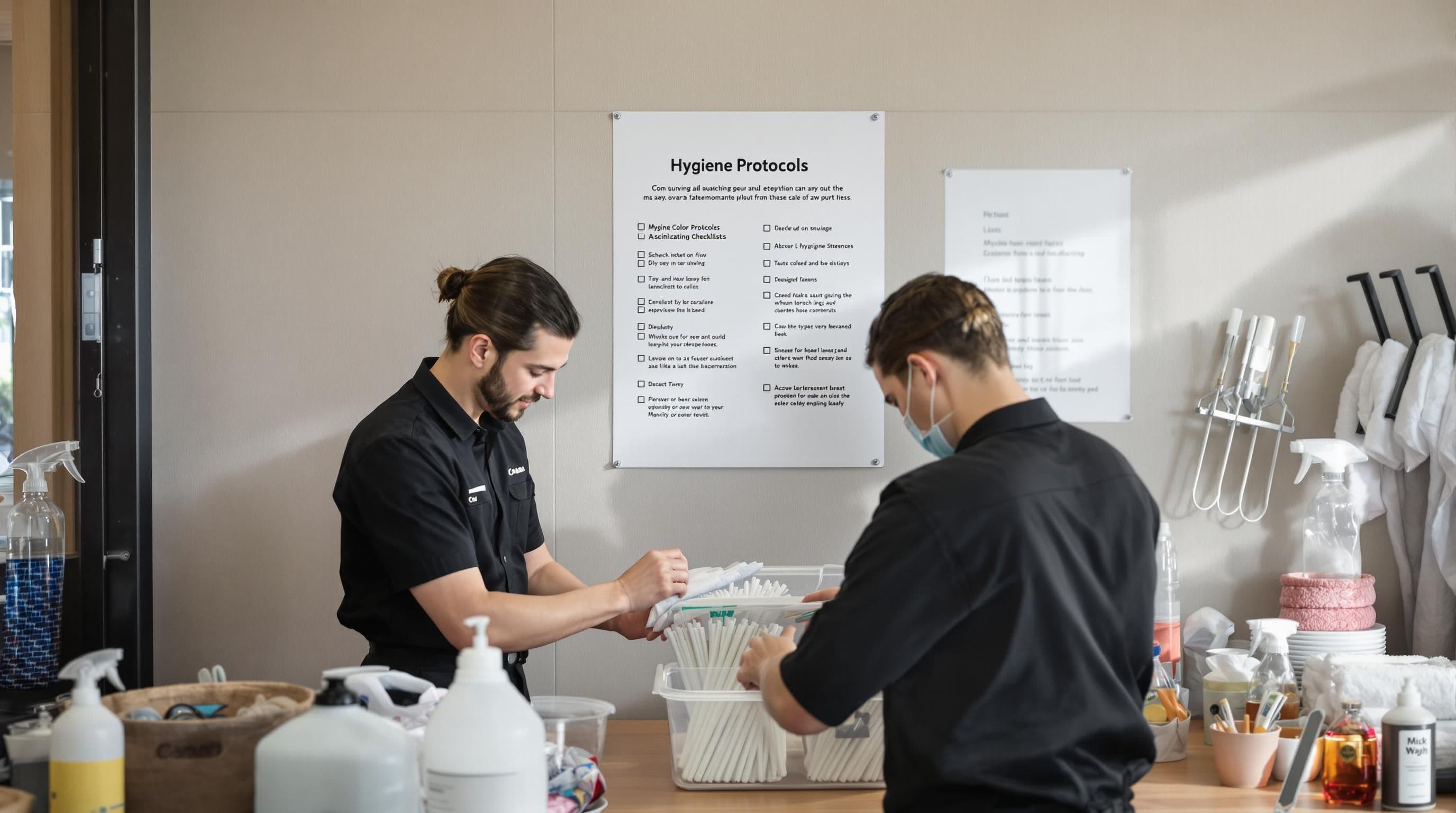
- Surface preparation: Thoroughly clean and disinfect storage areas before introducing new straw inventory
- Chemical management: Use food-safe cleaning agents and store them separately from food items
- Regular inspection: Conduct routine checks to ensure storage conditions meet health standards
Temperature and Environmental Control
The table below presents the critical environmental parameters for straw storage and their recommended standards to prevent contamination and support compliance.
| Parameter | Recommended Standard | Purpose |
|---|---|---|
| Temperature | 50–70°F (10–21°C) | Prevents microbial growth |
| Humidity | Below 15% | Inhibits mold and bacterial contamination |
| Storage Elevation | At least 6 inches off the floor | Prevents pest/bacterial contact, easier cleaning |
| Distance from Walls | 18 inches from outer walls | Improves air flow, avoids pest issues |
| Air Circulation | Ensure proper ventilation | Reduces moisture buildup |
Research from the NCBI’s Ship Sanitation Guide emphasizes the critical importance of controlling storage environments. Temperatures and conditions must not support microbial pathogen growth. This means creating storage spaces that are consistently cool, dry, and free from potential contamination sources.
Critical environmental parameters include:
- Temperature monitoring: Maintain consistent cool temperatures
- Humidity control: Keep moisture levels minimal
- Separation protocols: Prevent cross-contamination by storing straws away from potential hazard sources
Compliance and Documentation
The Food and Environmental Hygiene Department recommends treating single-use items like straws with heightened care. This includes storing them in dust and pest-proof containers and implementing strict documentation processes that track inventory, cleaning schedules, and compliance checks.
Effective compliance strategies involve:
- Detailed record keeping: Maintain comprehensive logs of storage conditions
- Staff training: Educate team members on proper handling and storage protocols
- Regular audits: Conduct frequent internal and external compliance reviews
By implementing these comprehensive hygiene and compliance standards, hotels and restaurants demonstrate their commitment to customer safety. The goal is not just meeting minimum requirements but establishing a culture of excellence that prioritizes health, quality, and operational integrity in every aspect of straw storage and management.
Sustainable Straw Storage for Eco-Friendly Hotels
Sustainability has become a critical consideration for modern hotels and restaurants, transforming how businesses approach straw storage and usage. Creating an eco-friendly approach goes beyond simple storage - it represents a comprehensive commitment to environmental responsibility and reducing waste.
Transitioning to Sustainable Straw Materials
The following table compares different sustainable straw material options, summarizing their properties and special storage considerations.
| Material | Key Properties | Storage Considerations |
|---|---|---|
| Bamboo | Biodegradable, antimicrobial | Store dry, away from moisture |
| Metal | Durable, recyclable | Protective container to prevent scratches |
| Glass | Reusable, easy to sanitize | Use padded containers to avoid breakage |
| Plant-based Compostable | Minimal environmental footprint | Keep in cool, dry place, avoid humidity |
Research on hospitality sustainability indicates that businesses can significantly reduce environmental impact by replacing traditional plastic straws with more sustainable alternatives. This transition requires careful consideration of storage and handling techniques specific to eco-friendly materials.
Sustainable straw material options include:
- Bamboo straws: Biodegradable and naturally antimicrobial
- Metal straws: Durable and infinitely recyclable
- Glass straws: Reusable and easy to sanitize
- Plant-based compostable straws: Designed for minimal environmental footprint
Each material requires specific storage considerations to maintain its integrity and performance. Metal and glass straws need robust, protective containers that prevent scratching or damage, while plant-based straws demand carefully controlled humidity and temperature environments.
Inventory Management and Waste Reduction
Green business benchmarking research highlights the importance of comprehensive waste reduction strategies. Effective straw storage is not just about preservation but about implementing systems that minimize unnecessary consumption and environmental impact.
Key strategies for sustainable inventory management include:
- Precise stock tracking: Monitor straw usage to prevent overstocking
- Bulk purchasing: Reduce packaging waste by ordering sustainable straws in larger quantities
- Rotation systems: Implement first-in-first-out protocols to prevent material degradation
Staff Training and Sustainability Culture
Hospitality training experts emphasize that sustainable practices require more than just equipment - they demand a comprehensive cultural shift. Hotels must develop robust training programs that educate staff about proper sustainable straw storage, handling, and usage.
Training should cover critical aspects such as:
- Proper cleaning techniques for reusable straws
- Storage best practices for different sustainable materials
- Understanding environmental impact of straw choices
- Correct disposal and recycling methods
By integrating sustainable straw storage into broader environmental strategies, hotels can demonstrate leadership in ecological responsibility. This approach not only reduces environmental impact but also appeals to increasingly environmentally conscious travelers who value businesses committed to sustainable practices.
The future of hospitality lies in thoughtful, intentional approaches to resource management - and straw storage represents a small but significant opportunity to make meaningful environmental contributions.
Organizing and Accessing Straws for Staff Efficiency
Efficient straw storage and organization are critical components of smooth hospitality operations. Streamlining access and creating intuitive systems can significantly reduce staff time, minimize errors, and enhance overall service quality.
Strategic Storage Layout Design
Research on hospitality back-of-house planning emphasizes the importance of strategic spatial design. Straw storage areas should be positioned to facilitate easy staff movement, with primary corridors at least 2.5 meters wide to accommodate workflow and equipment movement.
Key design considerations include:
- Proximity to service areas: Position straw storage close to beverage preparation zones
- Clear pathways: Ensure unobstructed access for staff
- Ergonomic placement: Store at comfortable height to minimize physical strain
- Proper lighting: Implement bright, clear illumination for easy identification
Standardized Labeling and Inventory Systems
The table below summarizes key labeling and inventory strategies to improve straw storage organization and staff efficiency.
| Labeling/Inventory Method | Purpose |
|---|---|
| Color-coded containers | Fast identification of different straw types |
| Size & material indicators | Immediate information on straw details |
| Rotation date markers | Ensures inventory freshness |
| Quantity tracking labels | Maintains visibility on stock levels |
Hotel management best practices recommend implementing comprehensive labeling systems. Creating a clear, consistent method for organizing and identifying straw types can dramatically improve retrieval speed and accuracy.
Effective labeling strategies involve:
- Color-coded containers: Differentiate straw types quickly
- Clear size and material indicators: Provide immediate visual information
- Rotation date markers: Track inventory freshness
- Quantity tracking: Implement easy-to-read stock level indicators
Communication and Operational Coordination
Hospitality operational insights highlight the critical role of interdepartmental communication. Establishing clear standard operating procedures for straw management ensures consistent and efficient operations across different service areas.
Recommended coordination techniques include:
- Daily inventory briefings: Regular check-ins about straw stock levels
- Digital tracking systems: Use technology to monitor and predict straw usage
- Cross-training: Ensure multiple staff members understand storage protocols
- Backup supply strategies: Maintain emergency straw reserves
By treating straw storage as a strategic operational element, hotels and restaurants can transform a seemingly mundane task into an opportunity for enhanced efficiency. The goal is creating a system that supports staff performance, reduces waste, and ultimately contributes to a smoother, more professional service environment.
Thoughtful organization is not just about storing straws - it’s about creating a workflow that empowers staff to deliver exceptional customer experiences with minimal friction.
Frequently Asked Questions
How should straws be stored to prevent contamination?
Straws should be stored in airtight, food-safe containers that protect them from moisture and dust. It’s essential to maintain low humidity levels below 15% to prevent mold growth.
What are the ideal environmental conditions for straw storage in hotels and restaurants?
The ideal conditions for straw storage include temperatures between 50-70°F, low humidity below 15%, and adequate air circulation to minimize moisture buildup and prevent microbial growth.
What cleaning protocols are recommended for straw storage areas?
To ensure hygiene, storage areas should be thoroughly cleaned and disinfected before introducing new straws. Regular inspections and the use of food-safe cleaning agents are also crucial for maintaining sanitation standards.
How can staff be trained on proper straw storage practices?
Staff training should include education on hygiene protocols, sustainable practices, inventory management, and proper cleaning techniques for reusable straws. Regular refreshers can help reinforce these practices.
Elevate Your Straw Storage With The Ocean Straw
Is your hotel or restaurant struggling to maintain optimal straw hygiene while meeting modern sustainability goals? The article highlights how improper humidity, poor organization, and unsustainable materials can risk your reputation and customer experience. Guests today expect both safety and eco-responsibility. Only plant-based or compostable straws stored under the right conditions truly support your standards for excellence.
Let your commitment to hygiene and the environment shine by choosing solutions trusted in the HoreCa industry. Experience the difference with our wood and plant-based, compostable straw range. Each product is designed for safe storage, clear inventory management, and easy staff training, all while minimizing your environmental impact. See how The Ocean Straw can help your team avoid contamination, keep supplies in top condition, and impress your most eco-conscious guests. Discover our sustainable straws and make the smarter choice for 2025 by visiting our home page today.