Newsroom
Effective Strategies for Plastic Usage Reduction in Hospitality
Effective Strategies for Plastic Usage Reduction in Hospitality
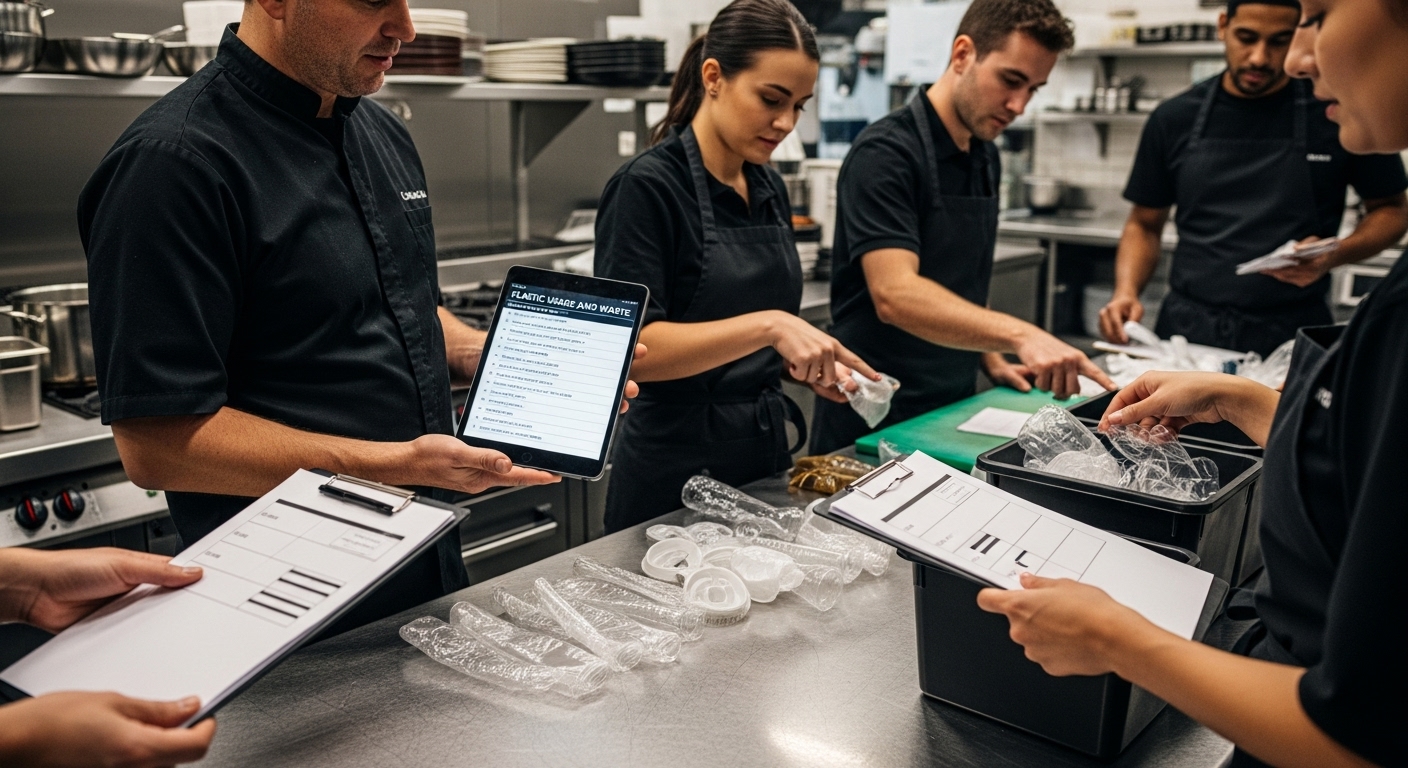
Hotels and restaurants are under pressure to cut down on plastic waste as guests demand greener travel and dining. Get this. A single hotel can use up to 150,000 plastic bottles every year just in guest rooms and conference spaces. The surprise? Most places have no clue about their actual plastic footprint until they track every spoon, straw, and wrapper. What comes next changes everything for hospitality operations and the planet.
Table of Contents
- Step 1: Assess Current Plastic Usage And Waste
- Step 2: Identify Sustainable Alternatives To Plastic
- Step 3: Implement Changes In Procurement Practices
- Step 4: Train Staff On Sustainable Practices
- Step 5: Monitor And Evaluate The Impact Of Reductions
Quick Summary
| Key Point | Explanation |
|---|---|
| 1. Conduct a plastic inventory audit | Track all plastic items used in your establishment, noting quantities and usage frequencies to identify waste sources. |
| 2. Explore sustainable material alternatives | Research and evaluate eco-friendly materials that can replace single-use plastics while maintaining quality and functionality. |
| 3. Redesign procurement practices for sustainability | Establish guidelines that prioritize sustainable materials, ensuring suppliers align with your plastic reduction goals. |
| 4. Develop comprehensive staff training | Create training programs that educate employees on sustainable practices and encourage engagement in plastic reduction efforts. |
| 5. Monitor and evaluate reduction efforts | Implement systems to track progress and adjust strategies based on data, ensuring continuous improvement in plastic waste reduction. |
Step 1: Assess current plastic usage and waste
Reducing plastic usage in hospitality begins with a comprehensive assessment of your current consumption patterns. This critical first step provides the foundation for targeted, effective plastic reduction strategies. Understanding exactly how much and what types of plastic your establishment uses allows you to develop precise interventions that minimize waste and environmental impact.
Start by conducting a thorough plastic inventory audit across all operational areas. This means meticulously tracking plastic items in every department: kitchen, housekeeping, reception, dining areas, conference spaces, and employee facilities. Document every single-use plastic item, from straws and packaging to cleaning supplies and disposable utensils. Create detailed records that capture not just quantities but also frequency of use, replacement rates, and disposal methods.
Utilize standardized tracking tools to capture precise data. Develop a comprehensive spreadsheet or digital tracking system that categorizes plastic items by type, department, weekly consumption, and potential alternatives. Learn more about sustainable alternatives that can replace these items. Pay special attention to high-volume disposable items like food packaging, beverage containers, amenity packaging, and cleaning supply containers.
Engaging your staff is crucial during this assessment phase. Train team members from different departments to participate in the plastic usage documentation process. Encourage them to provide insights about current practices, identify unnecessary plastic consumption, and suggest potential reduction strategies. Staff involvement not only improves data accuracy but also builds organizational commitment to sustainability goals.
Once you have completed the initial audit, analyze the collected data to identify primary sources of plastic waste. Look for patterns such as departments with excessive plastic use, redundant plastic items, or opportunities for immediate reduction. Calculate total plastic consumption by weight and volume, which will help you establish baseline metrics for future improvement tracking.
Successful completion of this assessment means having a comprehensive, detailed report that clearly illustrates your current plastic usage landscape.
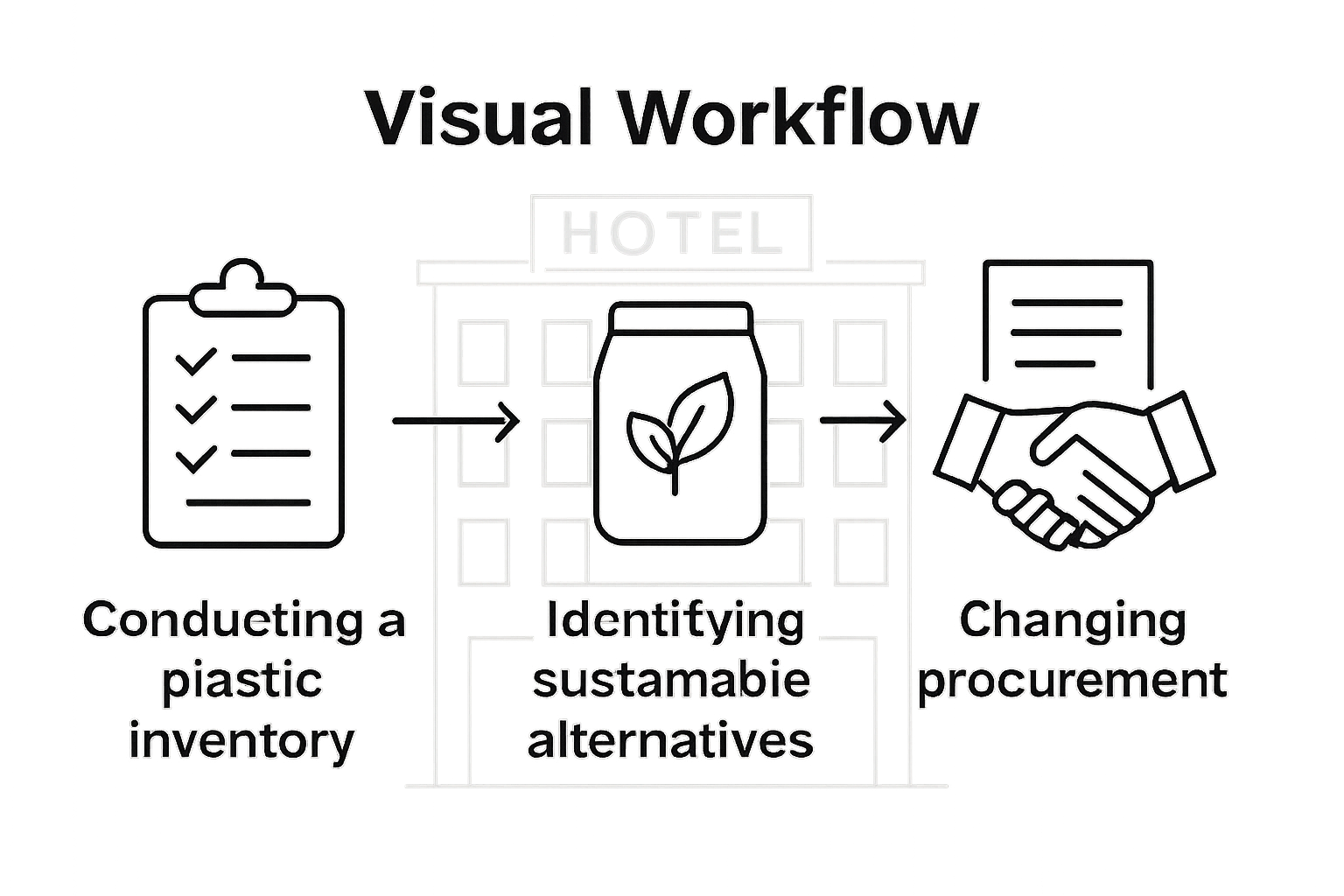 This documentation will serve as a critical reference point for developing targeted reduction strategies in subsequent steps of your plastic minimization journey.
Step 2: Identify sustainable alternatives to plastic
Transitioning from single-use plastics requires a strategic approach to finding sustainable material alternatives that meet your hospitality establishment’s functional and environmental requirements. This step focuses on discovering and evaluating innovative materials that can effectively replace traditional plastic items while maintaining operational efficiency and guest experience standards.
Explore eco-friendly material options that provide practical solutions across different operational areas. Begin by categorizing your plastic items and researching specific sustainable replacements. Natural materials like bamboo, wood, paper, and plant-based composites offer excellent alternatives for food service, amenities, and packaging. For instance, replace plastic straws with biodegradable options, switch disposable food containers to compostable alternatives, and transition single-use amenity packaging to recyclable or refillable formats.
Carefully evaluate potential alternatives by conducting comprehensive assessments that consider multiple factors beyond environmental impact. Analyze the durability, cost-effectiveness, hygiene standards, and overall performance of sustainable materials. Some alternatives might require initial investment but can provide long-term savings through reduced waste management expenses and improved brand reputation. Prioritize materials that are locally sourced, biodegradable, and produced through environmentally responsible manufacturing processes.
Consult with suppliers specializing in sustainable hospitality solutions to understand the latest innovations in eco-friendly materials. Attend industry conferences, network with sustainability experts, and participate in workshops that showcase cutting-edge alternatives to traditional plastics. Many suppliers offer samples and pilot programs that allow you to test materials in your specific operational context before making full-scale transitions.
Implement a systematic testing approach by introducing sustainable alternatives incrementally. Select a specific department or service area to pilot new materials, carefully documenting performance, guest feedback, and operational challenges. This methodical approach allows for adjustments and refinements before implementing changes across your entire establishment. Engage staff members in the evaluation process, encouraging their feedback and suggestions to ensure smooth integration of new sustainable materials.
Successful completion of this step means developing a comprehensive inventory of sustainable plastic alternatives tailored to your specific hospitality environment. Your documentation should include detailed comparisons of potential materials, cost analyses, performance metrics, and recommendations for strategic implementation across different operational areas.
Below is a summary table comparing common sustainable alternatives to single-use plastics mentioned in this article along with key considerations for hospitality settings.
| Plastic Item | Sustainable Alternative | Key Considerations |
|---|---|---|
| Straws | Biodegradable (e.g., paper, bamboo) | Match guest expectations, check durability |
| Food Containers | Compostable or reusable (plant-based, paper) | Maintain hygiene, cost-effectiveness |
| Amenity Packaging | Recyclable, refillable, or compostable | Brand image, reduce single-use waste |
| Cutlery | Wood, bamboo, or compostable materials | Usability, performance in food service |
| Beverage Containers | Refillable glass or aluminum bottles | Operational changes, initial investment |
| Cleaning Supply Containers | Bulk purchasing/refillable systems | Storage, training for use |
Step 3: Implement changes in procurement practices
Transforming your hospitality establishment’s procurement practices is a critical step in achieving meaningful plastic usage reduction. This phase involves redesigning your purchasing strategies to prioritize sustainable materials, create contractual frameworks that support environmental goals, and systematically eliminate single-use plastic dependencies.
Begin by developing comprehensive sustainability procurement guidelines that clearly outline your organization’s commitment to reducing plastic waste. These guidelines should serve as a mandatory framework for all purchasing decisions, establishing specific criteria for selecting suppliers and products. Learn more about sustainable material alternatives that can guide your procurement strategy.
Reach out to current suppliers and communicate your new sustainability objectives transparently. Schedule detailed discussions explaining your plastic reduction goals and invite them to propose environmentally friendly alternatives to their existing product lines. Many suppliers are eager to adapt and may already have sustainable options that they have not previously marketed. Establish clear expectations that future business relationships will depend on their ability to provide eco-conscious solutions.
Implement a robust vendor evaluation process that incorporates sustainability metrics alongside traditional procurement considerations. Create a scoring system that rewards suppliers demonstrating genuine commitment to reducing plastic waste. This might include points for using recyclable packaging, offering products made from alternative materials, or providing transparent documentation about their environmental practices. Consider developing a tiered supplier classification system that incentivizes progressive environmental stewardship.
Develop contractual mechanisms that make sustainability a key performance indicator for suppliers. Include specific clauses that require gradual plastic reduction, mandate reporting on waste management practices, and outline potential consequences for non-compliance.
These contractual frameworks transform sustainability from a voluntary initiative into a binding business requirement.
Establish a continuous review and adaptation process for your procurement practices. Schedule quarterly assessments to evaluate the effectiveness of new purchasing strategies, track progress toward plastic reduction goals, and identify emerging sustainable alternatives. Create feedback loops with department heads, procurement teams, and suppliers to ensure ongoing refinement of your approach.
Successful implementation of procurement changes means having a documented, comprehensive strategy that fundamentally restructures how your hospitality establishment approaches material purchasing. Your new procurement framework should demonstrate a clear, measurable pathway toward significant plastic usage reduction while maintaining operational efficiency and quality standards.
Step 4: Train staff on sustainable practices
Successful plastic usage reduction relies heavily on comprehensive staff training that transforms environmental awareness into actionable workplace behaviors. This critical step involves developing a systematic approach to educating employees about sustainable practices, ensuring they understand not just the what but the why behind plastic reduction initiatives.
Discover strategies for staff engagement that make sustainability training both informative and motivational. Design a multi-tiered training program that goes beyond traditional lecture-style presentations. Develop interactive workshops that demonstrate the direct environmental impact of plastic waste, using visual aids, real-world case studies, and engaging multimedia content that connects individual actions to broader ecological consequences.
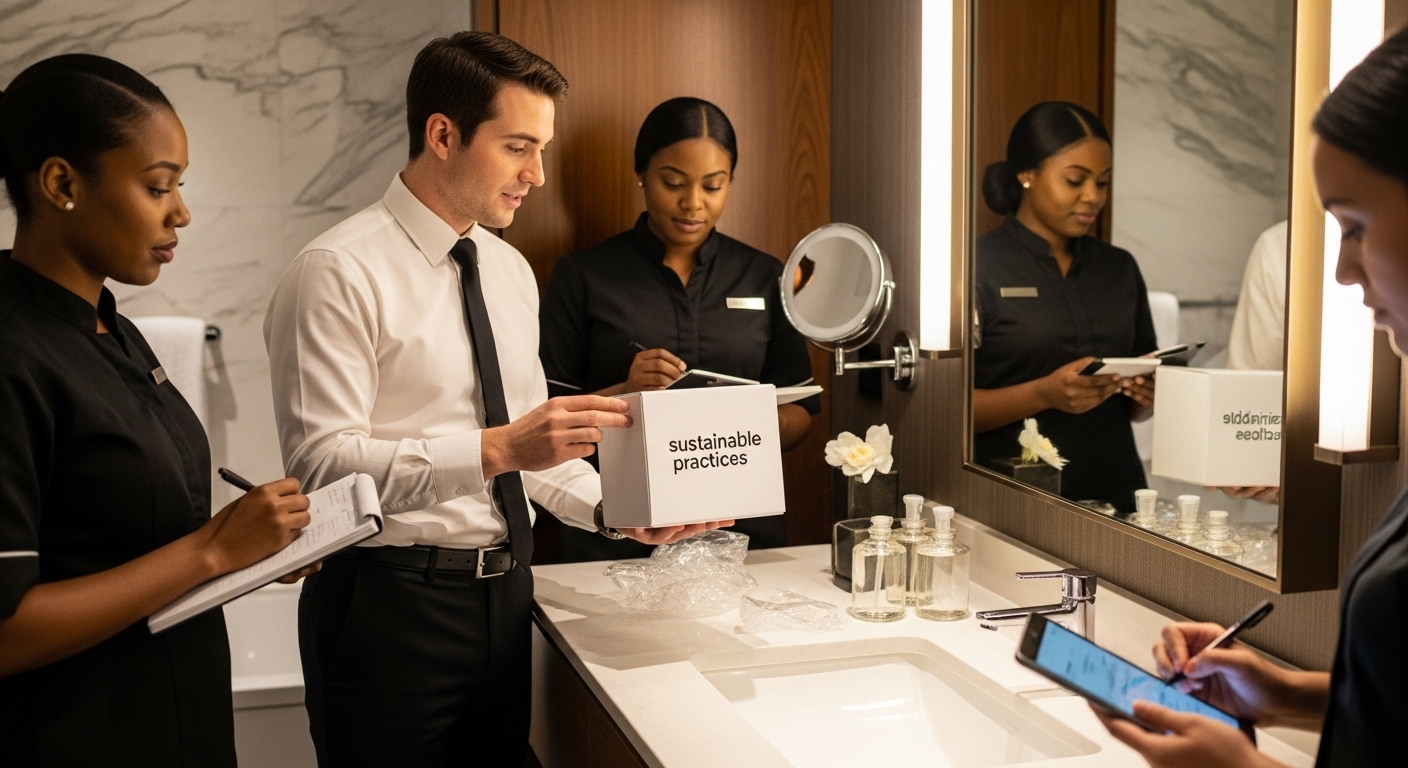
Create role-specific training modules that address the unique plastic reduction challenges in different departments. Kitchen staff might need specialized training on alternative food packaging and storage methods, while housekeeping teams require detailed guidance on sustainable amenity management. Develop practical, hands-on training sessions that provide employees with immediate, actionable skills for implementing plastic reduction strategies in their daily work routines.
Establish a comprehensive knowledge transfer system that ensures consistent understanding across all organizational levels. Implement a train-the-trainer approach where initial sustainability champions can become internal educators, cascading knowledge throughout the organization. Develop clear, concise training materials including illustrated guides, quick reference cards, and digital resources that employees can easily access and reference during their shifts.
Integrate ongoing learning opportunities that keep sustainability practices fresh and engaging. Schedule regular refresher training sessions, create internal communication channels dedicated to sustainability updates, and implement a recognition program that celebrates employees who demonstrate exceptional commitment to plastic reduction goals. Consider developing a gamification approach that turns sustainable practices into positive competitive experiences, offering rewards and recognition for departments or individuals who make significant contributions.
Develop robust verification mechanisms to ensure training effectiveness. Implement practical assessments that test employees’ understanding of sustainable practices, conduct periodic workplace observations to confirm proper implementation, and create feedback loops that allow staff to share insights and challenges encountered during plastic reduction efforts. Successful training means creating a workplace culture where sustainable practices become second nature, with employees feeling empowered and motivated to drive meaningful environmental change.
Here is a checklist table summarizing key verification steps for effective staff training on sustainable practices in hospitality settings.
| Training Verification Step | Description |
|---|---|
| Interactive Workshop Participation | Ensure employees attend hands-on, department-specific workshops |
| Completion of Role-specific Training Modules | Staff complete modules customized to their job functions |
| Practical Assessments Administered | Conduct tests to confirm understanding of processes |
| Access to Quick Reference Materials | Provide illustrated guides and digital resources |
| Feedback Collected From Staff | Gather insights and improvement suggestions post-training |
| Ongoing Refresher Training Scheduled | Set up regular sessions to maintain knowledge |
| Recognition of Sustainable Practice Champions | Celebrate staff who excel in plastic reduction efforts |
Step 5: Monitor and evaluate the impact of reductions
Monitoring and evaluating plastic reduction efforts is the critical final step that transforms strategic intentions into measurable environmental progress. This phase requires a systematic approach to tracking, analyzing, and continuously improving your plastic usage reduction initiatives across your hospitality establishment.
Explore sustainable operational strategies that support comprehensive impact assessment. Develop a robust data collection framework that captures detailed metrics on plastic consumption, waste generation, and reduction progress. Implement digital tracking systems that allow real-time monitoring of plastic usage across different departments, providing granular insights into your establishment’s environmental performance.
Establish clear key performance indicators (KPIs) that provide meaningful measurements of your plastic reduction efforts. These metrics should include total plastic weight reduced, percentage of sustainable alternatives implemented, cost savings from waste reduction, and environmental impact calculations. Create standardized reporting templates that enable consistent tracking and easy comparison across different time periods and operational areas.
Conduct regular waste audits that go beyond simple quantitative measurements. Analyze the composition of remaining plastic waste, identifying persistent sources and potential improvement opportunities. Engage department heads in detailed review sessions, encouraging collaborative problem-solving and innovative approaches to further reduce plastic consumption. Develop a continuous improvement cycle that treats each audit as an opportunity to refine and enhance your plastic reduction strategies.
Implement a comprehensive feedback mechanism that involves both internal stakeholders and external perspectives. Create channels for staff to provide insights about implementation challenges, gather customer feedback on sustainable initiatives, and track broader environmental impact. Consider developing a transparent reporting system that shares your progress with guests, demonstrating your commitment to sustainability and potentially enhancing your establishment’s reputation.
Develop a dynamic adaptation strategy that allows for rapid adjustments based on monitoring results. Establish quarterly review meetings where leadership team members assess the collected data, celebrate successes, address challenges, and recalibrate reduction strategies. Create a culture of continuous learning and improvement that views plastic reduction as an ongoing journey rather than a one-time initiative.
Successful monitoring and evaluation means creating a comprehensive, data-driven approach that transforms plastic reduction from a theoretical concept into a measurable, actionable organizational strategy. Your final documentation should provide clear evidence of progress, identify areas for future improvement, and demonstrate a genuine commitment to sustainable hospitality practices.
Make Your Hospitality Business Stand Out With Real Plastic Reduction
Are you struggling to move from plastic audits to proven solutions that actually work in the hospitality space? This article highlighted how difficult it is to find practical, reliable alternatives that perform well and leave a positive impact. You want sustainable change, but the choices must also meet high standards for hygiene, guest experience, and ease of use. If sourcing the right eco-friendly products or motivating your staff seems overwhelming, you are not alone. The hospitality industry is under more pressure than ever to reduce its plastic waste and show measurable results.
Take action today and discover the difference that truly compostable, wood and plant-based straws can make for your business. The Ocean Straw helps you turn your sustainability goals into daily reality with a range of certified compostable solutions perfect for HoreCa professionals. Explore our eco-friendly straw options and see how switching to better alternatives is easier than ever. Transform your procurement, showcase your commitment, and join hospitality leaders who are setting the standard for responsible service. Visit The Ocean Straw now and be the change your guests want to see.
Frequently Asked Questions
How can I assess my establishment’s current plastic usage?
Start by conducting a detailed plastic inventory audit across all operational areas. Track every single-use plastic item, noting quantities, frequency of use, and disposal methods to understand your consumption patterns thoroughly.
What are some sustainable alternatives to common plastic items in hospitality?
Consider using natural materials like bamboo, wood, paper, and plant-based composites. For instance, replace plastic straws with biodegradable options and use compostable food containers instead of traditional plastic packaging.
How can I effectively train staff on sustainable practices?
Develop a systematic training program that includes interactive workshops, role-specific modules, and ongoing learning opportunities. Use practical assessments and create a knowledge transfer system to ensure consistent understanding across all levels of the organization.
What key performance indicators should I track for plastic reduction?
Track metrics such as total plastic weight reduced, percentage of sustainable alternatives implemented, cost savings from waste reduction, and environmental impact calculations to gauge the success of your plastic reduction efforts.
Recommended
- Understanding Waste Minimization Strategies for Hospitality – The Ocean Straw
- Top Alternatives to Plastic Cutlery for Hotels and Restaurants – The Ocean Straw
- Understanding Innovative Waste Solutions for Hospitality – The Ocean Straw
- Waste Management in Hotels: Best Practices and Solutions – The Ocean Straw