Newsroom
Top Community Sustainability Projects for Hotels and Restaurants 2025

Top Community Sustainability Projects for Hotels and Restaurants 2025
Hotels and restaurants are stepping up with community sustainability projects that make a real difference. Across the industry, programs like ‘Say Goodnight to Hunger’ have donated nearly nine million meals a year. Most people assume this is just good PR or trendy charity. The real surprise is these projects are reshaping business success, turning sustainability into serious cost savings and stronger community ties.
Table of Contents
- Why Community Sustainability Projects Matter
- Choosing The Best Projects For Your Business
- How To Plan And Launch Successful Initiatives
- Measuring Impact And Sharing Success Stories
Quick Summary
| Takeaway | Explanation |
|---|---|
| Community projects enhance local economies. | Engaging in sustainability initiatives revitalizes local economies by creating jobs and promoting economic inclusivity. |
| Select projects that align with business values. | Choose sustainability initiatives that match your core values and can provide genuine benefits to both community and business. |
| Measure impact for continuous improvement. | Developing robust metrics to evaluate sustainability projects helps track their effectiveness and informs future initiatives. |
| Engage stakeholders for inclusive success. | Involving local stakeholders in project planning ensures initiatives address community needs and fosters collaborative efforts. |
| Share success stories to inspire change. | Communicating the impacts of sustainability projects builds trust and can motivate other businesses to implement similar initiatives. |
Why Community Sustainability Projects Matter
Sustainability is no longer a buzzword but a critical strategic imperative for hotels and restaurants seeking meaningful community impact. Community sustainability projects represent a powerful approach to creating positive environmental and social change while simultaneously strengthening business relationships and reputation.
Economic and Social Transformation Through Local Initiatives
Community sustainability projects go far beyond traditional corporate social responsibility. Research from the International Journal of Environmental Research and Public Health reveals these initiatives contribute significantly to local well-being by facilitating community engagement and promoting economic inclusivity. By investing in local ecosystems, hotels and restaurants can create tangible benefits that extend well beyond their immediate business interests.
These projects represent a holistic approach to sustainable development. When businesses commit resources to local environmental and social improvements, they generate multiple layers of positive outcomes. Local job creation, skill development, and economic empowerment become natural byproducts of thoughtful community sustainability strategies.
Environmental Impact and Community Resilience
Sustainability projects serve as critical mechanisms for building community resilience against environmental challenges. Hotels and restaurants can play a transformative role by implementing programs that address local ecological concerns, reduce waste, and promote sustainable practices. This approach not only mitigates environmental risks but also educates and empowers community members to adopt more sustainable lifestyles.
Moreover, these initiatives create powerful narrative opportunities. When businesses demonstrate genuine commitment to community well-being, they build trust, enhance brand reputation, and differentiate themselves in increasingly competitive markets. Customers increasingly seek out businesses that demonstrate authentic social and environmental responsibility.
Strategic Benefits for Businesses
Implementing community sustainability projects is not just altruistic but strategically smart. These initiatives can lead to significant operational improvements, cost savings, and enhanced community relationships. By engaging local stakeholders, businesses gain deeper insights into community needs, potential innovation opportunities, and sustainable solutions that can drive long-term success.
Effective community sustainability projects require genuine commitment, strategic planning, and collaborative approaches. They demand more than superficial gestures and instead require deep, meaningful engagement with local ecosystems, environmental challenges, and social dynamics.
For hotels and restaurants, the message is clear: sustainability is no longer optional. It is a fundamental business strategy that connects economic success with positive social and environmental impact. By embracing community sustainability projects, businesses can create meaningful change while positioning themselves as forward-thinking, responsible leaders in their industries.
Choosing the Best Projects for Your Business
Selecting the right community sustainability projects requires strategic thinking and a deep understanding of your business goals and local community needs. Not all sustainability initiatives are created equal, and the most successful projects align closely with a business’s core values, operational capabilities, and community context.
Assessing Local Community Needs and Opportunities
Effective sustainability projects start with comprehensive community assessment. Research from SafetyCulture highlights the importance of strategic approaches like establishing recycling programs, partnering with food banks, and implementing energy-efficient systems. These initiatives demonstrate a nuanced understanding of both environmental impact and community welfare.
The key is to identify projects that create mutual value. This means looking beyond simple philanthropy and finding sustainability initiatives that genuinely address local challenges while also providing tangible benefits to your business. Consider conducting community surveys, engaging with local stakeholders, and analyzing environmental and social data to pinpoint the most impactful opportunities.
Strategic Implementation of Sustainable Practices
Research from the Restaurant HQ provides an inspiring example through the Proximity Hotel’s Print Works Bistro. By reducing energy use by 41% and water consumption by 33%, and installing 100 rooftop solar panels, they achieved a Platinum LEED rating while significantly improving their environmental performance.
Successful implementation involves a multi-faceted approach. This might include:
- Energy Efficiency: Installing smart thermostats and motion sensors
- Renewable Energy: Investing in solar panels or other clean energy sources
- Waste Reduction: Creating comprehensive recycling and composting programs
- Community Engagement: Developing food donation programs with local charities
Below is a summary table highlighting examples of impactful community sustainability practices discussed in the article and their notable outcomes.
| Initiative/Project | Action/Feature | Notable Outcome |
|---|---|---|
| Proximity Hotel’s Print Works Bistro | Energy reduction, 100 solar panels, LEED cert | 41% less energy, 33% less water, Platinum LEED |
| Recycling Programs | Waste reduction, strategic partnerships | Improved community welfare, less landfill waste |
| Food Bank Partnerships | Food donation, local engagement | Reduced food waste, aid for local communities |
| Smart Thermostats & Motion Sensors | Enhanced energy efficiency | Lower energy costs and carbon footprint |
| Community Engagement via Local Charities | Donations, volunteer projects | Strengthened community ties and business value |
Measuring Impact and Creating Long-Term Value
Choosing the right sustainability projects is not a one-time decision but an ongoing process of evaluation and adaptation. Businesses must develop robust metrics to track the impact of their initiatives. This includes measuring environmental outcomes, community engagement levels, and potential cost savings or revenue generation.
Successful community sustainability projects should demonstrate clear value across multiple dimensions. They should reduce environmental footprint, enhance community relationships, improve operational efficiency, and potentially create new business opportunities. By approaching sustainability as a strategic investment rather than a compliance exercise, hotels and restaurants can transform these projects into powerful drivers of innovation and growth.
Ultimately, the most effective sustainability projects are those that seamlessly integrate environmental responsibility with business strategy. They require commitment, creativity, and a genuine desire to create positive change. By carefully selecting and implementing community sustainability projects, businesses can build stronger, more resilient operations that benefit both their bottom line and the communities they serve.
How to Plan and Launch Successful Initiatives
Planning and launching community sustainability projects requires a strategic, methodical approach that transforms vision into actionable, impactful initiatives. Success depends on careful preparation, collaborative planning, and a comprehensive understanding of both organizational capabilities and community needs.
Building a Strong Foundation for Sustainability Projects
The first critical step in developing successful community sustainability projects involves creating a robust strategic framework. According to the Hong Kong Hotels Association’s sustainability initiative, comprehensive guidance is essential for hotel operators seeking to reduce environmental impact and enhance operational efficiency.
Key preparatory steps include conducting thorough organizational assessments, identifying internal strengths and potential resource constraints, and establishing clear, measurable objectives. Businesses must align sustainability initiatives with their core values, operational capabilities, and long-term strategic goals. This alignment ensures that projects are not just peripheral activities but integral components of the organization’s overall mission.
Stakeholder Engagement and Collaborative Planning
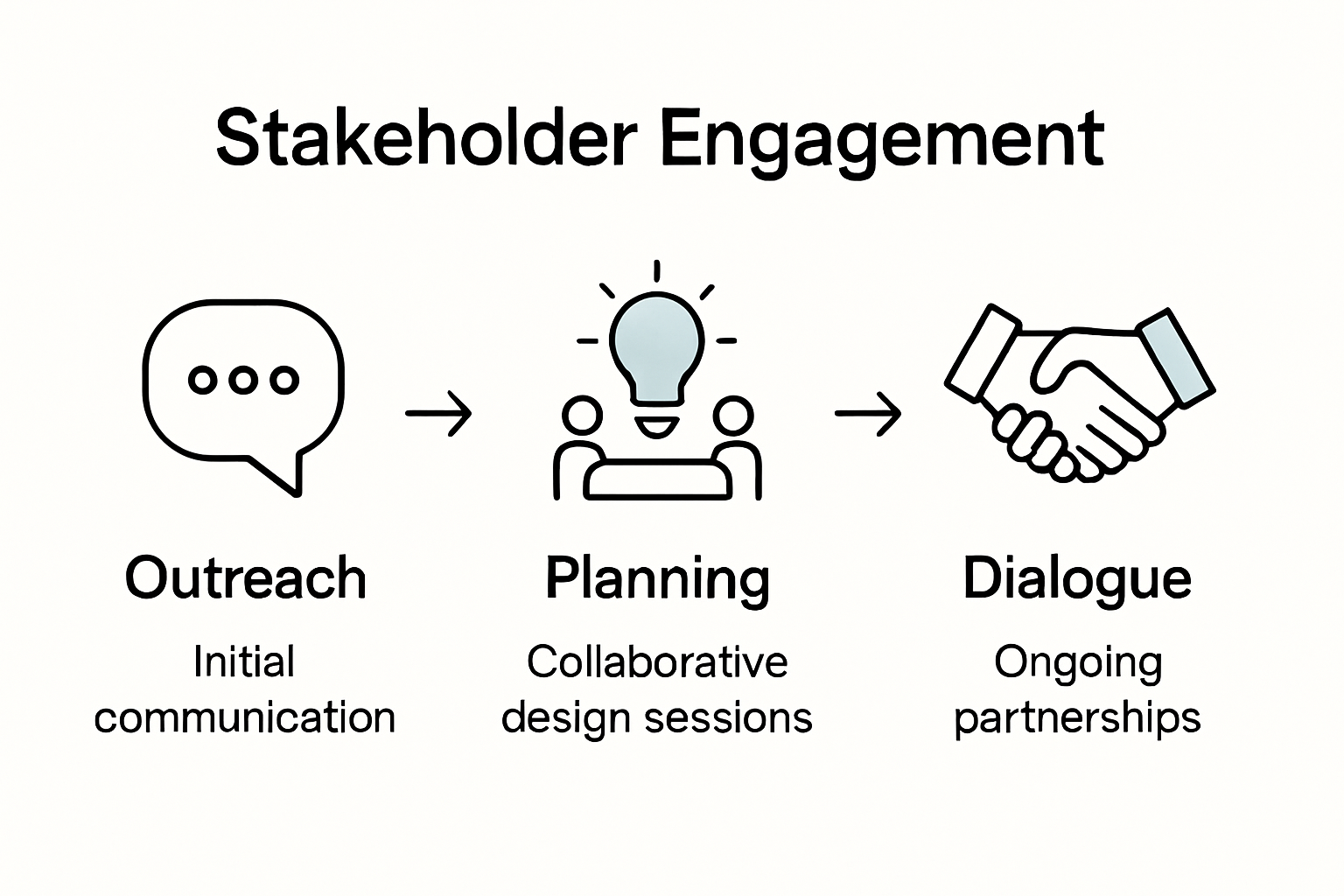 Successful sustainability projects demand extensive stakeholder engagement. This means creating inclusive planning processes that involve multiple perspectives from employees, local community members, environmental experts, and potential partner organizations. The goal is to develop initiatives that are not only technically sound but also deeply resonant with community needs and expectations.
Effective stakeholder engagement involves:
- Transparent Communication: Openly sharing project goals and potential impacts
- Active Listening: Gathering insights and feedback from community representatives
- Collaborative Design: Developing projects through participatory approaches
- Ongoing Dialogue: Maintaining continuous communication throughout project implementation
Below is a process table outlining the key steps for planning and implementing successful community sustainability projects as described in the article.
| Step | Description |
|---|---|
| Organizational Assessment | Identify strengths, constraints, and set measurable objectives |
| Stakeholder Engagement | Involve employees, community, experts, and partners in planning |
| Collaborative Design | Develop projects using input from all stakeholders |
| Resource Allocation | Ensure necessary financial and human resources are committed |
| Implementation | Carry out initiatives according to the project roadmap |
| Performance Evaluation | Monitor, assess, and refine based on performance metrics |
Implementation and Continuous Improvement
Launching a sustainability project is just the beginning. Successful initiatives require robust implementation strategies, comprehensive monitoring mechanisms, and a commitment to continuous improvement. This means establishing clear performance metrics, creating accountability systems, and remaining flexible enough to adapt as project dynamics evolve.
Key implementation considerations include:
- Detailed Project Roadmaps: Creating comprehensive implementation plans
- Resource Allocation: Ensuring adequate financial and human resources
- Training and Capacity Building: Preparing team members for project execution
- Regular Performance Evaluation: Implementing rigorous monitoring and assessment protocols
Sustainability projects are not static endeavors but dynamic, evolving initiatives that require ongoing commitment and refinement. By approaching these projects with strategic intentionality, collaborative spirit, and a genuine commitment to creating positive change, hotels and restaurants can develop transformative community sustainability programs that generate meaningful environmental and social impact.
Ultimately, successful sustainability initiatives are those that seamlessly integrate organizational objectives with community needs, creating a synergistic approach that benefits all stakeholders. They demand creativity, persistence, and a holistic understanding of the complex interactions between business operations and broader social ecosystems.
Measuring Impact and Sharing Success Stories
Measuring the impact of community sustainability projects is crucial for understanding their effectiveness, demonstrating value, and creating compelling narratives that inspire further action. By developing robust measurement strategies and sharing authentic success stories, hotels and restaurants can transform their sustainability efforts into powerful communication tools.
Developing Comprehensive Impact Measurement Frameworks
Research from the Sustainability journal highlights the importance of sophisticated impact tracking. The Hotel Revival in Baltimore implemented an Impact Tracker designed by Georgetown University’s Beeck Center for Social Impact and Innovation, which assesses multiple metrics including procurement spending, family stability, talent acquisition, sales, and earned media.
Effective impact measurement goes beyond traditional environmental metrics. It requires a holistic approach that captures social, economic, and environmental dimensions of sustainability initiatives. This means developing nuanced frameworks that can quantify both tangible and intangible outcomes of community projects.
Innovative Approaches to Impact Reporting
According to Hospitality Insights, Omni Hotels and Resorts have created an exemplary model with their ‘Say Goodnight to Hunger’ program. By donating one meal for every booking through Feeding America, they have provided nearly nine million meals annually. This approach demonstrates how businesses can create measurable, scalable impact that resonates with customers and stakeholders.
Key strategies for innovative impact reporting include:
- Transparent Metrics: Clearly documenting and sharing project outcomes
- Storytelling: Converting data into compelling narratives
- Visual Communication: Using infographics and interactive platforms to showcase impact
- Stakeholder Engagement: Involving community members in impact assessment
Translating Impact into Business Value
Research from Green Globe illustrates the direct business benefits of sustainability initiatives. The Courtyard by Marriott San Diego, part of Hersha Hospitality Trust, reduced greenhouse gas emissions by 41% per square foot and energy usage by 15%. These efforts resulted in over $14 million in cumulative savings and improved EBITDA margins.
Below is a statistics table summarizing key impact results from hotel and restaurant community sustainability projects mentioned in the article.
| Project/Program | Quantitative Impact | Business/Community Result |
|---|---|---|
| ‘Say Goodnight to Hunger’ (Omni Hotels) | ~9 million meals donated annually | Strengthened brand/community relationships |
| Print Works Bistro (Proximity Hotel) | 41% less energy, 33% less water, 100 solar panels | Platinum LEED certification, cost savings |
| Courtyard by Marriott SD (Hersha Trust) | 41% less GHG/sq ft, 15% less energy, $14M+ saved | Improved margins, lower emissions |
| Hotel Revival Impact Tracker | Tracks procurement, talent, family stability | Holistic view of community impact |
Successful impact measurement involves more than documenting environmental improvements. It requires connecting sustainability efforts to core business metrics such as operational efficiency, cost savings, brand reputation, and customer loyalty. By demonstrating the tangible economic benefits of community sustainability projects, businesses can build stronger internal and external support for these initiatives.
Sharing success stories is not about self-promotion but about creating genuine connections. The most powerful narratives highlight collaborative efforts, community transformations, and the collective impact of sustainability initiatives. They showcase how individual projects contribute to broader systemic changes and inspire others to take meaningful action.
Ultimately, measuring and sharing impact transforms community sustainability projects from isolated initiatives into powerful movements. By developing rigorous measurement frameworks, telling authentic stories, and demonstrating clear business value, hotels and restaurants can inspire industry-wide change and create meaningful, lasting impact in their communities.
Frequently Asked Questions
What are community sustainability projects for hotels and restaurants?
Community sustainability projects are initiatives that hotels and restaurants implement to create positive environmental and social change within their local communities. These projects can involve local engagement, ecological conservation, and economic development strategies.
How do community sustainability projects benefit businesses?
These projects not only enhance the local community but also provide strategic benefits to businesses, such as cost savings, improved brand reputation, and stronger relationships with local stakeholders. They can lead to operational efficiencies and innovative solutions that drive long-term success.
How can hotels and restaurants choose the right sustainability projects?
Hotels and restaurants should assess local community needs and opportunities, align projects with their core values, and focus on initiatives that provide mutual benefit to the business and community. Engaging with local stakeholders can also yield valuable insights for project selection.
Why is measuring the impact of sustainability initiatives important?
Measuring the impact is crucial for evaluating the effectiveness of sustainability projects and demonstrating their value to both the community and the business. Robust metrics help track outcomes, guide continuous improvement, and provide compelling stories that inspire further action.
Move Your Sustainability Projects From Plan to Practice With Compostable Straws
Hotels and restaurants want to make a real impact, not just tick the sustainability box. But as highlighted in this article, many businesses struggle to find solutions that are both practical and visible to their guests. Reducing single-use plastic waste and enhancing your reputation for community-centered sustainability are pressing goals for every food and hospitality operation. Compostable, plant-based straws are a simple but powerful way to show you care about the environment and local community in a way everyone can see.
Ready to create measurable impact and support your community sustainability initiatives right in the hands of every customer? Choose wood and plant based straws from The Ocean Straw for every drink you serve. Take action now to reduce your environmental footprint and turn every beverage into proof of your commitment. Explore our eco-friendly options and start making a difference today at The Ocean Straw website.
Recommended
-
[
Hotellmagasinet – TOS Norway AS -
[
Why The Ocean Straw Group Is Built for Hospitality – Not Just a Niche -
[
Behind the Scenes: Expanding to Sweden, Dubai, and Across Europe – The Ocean Straw -
[
Introducing The Ocean Cup: The Sustainable Reusable Cup Changing HoReC – The Ocean Straw -
Top Green Building Certifications for Construction in 2025 - Sterling Access
-
La Verne Community Initiatives for Sustainability You Need To Know